Summary:
Your deck sits empty half the year. Summer humidity drives you inside by noon. Spring rain cancels outdoor plans. Winter turns your patio furniture into expensive lawn decorations.
You want more from your outdoor space, but here’s where it gets confusing: screen room vs sunroom—which one actually makes sense for Nassau County weather? The answer depends on how many months you plan to use that space and how much weather you’re willing to deal with.
Let’s skip the sales pitch and talk about what each option really delivers when Long Island’s climate gets involved.
Understanding Screen Room vs Sunroom Construction Differences
The difference between a screen room and glass sunroom isn’t just materials. It’s how much weather penetrates your space.
Screen rooms use mesh panels instead of solid walls. You get airflow, bug protection, and a roof overhead. Think of it as your patio with shields against mosquitoes and direct sun. Weather still reaches you—just the worst annoyances stay out.
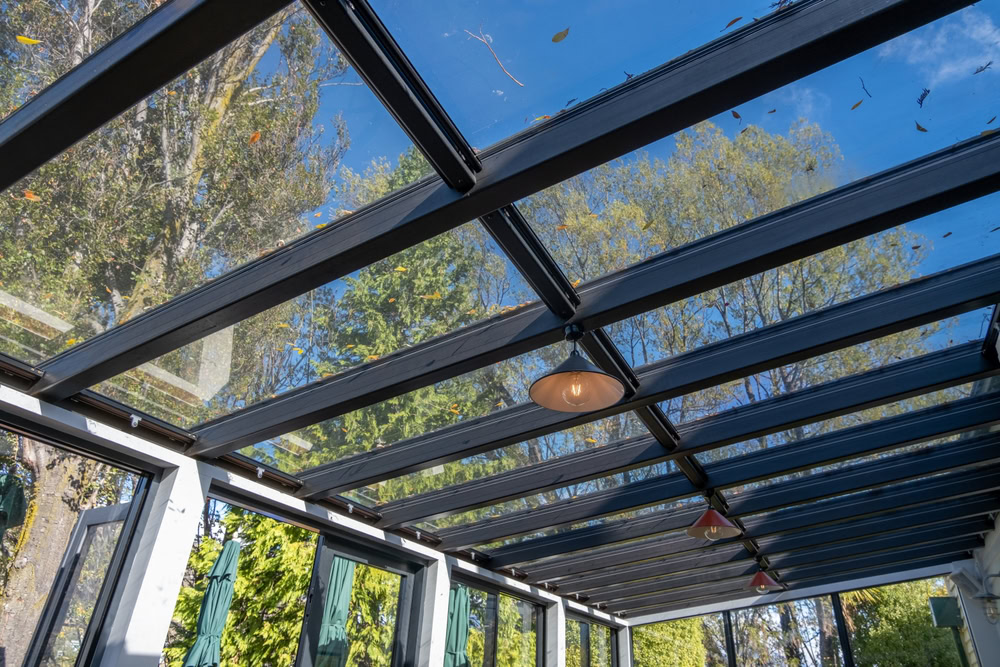
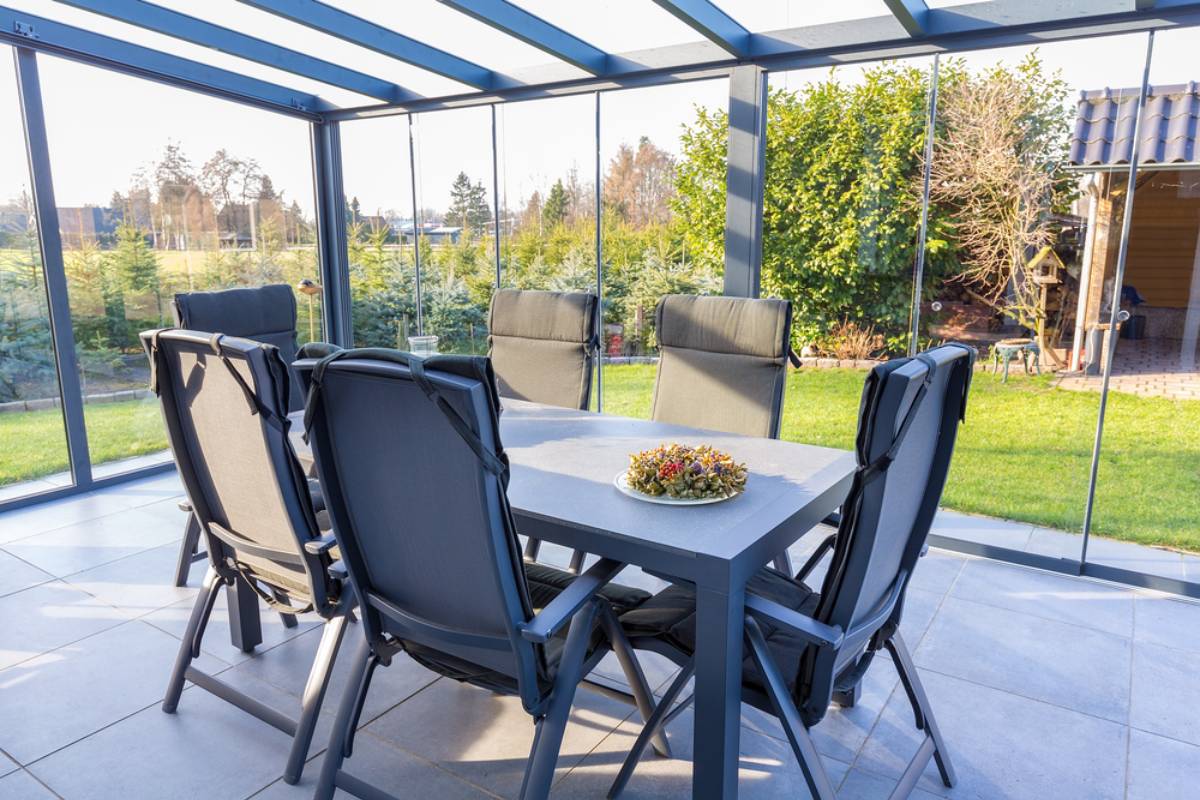
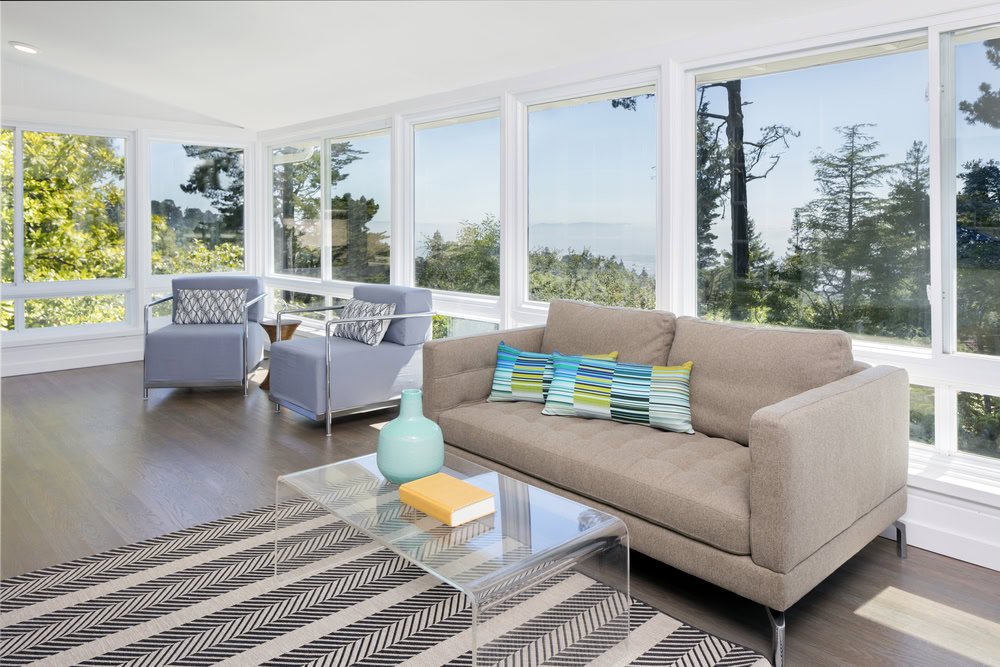
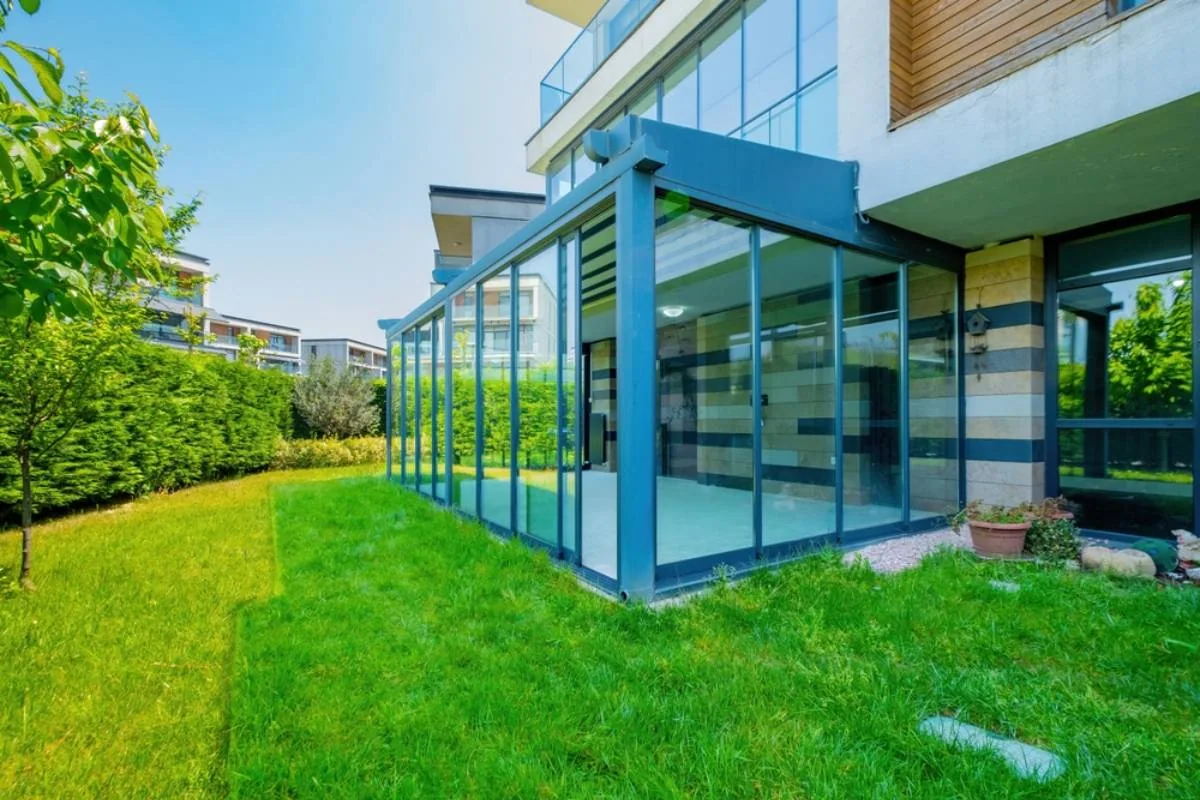
Glass sunrooms seal you off completely. Insulated glass walls, solid construction, optional HVAC integration. You’re building a legitimate room addition that happens to have exceptional views. Rain, wind, temperature extremes—none of it affects your comfort.
How Nassau County's Coastal Climate Affects Each Option
Let’s be realistic about Long Island weather. You’re dealing with humid summers, cold winters, coastal wind, and conditions that shift faster than traffic on the LIE.
Screen rooms work beautifully from late April through October. Those mild spring evenings and crisp fall afternoons when you want fresh air without bugs. But when summer humidity hits 90% and you’re sweating through your shirt just sitting still, mesh screens aren’t providing relief. When November arrives and temperatures drop into the 40s, your screen room becomes a three-season investment sitting empty for months.
Glass sunrooms handle Nassau County’s mood swings differently. July heat wave? Close the windows, run the AC, enjoy your coffee in climate-controlled comfort while natural light floods the space. February cold snap? Same room, now heated and protecting you from wind chill that makes 30 degrees feel like 15. Rain doesn’t sneak through screens. Pollen doesn’t coat your furniture overnight. Wind-driven coastal weather stays outside where it belongs.
The coastal location creates specific challenges. If you’re anywhere near the water, you know rain doesn’t fall straight down—it comes sideways. Screen mesh stops bugs but doesn’t stop weather. Water gets through. Your cushions get damp. You’re constantly wiping surfaces. Glass stops all of it.
Nassau County also sees temperature swings that make seasonal planning tricky. A beautiful 65-degree October afternoon can drop to 45 by evening. Screen rooms don’t buffer that temperature change. You’re feeling it. Glass sunrooms maintain stable temperatures regardless of what’s happening outside.
Here’s the real question: how many comfortable months do you need from this investment? Six to seven months with some weather limitations? Screen rooms deliver solid value. Twelve months of usable space regardless of forecast? Glass makes more sense. Think about how you actually live, not how you imagine you might use the space.
Screen Room or Sunroom: Breaking Down the Cost Reality
Money matters, so let’s talk numbers without the sales fluff.
Screen rooms typically run $8,000 to $30,000 depending on size, materials, and whether you’re enclosing existing patio space or building from scratch. Construction is simpler—aluminum framing, mesh panels, basic roofing. Less material, less labor, lower price tag. If you’re working with a tighter budget but still want protected outdoor living space, this is your entry point.
Glass sunrooms land in a different bracket. Most projects cost $20,000 to $75,000, with averages around $47,000. Four-season rooms with full insulation and HVAC integration can push higher. Why the jump? You’re essentially building a room addition. Insulated glass, proper foundations, electrical work, potentially extending heating and cooling systems. More complexity means more permits, more labor, longer timelines.
But upfront cost doesn’t tell the complete story. Screen rooms can actually cost more per month of actual use. A $20,000 screen room that sits empty five months a year? You’re paying for square footage you can’t use. A $45,000 glass sunroom used 365 days spreads that investment across genuine year-round living space.
Resale value shifts the math too. Sunroom additions typically recoup 49% to 70% of their cost when you sell. In Nassau County’s competitive market where homes sell for 101.3% of asking price and move within 25 days, year-round living space can separate your listing from others. Screen rooms add value—just not at the same level because buyers recognize seasonal limitations.
Energy costs factor in differently than most people expect. Screen rooms don’t increase utility bills because you’re not heating or cooling them. Glass sunrooms do add some load to your HVAC system, but modern insulated glass and proper construction minimize the impact. Many homeowners find the monthly increase negligible compared to the year-round usability gain.
Maintenance costs over time matter too. Screens tear and need replacement every few years, especially with kids or pets. Glass doesn’t. Impact-resistant glass handles hail, wind-blown debris, and storms without damage. Long-term, glass often costs less to maintain than screens despite the higher initial investment.
Think about your timeline. Staying in your home for years and want maximum enjoyment? Glass delivers more usable months. Budget-conscious and primarily want summer entertaining space? Screen rooms offer better initial affordability without overspending on features you won’t use half the year.
Screened Porch vs Sunroom: Year-Round Usability Comparison
Let’s get specific about what “year-round use” actually means when Nassau County weather gets involved.
Screened porches shine during mild weather. Spring mornings at 65 degrees with a breeze. Summer evenings after heat breaks. Fall afternoons when humidity finally drops. You’re getting fresh air, natural ventilation, bug protection. It feels like outdoor living because it is—just with a roof and screens between you and the elements.
Glass sunrooms work regardless of what the weather forecast says. They’re climate-controlled spaces functioning like any other room in your home, except with better views and more natural light. Comfortable at 20 degrees outside or 95 degrees. Rain doesn’t matter. Wind doesn’t matter. Snow doesn’t matter. You’re using that space.
Glass vs Screen Enclosure: Weather Protection Performance
Glass sunrooms don’t just block weather—they eliminate it as a factor in how you use your space.
Rain protection is the obvious difference. Screen mesh keeps out direct rainfall, but wind-driven rain coming sideways? That’s getting through. Furniture gets damp. You’re constantly wiping surfaces. Can’t use the space during storms. Glass walls stop all of it. Sit there during a downpour and stay completely dry while watching the storm. No wet cushions. No puddles on the floor. No wondering if you should bring everything inside.
Temperature control is where glass really separates from screens. High-efficiency windows minimize heat transfer. Summer doesn’t turn the room into a greenhouse. Winter doesn’t mean losing heat through open mesh. Many Nassau County homeowners tie sunrooms into existing HVAC systems. Others use mini-splits or space heaters. Either way, you’re controlling climate instead of hoping weather cooperates.
Wind protection matters more than people realize, especially near the coast. A screened porch in November when wind is gusting 25 mph? Uncomfortable. You’re feeling every bit of that chill. Glass blocks wind completely. Temperature inside stays stable regardless of what’s happening outside. You’re reading a book in comfort while wind rattles the glass.
Pollen is a bigger deal than most people think when comparing glass vs screen enclosure options. If anyone in your family deals with allergies, this isn’t minor. Screen mesh doesn’t filter pollen—it lets it straight through. Come spring, your screen room furniture gets coated yellow-green overnight. You’re sneezing. Eyes watering. Glass keeps pollen out entirely. You get to enjoy spring without constant allergy symptoms.
Insulated glass provides noise reduction too. Live near a busy road? Neighbors love their leaf blowers? Glass sunroom gives you a quieter space. Screen rooms don’t buffer sound at all—you’re hearing everything at full volume.
Durability factors in over time. Screens tear. Kids run into them. Pets scratch them. Weather degrades them. You’re replacing screens every few years. Glass doesn’t tear. Impact-resistant glass handles hail, flying debris during storms, even baseballs from the yard. Maintenance is simpler—occasional window cleaning versus constant screen repairs and replacements.
The protection extends to your furniture and belongings too. Outdoor-rated furniture in a screen room still faces weather exposure—UV damage, moisture, temperature swings. Indoor furniture in a glass sunroom? Protected like any other room in your house. You can use regular furniture, rugs, electronics. Screen rooms limit what you can put in the space without risking weather damage.
When Screen Rooms Make More Sense: Airflow and Outdoor Connection
Screen rooms aren’t the budget compromise—they’re the right choice for specific priorities and lifestyles.
Fresh air is the primary advantage. There’s no substitute for actual outdoor airflow moving through your space. Glass sunrooms can have windows that open, but it’s not the same as a screen room where air flows freely through the entire enclosure. If you love that outdoor feeling—the breeze, the sounds of your yard, birds singing, leaves rustling—screens deliver it better than glass ever will. You’re outside, just without bugs and direct sun.
Installation speed and simplicity matter when you want minimal disruption. Most screen room projects take days or a couple weeks, not months. Less foundation work, fewer permits, simpler construction. If you need your space usable quickly and don’t want major construction taking over your property for extended periods, screens have a clear advantage. You’re enjoying your new space while glass sunroom projects are still getting permits approved.
Lower ongoing costs add up over years of ownership. You’re not running AC or heat to keep a screen room comfortable. No added load on your HVAC system. No increase in monthly utility bills. During months when weather is mild enough to use it, a screen room costs almost nothing to operate. That matters if you’re conscious about energy consumption or trying to keep monthly expenses predictable.
The aesthetic some people prefer is more casual and open. Screen rooms feel like outdoor spaces because they are outdoor spaces. If you’re looking for a spot to have morning coffee while listening to birds, host casual summer dinners where conversation flows naturally, or create a play area for kids that’s protected but still feels like being outside, screens nail that vibe. Glass sunrooms feel more like interior rooms with exceptional views—which is great, but different.
Flexibility for future changes is another consideration. Some screen rooms can be converted to glass sunrooms later if your needs or budget change. You’re not locked into one option forever. Starting with screens and upgrading down the road spreads investment over time and lets you test how you actually use the space before committing to a full glass enclosure. That’s smart planning if you’re unsure about long-term needs.
For Nassau County homeowners who primarily want bug-free outdoor entertaining during warm months and are fine moving indoors when weather gets extreme, screen rooms deliver exactly what’s needed without overspending on year-round features you won’t use. If your outdoor season runs April through October and you’re comfortable with that limitation, screens offer better value than paying for climate control you don’t need.
Making the Right Screen Room vs Sunroom Decision for Nassau County
The right choice isn’t about which option is objectively “better.” It’s about which one matches how you actually live and what you need from your outdoor space.
Choose a screen room if you want affordable outdoor living space for mild-weather months, value fresh air and that genuine outdoor connection, and don’t mind retreating indoors when Nassau County weather gets extreme. Choose a glass sunroom if you want year-round usability regardless of forecast, are willing to invest more upfront for long-term value and daily use, and prefer climate-controlled comfort with complete weather protection.
Both options add value to your Nassau County, NY home. Both extend your living space. The difference is in how many months you’ll actually use that space and how much weather protection matters to your daily comfort and lifestyle.
We’ve been helping Nassau County homeowners navigate this decision for nearly 50 years. We handle the permits, the planning, the installation—whether you’re going with screens, glass, or something in between that fits your specific needs.