Summary:
You’ve been thinking about extending your outdoor living season. Maybe you want a space where you can enjoy your backyard without fighting mosquitoes in July or freezing in October. The question is whether to build a traditional sunroom or invest in one of those newer LifeRoom systems you’ve been hearing about.
Both add usable square footage. Both connect you to the outdoors. But they work completely differently, cost differently, and deliver different experiences throughout the year.
Here’s what you actually need to know about how LifeRoom technology compares to traditional sunrooms—and which one makes sense for how you live.
What Makes LifeRoom Systems Different from Traditional Sunrooms
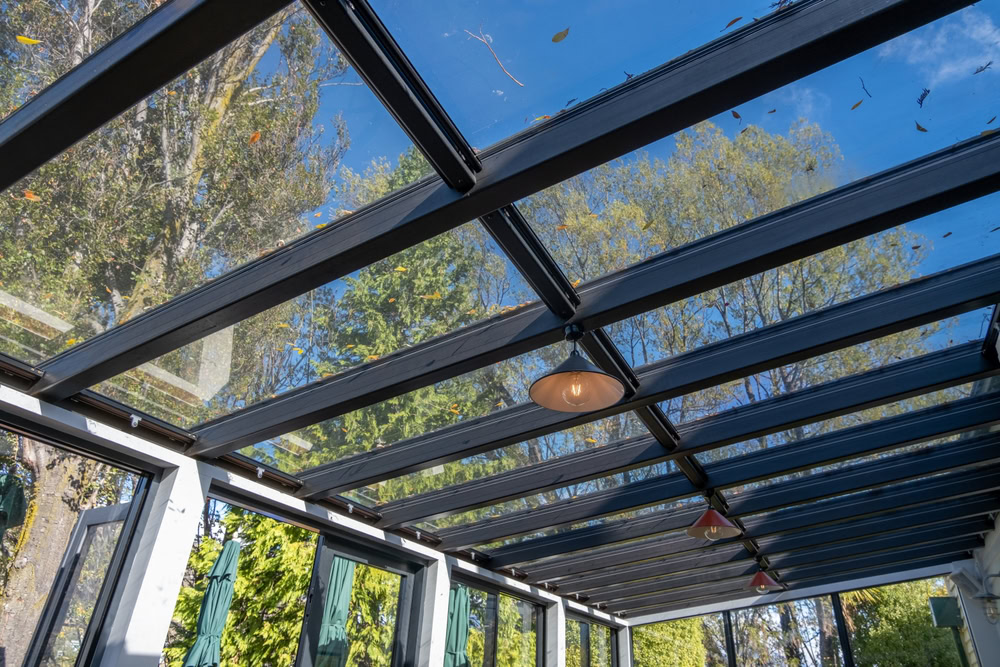
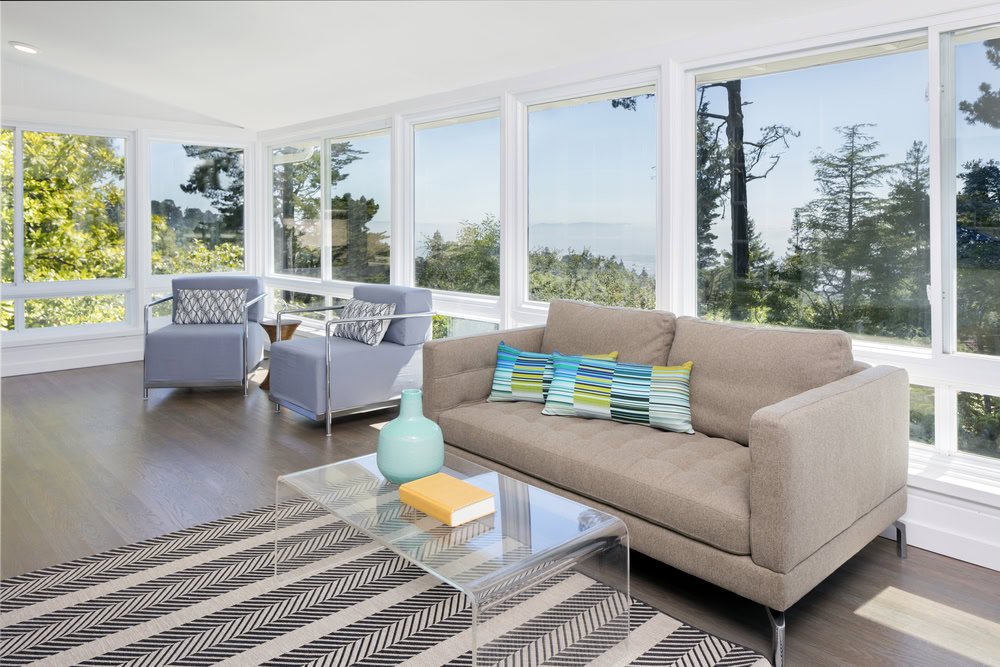
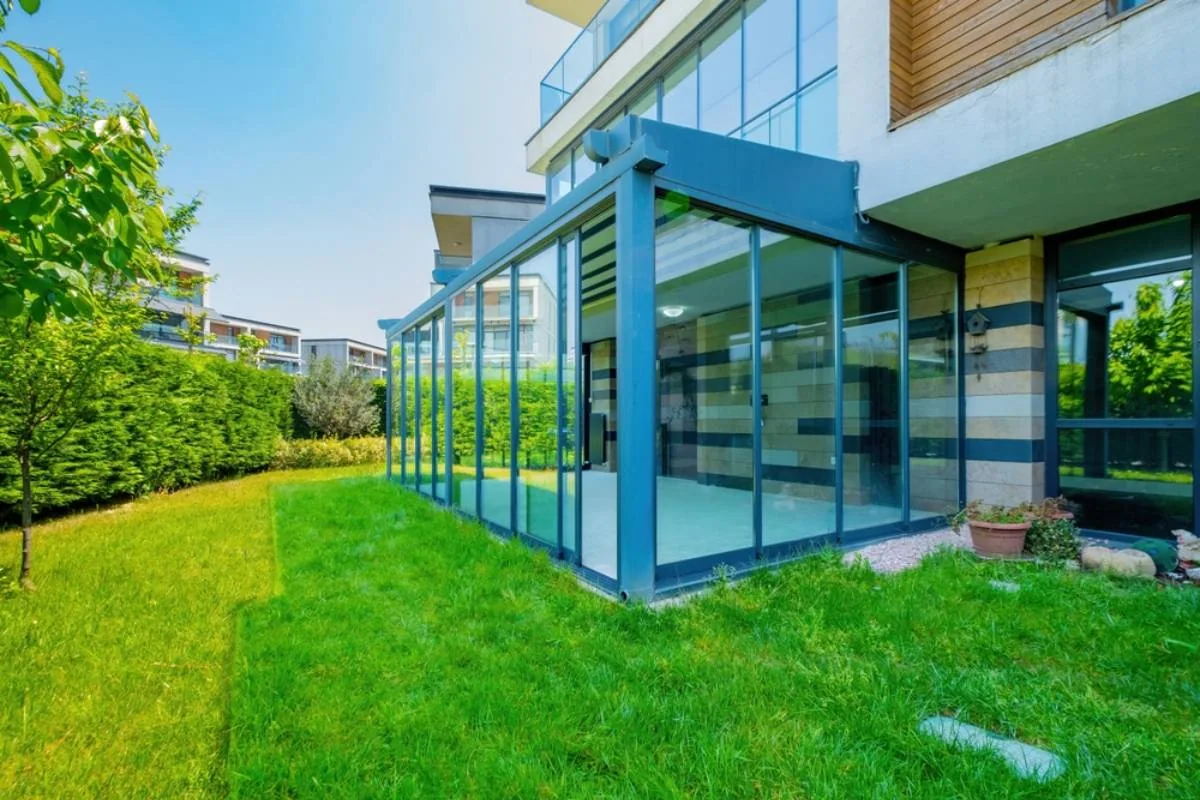
A traditional sunroom is a permanently enclosed addition with glass walls and windows. You’re looking at insulated glass, solid roofing, and a structure that’s essentially another room attached to your house. It stays the same whether it’s 30 degrees or 90 degrees outside.
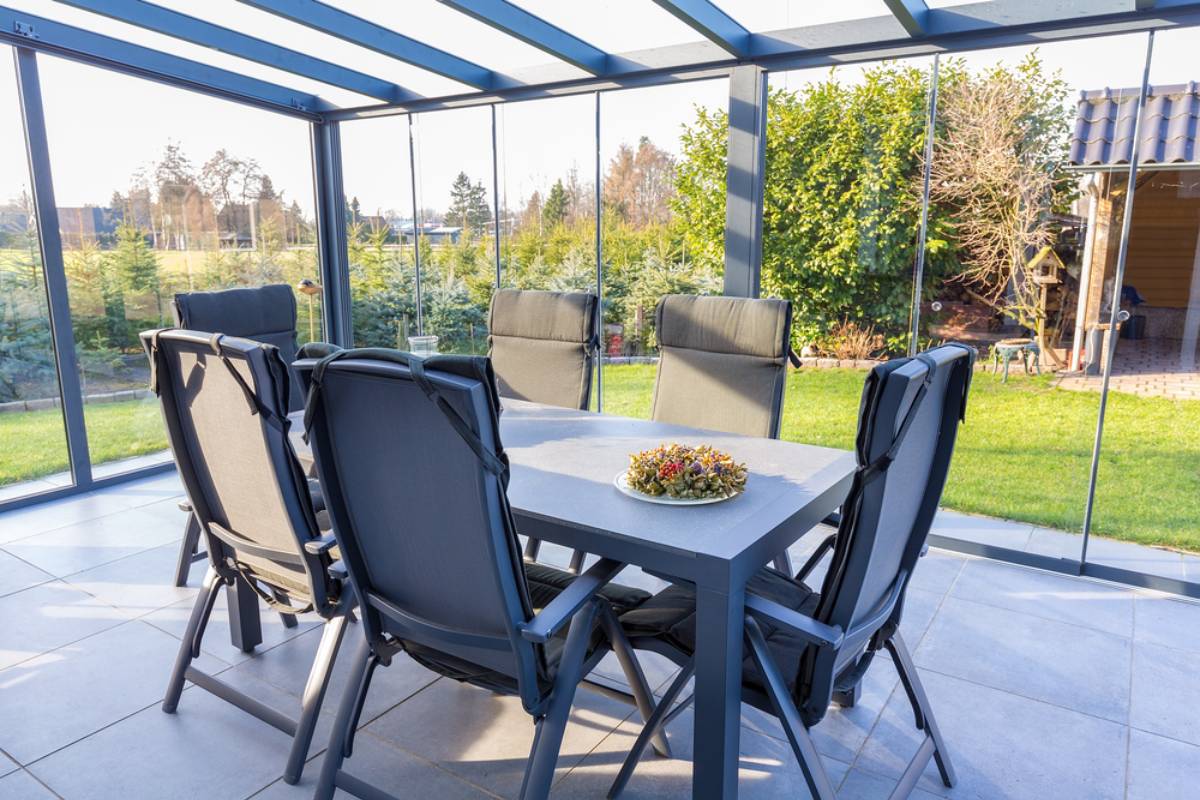
A LifeRoom takes a different approach. Think of it as a covered patio that transforms at the push of a button. Motorized retractable screens descend when you want protection from weather, bugs, or sun. When conditions are perfect, those screens retract completely, giving you an open-air experience.
The fundamental difference is flexibility. Traditional sunrooms give you one permanent environment. LifeRoom systems adapt to whatever you need in that moment—fully enclosed, partially screened, or completely open.
Automated Outdoor Living: How Motorized Screens and Climate Control Work
LifeRoom’s motorized screens operate independently of each other. You can lower the west-facing screen to block afternoon sun while keeping the north side open for breeze. A remote control, smartphone app, or integration with your existing smart home system gives you complete control without leaving your chair.
The screens themselves do more than just drop down. They block up to 95% of UV rays, keep out insects and pollen, and can even serve as projection screens for outdoor movie nights. Blue LED mood lighting integrates into the system, and the more advanced LifeRoom Luxe models include Cool Mist climate technology that can drop the temperature by up to 40 degrees on brutal Long Island summer days.
Traditional sunrooms handle climate control differently. They rely on extension of your home’s HVAC system or dedicated mini-split units. You get consistent temperature control, but you’re running heating or cooling equipment rather than using passive climate management. The glass walls and insulated roof create a sealed environment that maintains whatever temperature you set, similar to any other room in your house.
Smart home integration in traditional sunrooms typically involves programmable thermostats and automated window treatments. Modern sunroom technology allows you to control temperature zones and adjust blinds remotely, but the structure itself doesn’t transform. With a LifeRoom, the entire space physically changes configuration based on conditions and your preferences.
Year-Round Functionality: What Actually Happens in Winter
This is where the conversation gets real for Nassau County homeowners. Long Island winters aren’t mild, and how these systems perform when it’s 20 degrees outside matters.
Traditional four-season sunrooms are built for year-round use. Proper insulation in walls, ceiling, and floor. Thermal-break window frames that prevent heat transfer. Connection to your home’s heating system or a dedicated heat source. When designed correctly, you’re looking at a space that’s just as comfortable in January as it is in June. You can use it as a living room, home office, or dining area regardless of what’s happening outside.
LifeRoom systems are different. The motorized screens provide excellent protection from wind, rain, and insects, but they’re not designed to be your primary winter living space in the way a fully insulated sunroom is. You can add portable heaters or infrared heating elements to extend the season into late fall and early spring, but when temperatures drop into the teens and twenties, you’re not getting the same insulated performance as a traditional four-season room.
That said, many Long Island homeowners find that LifeRoom systems deliver exactly what they need—comfortable outdoor living from April through November, which is when you actually want to be outside anyway. The screens retract completely during perfect weather, giving you an open-air experience that no traditional sunroom can match. When a summer thunderstorm rolls in, you press a button and you’re protected within seconds.
The question isn’t which system is “better” for winter. It’s whether you need a fully climate-controlled room 365 days a year, or whether you’d rather have maximum flexibility during the months when outdoor living actually matters to you.
LifeRoom System Benefits vs Traditional Sunroom Features
Let’s talk about what you’re actually getting with each option, because the feature lists tell different stories.
LifeRoom system benefits center on adaptability. Screens up when you want full sun and breeze. Screens down when weather turns or bugs appear. Independent screen operation means you control each side separately based on sun position or wind direction. The Cool Mist system on higher-end models creates comfortable outdoor temperatures even when it’s 95 degrees. Smart home connectivity lets you adjust everything from your phone or voice commands.
Traditional sunrooms deliver consistency. Insulated glass that performs in extreme temperatures. Solid roof construction that handles snow load and protects from weather. Full integration with your home’s electrical and HVAC systems. Permanent, reliable climate control that doesn’t depend on outdoor conditions. The space functions as genuine square footage that appraisers count toward your home’s livable area.
Installation Requirements and Timeline Differences
Traditional sunroom installation is a construction project. You’re looking at foundation work, structural tie-ins to your existing roofline, electrical rough-in and finish work, HVAC extensions or dedicated climate control installation, and finish carpentry. Permits are required for anything over 120 square feet in Nassau County, NY, and the approval process involves plan reviews, inspections, and compliance with local building codes.
Timeline-wise, expect several weeks to a few months depending on size and complexity. Weather can delay outdoor construction phases. You’re dealing with contractors on-site for extended periods, and there’s legitimate disruption to your daily routine while the work happens.
LifeRoom installation is faster and less invasive. The system typically covers an existing patio or deck, which means you’re not pouring new foundations or doing extensive structural work. The motorized screen system, roof structure, and integrated features get installed in days rather than weeks. You still need permits for most installations, but the scope of work is simpler.
The trade-off is permanence versus speed. Traditional sunrooms involve more upfront disruption but deliver a permanent structure built to the same standards as your home. LifeRoom systems get you enjoying the space faster with less construction impact.
For homeowners who want to start using their outdoor space this season rather than waiting months for construction to wrap up, that timeline difference matters. For those who want a true four-season room addition that adds official square footage to their home, the longer construction process delivers something LifeRoom systems aren’t designed to provide.
Cost Comparison and Long-Term Value Analysis
Traditional four-season sunrooms in the Nassau County area typically run $250 to $450 per square foot when professionally installed. A 200-square-foot sunroom is looking at $50,000 to $90,000 depending on materials, features, and site conditions. That includes foundation, framing, insulated glass, roofing, electrical, HVAC integration, and finish work. Prefab sunroom kits can reduce costs, but you’re still looking at significant investment for a quality four-season installation.
LifeRoom systems generally cost less than traditional four-season sunrooms while delivering different functionality. You’re not paying for foundation work, extensive framing, or full HVAC integration. The motorized screen technology, structural roof, climate features like Cool Mist systems, and smart home integration make up the bulk of the investment. Most LifeRoom installations come in 20-30% lower than comparable traditional sunroom construction.
Return on investment is where things get interesting. Traditional four-season sunrooms that add genuine livable square footage to your home typically return 49-70% of their cost at resale in the Long Island market. They’re valued similarly to other finished living space. LifeRoom systems deliver value differently—they create highly desirable outdoor living functionality without the full cost of traditional construction, and they solve specific problems like bug protection and weather adaptability that resonate with buyers.
Long-term costs matter too. Traditional sunrooms require minimal ongoing maintenance if built correctly—occasional window cleaning, HVAC filter changes, and standard upkeep. LifeRoom systems have motorized components that may eventually need service, though modern systems are engineered for years of reliable operation. Both options are dramatically cheaper to maintain than traditional home additions that require painting, siding replacement, and extensive exterior maintenance.
The value question isn’t just about resale numbers. It’s about how much you’ll actually use the space. A traditional sunroom that sits empty half the year because it’s too hot in summer or feels disconnected from the outdoors isn’t delivering value regardless of what it cost. A LifeRoom that gets used 200+ days a year because it adapts to conditions might deliver better practical value even if the resale numbers are slightly lower.
Choosing the Right Outdoor Living Solution for Your Nassau County Home
The decision comes down to how you’ll actually use the space and what matters most to you. If you need a true four-season room that functions as year-round living space—a home office, playroom, or dining area you’ll use every single day regardless of weather—a traditional sunroom delivers that. If you want maximum flexibility during outdoor living season with the ability to transform your space instantly based on conditions, LifeRoom technology is built for exactly that.
Neither option is universally better. They’re designed for different priorities. Traditional sunrooms give you permanent, climate-controlled space. LifeRoom systems give you adaptable outdoor living with modern automation.
We work with Nassau County homeowners to evaluate which solution actually matches your lifestyle, property, and goals. Sometimes that’s a traditional sunroom. Sometimes it’s a LifeRoom system. Often, understanding how you’ll use the space makes the right choice obvious.