Summary:
You’ve got plans for your backyard. Maybe it’s morning coffee without squinting into the sun, or weekend dinners that don’t get rained out. But when you start looking into pergolas and patio covers, the options can feel overwhelming. Open slats or solid roof? Aluminum or wood? Budget-friendly now or maintenance-free later? The choice between a pergola and a patio cover comes down to how you’ll actually use the space—and what Long Island weather will throw at it. Let’s break down what each structure really offers so you can move forward with confidence.
Pergola vs Patio Cover: Design Differences That Matter
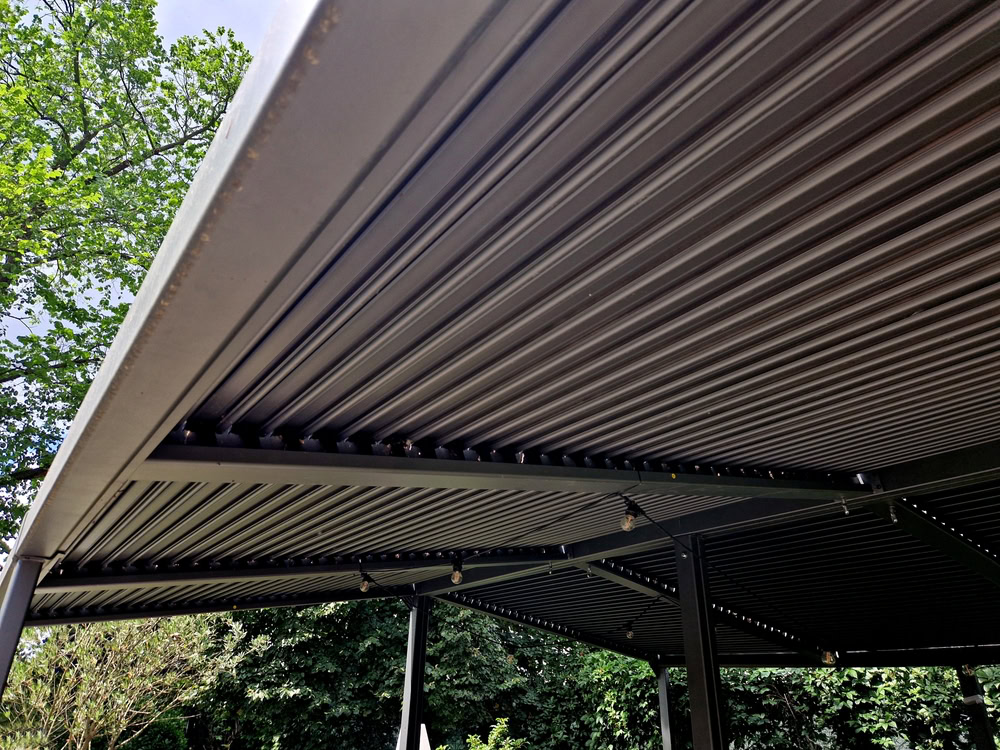
The most obvious difference is what’s over your head. A pergola features an open, slatted roof supported by posts or beams. Sunlight filters through in patterns that shift throughout the day, creating that dappled shade effect you see in garden photos. It’s airy, it’s architectural, and it defines your outdoor space without closing it off completely.
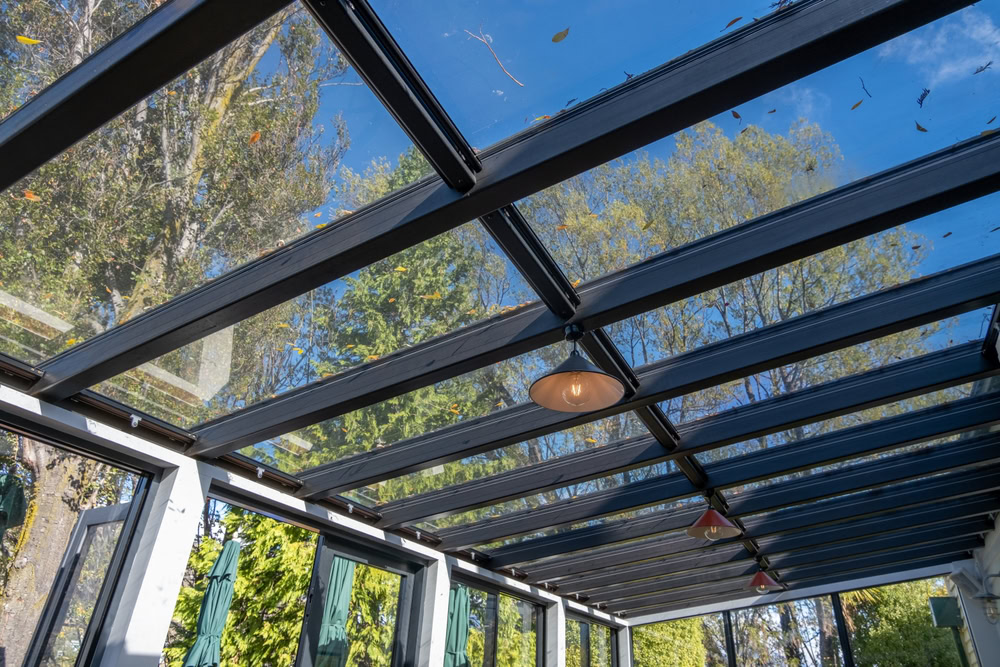
A patio cover gives you a solid roof—think of it as an extension of your home’s roofline. It attaches to your exterior wall and keeps rain, snow, and harsh sun completely off your patio. No gaps, no filtered light, just full coverage.
That fundamental design difference drives everything else: how much weather protection you get, what kind of maintenance you’re signing up for, and how the structure changes the feel of your outdoor area.
How Pergolas Create Outdoor Living Space
Pergolas work best when you want to define a space without boxing it in. The open lattice design lets you see the sky, feel the breeze, and still get relief from direct sunlight during the hottest parts of the day. It’s partial shade, not total coverage—which means you’re still connected to the outdoors in a way that feels intentional.
Many Nassau County, NY homeowners use pergolas to create a focal point in the yard. You can run climbing vines up the posts, hang string lights across the beams, or add outdoor curtains for extra privacy when you need it. The structure itself becomes part of the landscape rather than dominating it.
On Long Island, where summer afternoons can push into the 90s, a pergola offers enough shade to make your patio usable without completely blocking natural light. You’re not sitting in full sun, but you’re also not sitting in a cave. The trade-off is that you won’t stay dry during a thunderstorm, and you’ll still want sunscreen on bright days.
Pergolas also tend to feel less permanent, even though they’re built to last. Because they don’t have a solid roof, they don’t change the visual footprint of your home as dramatically as a patio cover does. For smaller yards in Garden City or Syosset where you want to maintain an open sightline, that lighter presence can be a real advantage.
The other benefit is flexibility. If you start with a pergola and later decide you want more coverage, you can add retractable canopies, shade sails, or even polycarbonate panels to the top. You’re not locked into one level of protection forever.
What Patio Covers Deliver for Year-Round Use
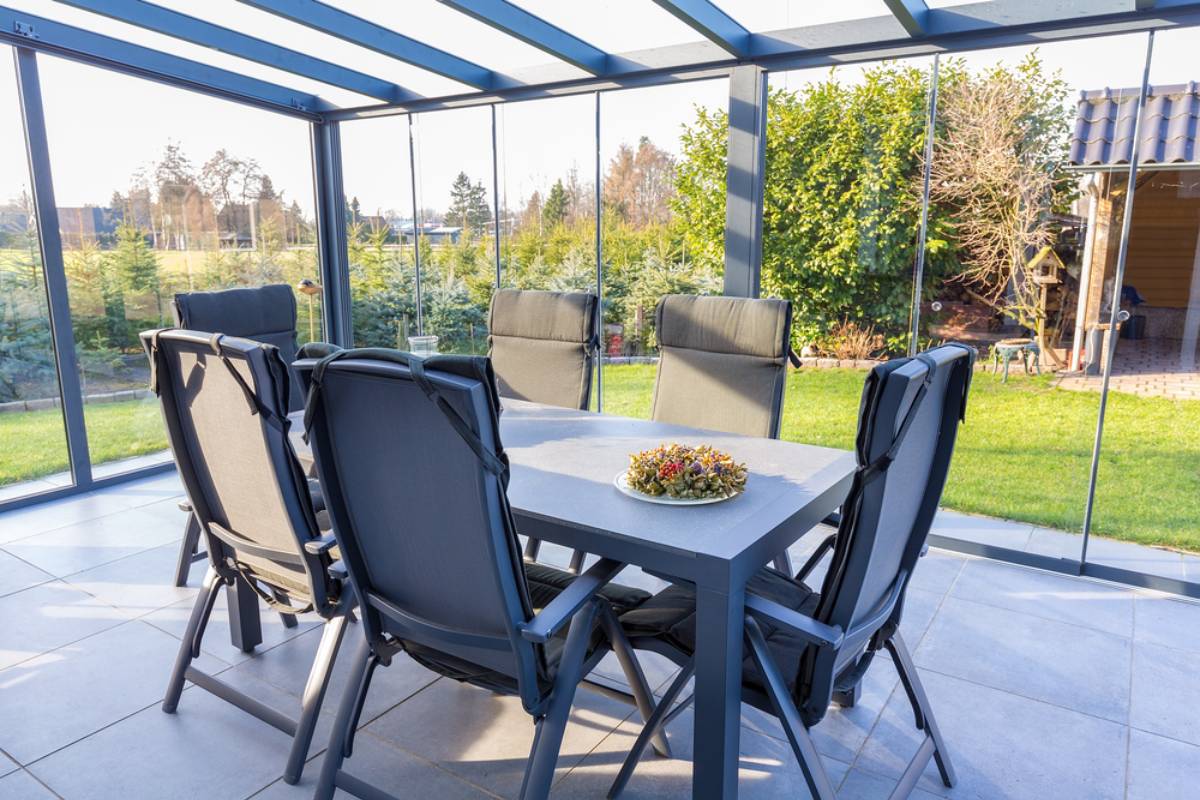
A patio cover is built for function. It attaches to your house, extends the roofline, and creates a sheltered outdoor room that you can use in almost any weather. Rain, snow, intense sun—none of it reaches the space underneath. That makes a huge difference if you’re planning to keep outdoor furniture, a grill, or even an outdoor kitchen on your patio year-round.
The solid roof also means you can integrate features that wouldn’t work under a pergola. Recessed lighting, ceiling fans, outdoor speakers, even mounted TVs—all of these become realistic options when you have a weather-tight structure overhead. You’re essentially adding square footage to your home’s usable living space, just without the walls.
In Nassau County, NY, where summer thunderstorms roll in fast and winter weather can drop snow and ice, a patio cover gives you reliability. You don’t have to scramble to cover furniture or cancel plans because of a forecast. The space is ready when you are.
Patio covers also tend to feel more finished. Because they match or complement your home’s existing architecture, they look like they were always meant to be there. That seamless integration can boost curb appeal and make your outdoor area feel like a true extension of your indoor living space—something that matters when you’re investing in your Long Island property.
The downside is that you lose the open-sky experience. Some homeowners find that a solid roof makes the patio feel darker or more enclosed, especially if it’s a smaller space. You’re trading that airy, garden-like atmosphere for complete protection and functionality.
But if your goal is to use your patio as often as possible—morning, noon, night, rain or shine—a patio cover delivers on that promise in a way a pergola simply can’t.
Patio Cover vs Pergola Cost: What Nassau County, NY Homeowners Should Expect
Cost is where most homeowners start asking hard questions. Pergolas are generally less expensive upfront because they require less material and simpler construction. You’re building a frame with an open roof, not engineering a weather-tight structure that has to handle snow loads and water runoff.
Patio covers cost more initially. You’re paying for a solid roof, proper attachment to your home, integrated gutters, and often electrical work if you’re adding lights or fans. But that higher upfront cost can actually save you money over time, especially when you factor in maintenance and longevity.
Let’s talk about what that looks like in real numbers and real years.
Understanding Upfront Investment and Long-Term Value
A wood pergola might cost less today, but it’s going to need staining, sealing, and repairs every few years. Over a 20-year period, those maintenance costs add up fast. You might spend a few thousand dollars upfront, then another few hundred every couple of years, plus the cost of replacement when the wood starts to rot or warp—which happens faster in Long Island’s humid summers and freezing winters.
An aluminum patio cover costs more initially—sometimes double or triple the price of a basic wood pergola. But it requires almost zero maintenance. No painting, no sealing, no worrying about rot or termites. What you pay today is what you pay, period. That’s a big deal when you’re planning a long-term investment in your Nassau County, NY home.
When you’re comparing a pergola or patio cover, don’t just look at the price tag. Look at what you’ll spend over the life of the structure. Aluminum patio covers can last 20 to 30 years with minimal upkeep. Wood pergolas typically need replacement or major repairs within 10 to 15 years, even with regular maintenance.
There’s also the question of what you’re protecting. If you’re investing in high-end outdoor furniture, a grill, or an outdoor kitchen, a patio cover shields all of that from weather damage. Your furniture lasts longer, your cushions don’t fade, and you’re not constantly replacing items that got ruined by rain or sun exposure.
Pergolas offer less protection, which means your outdoor investments are more exposed. That’s fine if you’re planning to bring cushions inside or cover furniture when storms roll in. But if you want a true outdoor living space that’s ready to use without prep work, a patio cover pays for itself in convenience and longevity.
Material Choices and Maintenance Requirements
Material choice impacts both upfront cost and long-term expenses. Wood pergolas—especially cedar or redwood—have that classic, natural look that many homeowners love. But wood needs regular maintenance to stay looking good and structurally sound. In Nassau County, NY’s climate, with humid summers and freezing winters, wood expands, contracts, and eventually starts to show wear.
Aluminum pergolas cost more upfront but eliminate the maintenance cycle entirely. They don’t rot, warp, crack, or attract pests. You’re paying for durability and peace of mind, not just aesthetics. Modern aluminum options even come with wood-grain finishes, so you get the look without the upkeep.
Patio covers typically use aluminum or insulated panels for the roof. Aluminum is lightweight, strong, and available in finishes that mimic natural materials. Insulated panels add an extra layer of thermal protection, keeping the space cooler in summer and potentially lowering energy costs for adjacent indoor rooms—something worth considering when you’re running the AC all summer on Long Island.
Some homeowners consider hybrid options: a pergola frame with polycarbonate panels on top for partial rain protection, or a patio cover with lattice sections for a more open feel. These combinations can give you flexibility, but they also add complexity to the design and installation.
The smartest approach is to think about how you’ll actually use the space. If you’re hosting dinners three nights a week, grilling year-round, or working from your patio during warmer months, invest in the structure that supports that lifestyle without constant maintenance. If you want a decorative accent that adds charm and occasional shade, a pergola might be all you need.
Budget matters, but so does how much time you’re willing to spend on upkeep. A lower initial cost doesn’t mean much if you’re repainting, resealing, or replacing boards every few years. Factor in your time, your tolerance for maintenance, and what you want your outdoor space to feel like five, ten, or twenty years from now.
Choosing the Right Outdoor Shade Structure for Your Nassau County, NY Home
The decision between a pergola and a patio cover isn’t about which one is better—it’s about which one fits how you live. If you want filtered light, an open feel, and a structure that blends into your landscaping, a pergola delivers that. If you need complete weather protection, year-round usability, and a space that functions like an outdoor room, a patio cover makes more sense.
Think about your priorities. How often will you use this space? What kind of weather do you want to be protected from? How much maintenance are you willing to take on? And what does your outdoor area need to feel like for you to actually enjoy it?
If you’re ready to explore custom outdoor living solutions designed specifically for Long Island homes, we bring nearly 50 years of experience to every project—from custom pergolas and patio covers to complete outdoor room transformations. We handle everything from design and permits to installation, so you can focus on how you’ll use the space instead of worrying about how to build it.