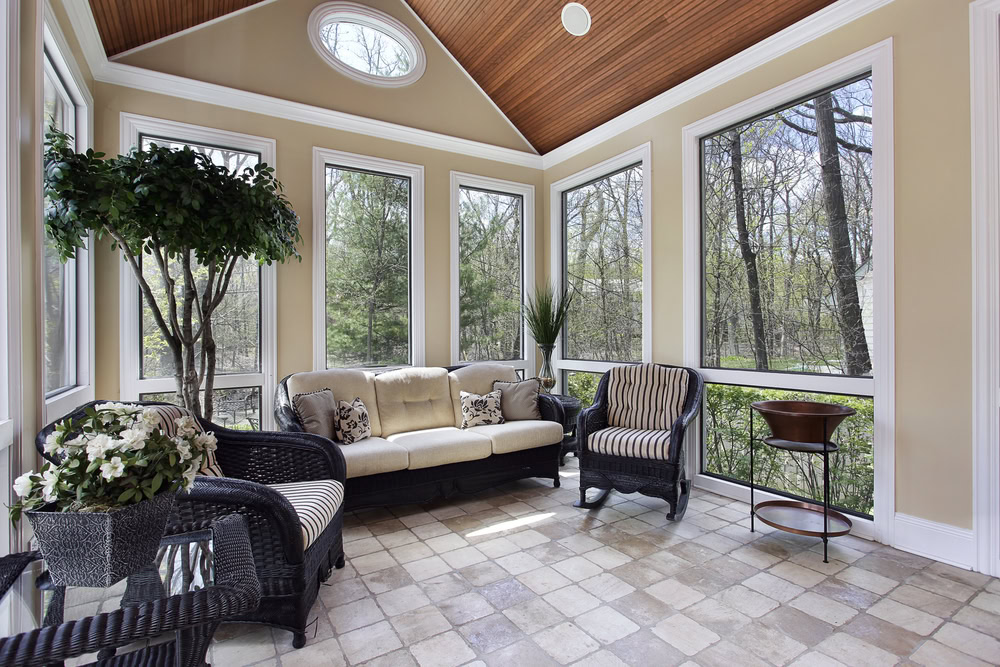
Summary:
Your deck sits unused half the year. Winter keeps you indoors, summer humidity makes outdoor living unbearable, and bugs ruin every evening you try to enjoy your backyard. You’re not looking for another space that only works three months out of twelve.
The sunroom design ideas gaining traction in 2026 solve exactly that problem. They’re built around year-round comfort, smarter materials, and layouts that actually fit how people live today. You’ll see what’s working for Nassau County homeowners who want natural light, outdoor views, and usable space regardless of what Long Island’s weather throws at them.
What Makes 2026 Sunroom Design Different
Sunroom design has moved past the “glass box that overheats in summer” phase. The shift happening in 2026 centers on creating spaces that feel like actual rooms, not afterthoughts tacked onto your home.
Modern sunroom designs now prioritize climate control from the start. That means insulated glass that regulates temperature instead of amplifying it, proper ventilation that doesn’t require leaving doors open, and materials proven to handle coastal conditions without constant maintenance. Long Island homeowners are choosing designs that work in February and August with equal comfort.
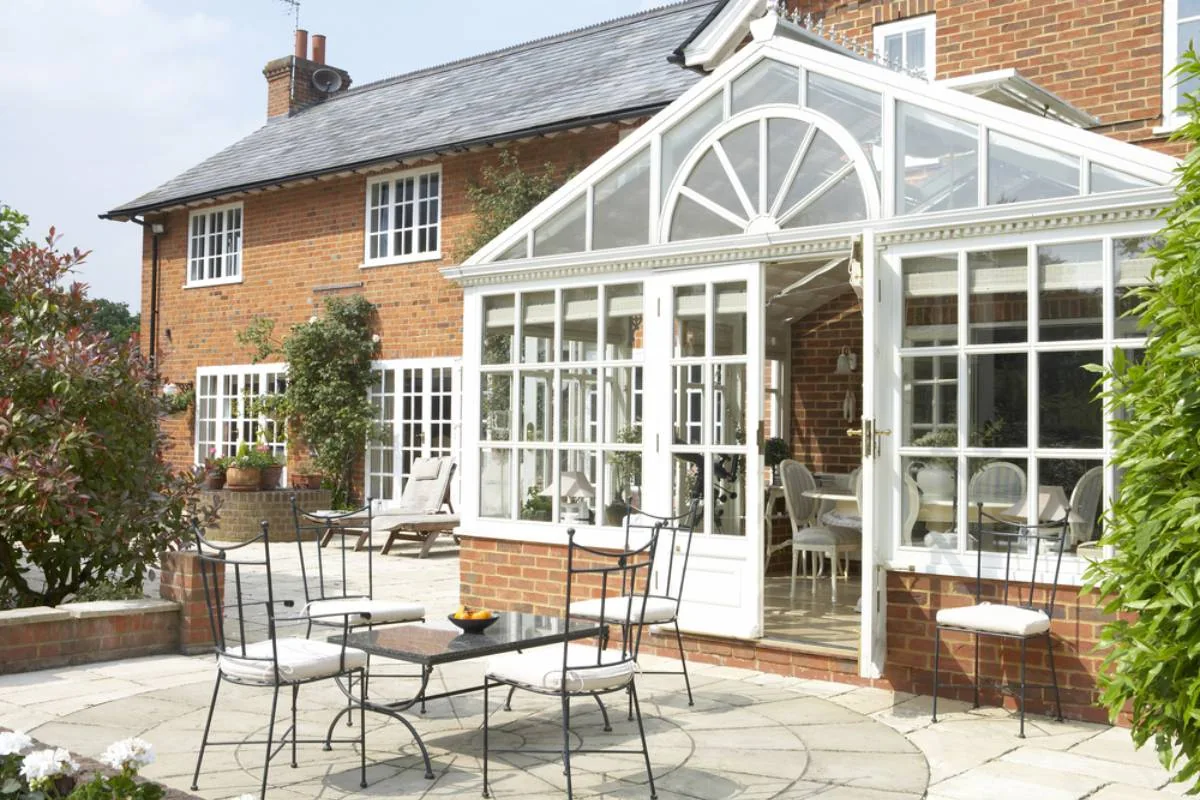
The aesthetic has changed too. You’re seeing fewer conservatory-style showpieces and more rooms that look like they’ve always belonged to the house. Clean lines, natural materials, and layouts designed around how you’ll actually use the space—not just how it photographs.
Modern Four Season Room Designs for Year-Round Use
Four-season sunrooms represent the biggest shift in how these spaces are designed and built. They’re engineered to handle Nassau County’s full weather range, from nor’easters dumping snow to humid summer days that make traditional sunrooms unbearable.
The construction starts with thermal performance. High-performance glass systems do more than let light in—they actively regulate interior temperature. Low-E coatings reflect heat in summer while retaining warmth in winter. Double or triple-pane configurations with argon gas fill create insulation that rivals standard walls. You’re not fighting the elements anymore; you’re controlling them.
Structural integrity matters just as much in coastal areas. Long Island properties face wind loads, salt air exposure, and temperature swings exceeding 70 degrees between seasons. Aluminum framing has become the standard for four-season designs because it resists corrosion, handles structural stress, and requires virtually no maintenance. Wood offers warmth and traditional appeal, but demands regular care in humid coastal climates.
Climate control integration separates four-season rooms from their three-season counterparts. Some designs tie into your home’s existing HVAC system, treating the sunroom as genuine living space. Others use dedicated mini-split systems that provide precise temperature control without affecting the rest of your home’s comfort. Ceiling fans, operable windows for cross-ventilation, and smart thermostats round out the climate strategy.
The payoff shows up in how you actually use the space. You can host Thanksgiving dinner while snow falls outside. Your home office stays comfortable through July’s worst humidity. Kids play in the sunroom during February break without everyone bundling up in sweaters. It’s not seasonal bonus space—it’s square footage that earns its keep twelve months a year.
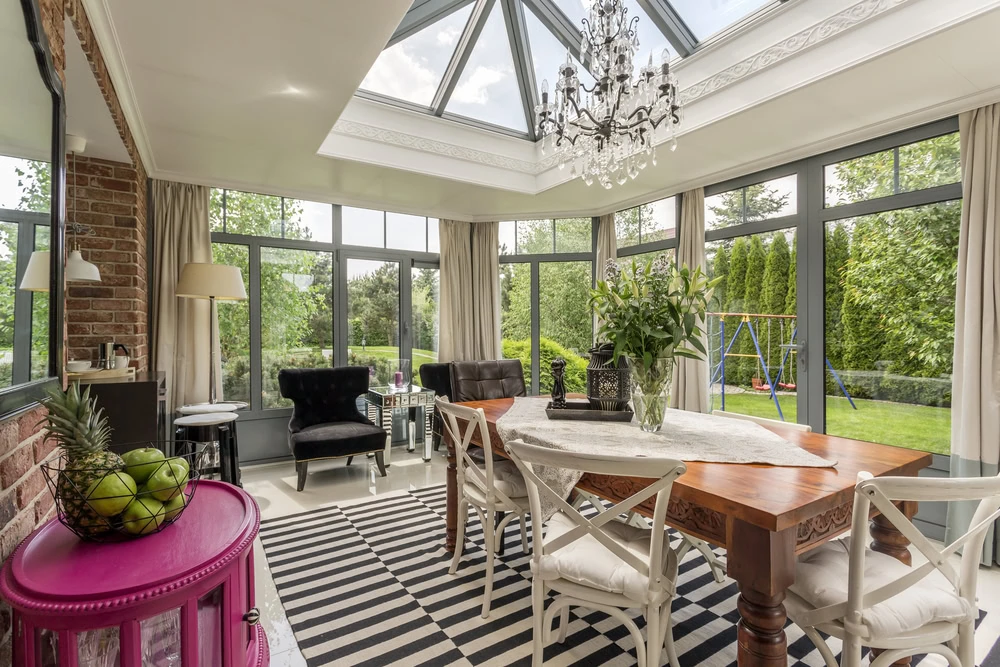
Layout flexibility has become central to four-season design. The best 2026 sunrooms don’t try to be everything at once. They’re designed as living zones: a reading nook that gets morning light, a dining area that opens to the kitchen, a workspace with views that don’t require a screen. Two-zone layouts work particularly well—conversation area plus dining space, or office setup with lounge seating. Built-in storage keeps the room from feeling floaty while maximizing usable floor space.
Smart Technology Integration in Sunroom Design
Smart home technology has moved from luxury feature to expected standard in 2026 sunroom design. Nearly every new project now includes some level of automation—not because it’s trendy, but because it solves real problems that sunroom owners face daily.
Automated shading systems lead the integration. The newest systems use your home’s GPS coordinates to calculate exactly where the sun is at any moment, adjusting motorized shades throughout the day and across seasons. They move between direct sun, no direct sun, and night positions automatically. You get maximum natural light without glare, furniture protection from UV damage, and maintained views—all without touching a button.
The technology works particularly well for Nassau County’s sun exposure patterns. East-facing sunrooms benefit from morning light control that energizes without overheating. South-facing spaces need sophisticated management to capture winter warmth while blocking summer intensity. West-facing rooms, which get the harshest afternoon sun, rely on automated systems to remain usable during peak heat hours.
Climate control automation has become equally sophisticated. Smart thermostats learn your patterns and adjust temperature before you enter the space. Some systems monitor humidity levels and activate ventilation automatically, crucial for Long Island’s coastal environment where moisture management prevents mold and maintains comfort. Integration with weather forecasts allows the system to pre-cool before heat waves or pre-warm ahead of cold snaps.
Lighting control extends beyond simple on-off switches. Circadian lighting systems change color temperature throughout the day—cool, energizing tones in morning shift to warm, relaxing hues by evening. This supports your body’s natural rhythms while making the space more versatile. Task lighting for reading areas, ambient lighting for entertaining, and accent lighting for plants all operate independently through intuitive controls.
Voice control and app integration tie everything together. You can adjust every system from your phone or through natural voice commands. The key is that technology disappears into the architecture. Hidden sensors, integrated lighting, and controls that blend into the space rather than dominate it. You get all the functionality without the room feeling like a tech showroom.
The real benefit shows up in daily use. Your sunroom heats up before your morning coffee. Shades automatically close when afternoon sun would make your workspace uncomfortable. Evening lighting adjusts for dinner parties without you programming scenes. The space responds to how you live instead of requiring constant manual adjustment.
Design Considerations for Long Island's Coastal Environment
Nassau County’s coastal location creates specific design requirements that generic sunroom plans don’t address. Salt air, hurricane-force winds, temperature extremes, and high humidity demand materials and construction methods proven in marine environments.
Material selection starts with corrosion resistance. Aluminum framing systems tested to withstand 1500 hours of salt spray exposure have become standard for coastal installations. Powder-coated finishes provide additional protection while offering color options that complement your home’s exterior. Stainless steel hardware, marine-grade sealants, and corrosion-resistant fasteners prevent the deterioration that plagues cheaper materials in coastal areas.
Glass specifications matter more near the coast. Impact-resistant glass protects against storm debris while meeting building code requirements for wind-rated installations. Tempered glass adds safety for areas where people gather. Low-E coatings and proper sealing prevent salt deposits from etching surfaces and compromising thermal performance over time.
Hurricane-Resistant Features and Structural Requirements
Long Island’s exposure to coastal storms means your sunroom needs to meet wind load requirements that inland properties don’t face. The structural engineering behind modern four-season rooms accounts for these forces from the foundation up.
Window and door systems carry specific ratings for wind resistance. Quality installations feature windows with load ratings at 150 MPH and DP (design pressure) ratings of 60 or higher for large horizontal sliders. These aren’t just numbers on spec sheets—they represent tested performance during storm conditions that would destroy standard residential windows.
Framing systems use thermally broken aluminum that provides both structural strength and thermal performance. The four-inch profiles common in coastal installations offer rigidity against wind loads while accommodating insulation and weatherstripping that keeps the interior comfortable. Connection points to your home’s existing structure require engineering to transfer loads properly without creating weak points or thermal bridges.
Foundation design addresses both structural and drainage requirements. Proper footings prevent settling that would stress the frame and compromise seals. Integrated drainage systems channel water away from the structure, essential during the heavy rains that accompany coastal storms. Elevated designs work well for properties in flood-prone areas, keeping living space above potential water levels while maintaining access and usability.
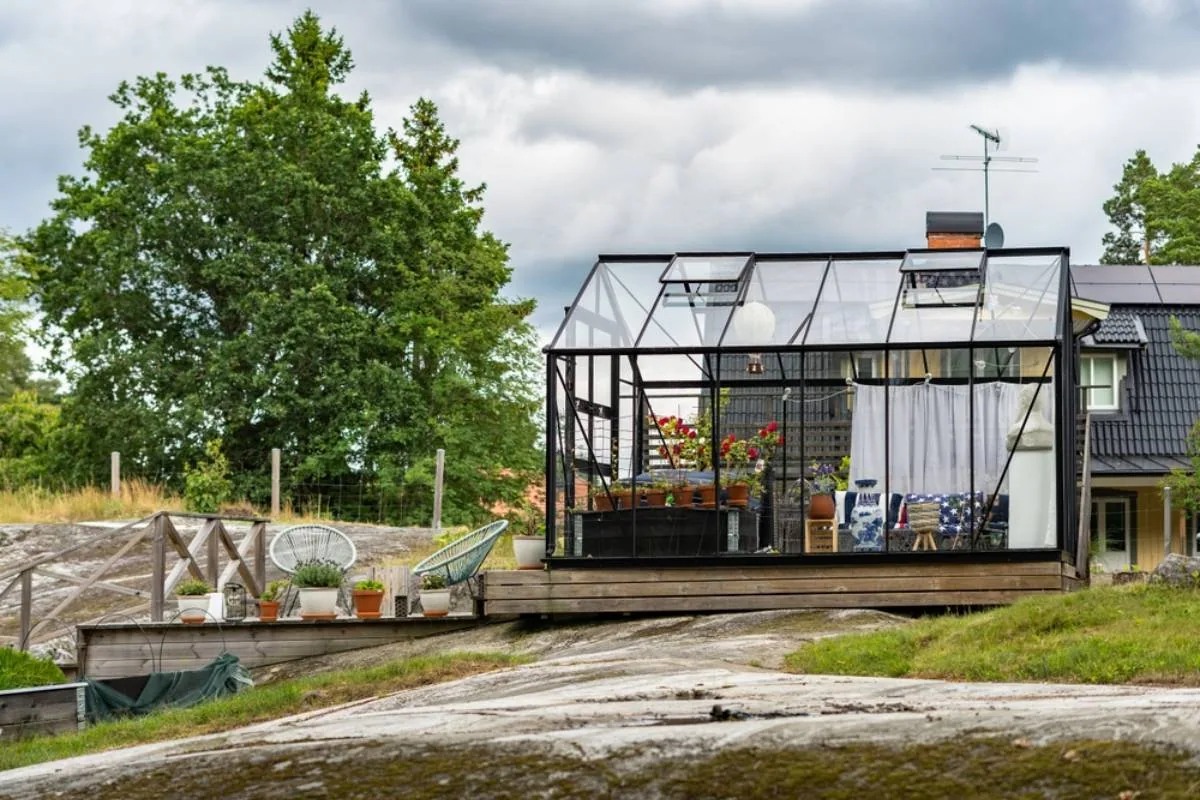
Roof design balances aesthetic preferences with practical performance. Studio-style roofs with single slopes tie cleanly into existing structures and shed water efficiently. Cathedral designs create dramatic interior volume but require careful engineering for wind resistance and water management. Glass roof sections, while beautiful, demand high-performance glazing and robust framing to handle both structural loads and thermal stress.
The permit process in Nassau County reflects these requirements. Building departments review structural calculations, wind load analysis, and connection details before approving construction. Working with contractors experienced in local regulations prevents costly revisions and ensures your project meets safety standards designed specifically for coastal conditions. Most quality installations include inspections at foundation, framing, and completion stages to verify compliance with approved plans.
Moisture Management and Ventilation Strategies
Long Island’s humidity creates challenges that dry climates never face. Moisture management isn’t optional—it’s fundamental to creating a sunroom that stays comfortable and maintains its condition over decades of use.
Proper ventilation starts with operable windows positioned to create cross-flow. Transom windows near the ceiling allow hot air to escape while lower windows bring in fresh air, creating natural circulation that reduces reliance on mechanical cooling. The placement matters more than the quantity—strategic positioning based on prevailing winds and sun exposure makes a few well-placed windows more effective than many poorly located ones.
Dehumidification becomes necessary when natural ventilation can’t keep up with coastal humidity. Standalone dehumidifiers work for smaller spaces, but integrated systems that tie into your HVAC provide more consistent control. Some designs incorporate heat recovery ventilators that exchange stale, humid air for fresh outdoor air while recovering thermal energy, improving both air quality and efficiency.
Condensation control requires attention to thermal bridging and dew point management. Quality installations use thermally broken frames that prevent cold surfaces where moisture condenses. Proper insulation in walls, ceiling, and floor eliminates temperature differentials that cause sweating and dripping. Vapor barriers positioned correctly within the building envelope prevent moisture migration into wall cavities where it causes hidden damage.
Flooring choices affect moisture management more than many homeowners realize. Porcelain tile, stamped concrete, and treated wood all handle humidity well while providing water resistance for the inevitable spills and tracked-in moisture. Carpet and untreated wood create maintenance headaches in humid coastal environments. Non-slip surfaces matter too—wet feet and smooth floors don’t mix well in spaces that transition between indoor and outdoor use.
Drainage extends beyond the foundation. Gutters and downspouts sized for Long Island’s intense rainfall events prevent water from overwhelming the system during storms. Proper grading around the perimeter moves water away from the structure. These details seem basic, but they’re the difference between a sunroom that stays dry and one that fights moisture problems for its entire life.
Creating Your Ideal Sunroom Design for Nassau County
The sunroom design ideas making the biggest impact in 2026 share common ground: they’re built for real seasons, designed around how people actually live, and engineered to handle Long Island’s specific challenges. Smart glass, proper climate control, and layouts that serve multiple purposes have replaced the old model of seasonal spaces that sit unused half the year.
Your sunroom should work as hard as the rest of your home. That means materials proven in coastal environments, technology that simplifies daily use, and design that integrates seamlessly with your existing architecture. The upfront planning determines whether you get a space you use daily or one that becomes expensive storage.
We bring nearly 50 years of experience to Nassau County projects, handling everything from permit navigation to material selection rated for coastal conditions. When you’re ready to explore designs that actually deliver year-round comfort, reach out to discuss what’s possible for your property.