Summary:
Common Sunroom Materials Used in Long Island Construction
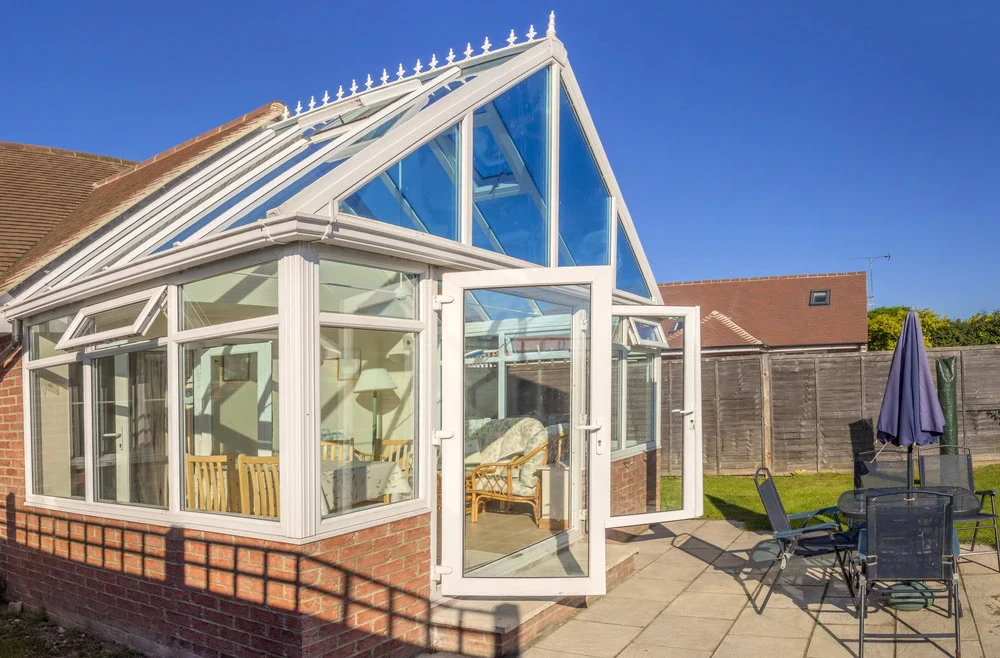
Three primary materials dominate sunroom construction: vinyl, aluminum, and wood, each offering unique benefits. Your choice impacts everything from energy efficiency to long-term maintenance costs.
These materials have become the most popular options for sunroom construction, with your choice depending on budget, location, and aesthetic preferences. Understanding each material’s properties helps you make the right decision for Long Island’s specific climate challenges.
Vinyl Sunroom Materials: Energy Efficiency and Low Maintenance
Vinyl stands out as an excellent insulator, making it highly energy efficient. This translates to lower heating and cooling costs throughout Long Island’s varied seasons.
Vinyl is affordable, lightweight, and impervious to insects and moisture damage, making it virtually maintenance-free. It’s also a good insulator and comes in a variety of colors. For Long Island homeowners dealing with coastal humidity and temperature swings, these properties prove invaluable.
Vinyl-fiberglass composite sunrooms offer exceptional insulation against both electrical and thermal energy, providing greater R-value and making them ideal for regions experiencing extreme heat or cold. This results in lower energy costs and reduced carbon footprint.
The durability factor matters significantly here. Vinyl is made of exceptionally strong PVC plastic resin, while fiberglass provides extremely strong, stable, and thermally non-transmitting properties. This combination handles Long Island’s weather extremes without degrading.
Vinyl is the most affordable sunroom material and is lightweight yet extremely durable, often internally reinforced by aluminum or steel for enhanced strength. For budget-conscious Long Island homeowners, this offers premium performance without premium pricing.
Aluminum Sunroom Materials: Strength vs Insulation Trade-offs
Vinyl stands out as an excellent insulator, making it highly energy efficient. This translates to lower heating and cooling costs throughout Long Island’s varied seasons.
Vinyl is affordable, lightweight, and impervious to insects and moisture damage, making it virtually maintenance-free. It’s also a good insulator and comes in a variety of colors. For Long Island homeowners dealing with coastal humidity and temperature swings, these properties prove invaluable.
Vinyl-fiberglass composite sunrooms offer exceptional insulation against both electrical and thermal energy, providing greater R-value and making them ideal for regions experiencing extreme heat or cold. This results in lower energy costs and reduced carbon footprint.
The durability factor matters significantly here. Vinyl is made of exceptionally strong PVC plastic resin, while fiberglass provides extremely strong, stable, and thermally non-transmitting properties. This combination handles Long Island’s weather extremes without degrading.
Vinyl is the most affordable sunroom material and is lightweight yet extremely durable, often internally reinforced by aluminum or steel for enhanced strength. For budget-conscious Long Island homeowners, this offers premium performance without premium pricing.
Best Sunroom Materials for Long Island Insulation Performance
If you’re looking for good insulation, vinyl is the material you want for your sunroom. When combined with double- or triple-pane energy efficient windows, this material keeps your sunroom comfortable all year round while saving money by reducing energy costs.
You can make your sunroom more energy efficient by using highly insulated windows, putting insulation in exterior walls, better insulating floors, and insulating the roof. These items are much easier to install when the sunroom is built rather than adding them later.
Why Vinyl Delivers Superior Insulation for Long Island Climate
Vinyl-fiberglass composite provides greater R-value, making it ideal for regions experiencing extreme heat or cold. Lower energy costs reduce your carbon footprint and can lower HVAC repairs and maintenance because the system is under reduced stress.
Long Island’s climate demands materials that handle both summer heat and winter cold effectively. Vinyl is a better insulator compared to aluminum, making vinyl siding an energy efficient choice for year-round sunroom use in climates with hot summers and cold winters.
Vinyl-fiberglass composite sunrooms are the superior product in terms of durability and energy efficiency, allowing sunrooms to best insulate against extreme heat and cold. This becomes crucial during Long Island’s temperature extremes.
The thermal performance difference is substantial. During extremely warm or cold months, conditioning an aluminum sunroom will most likely incur significant energy costs, which is neither efficient nor economical. Vinyl avoids this problem entirely.
The energy efficiency of a vinyl sunroom allows customers to save more money on energy costs in the long run. For Long Island homeowners concerned about rising energy costs, this long-term savings proves significant.
Wood Sunroom Materials: Natural Insulation with Maintenance Considerations
Wood has good insulation properties and can withstand extreme fluctuations in temperature and resists the effects of condensation. These natural insulation properties make wood a viable option for Long Island’s climate variations.
Wood is a traditional building choice for sunrooms, creating a unique natural ambiance perfect for spaces designed to get closer to nature. Wood is a good insulator, can withstand extreme temperature fluctuations, and resists condensation effects.
However, maintenance requirements increase significantly. Wood can be pricey, especially in environmentally conscious times, and requires more upkeep than other materials to maintain its natural beauty. You also need to watch for wood-eating critters like termites.
Wood is a more expensive building material choice and requires more upkeep to properly maintain compared to vinyl or aluminum. With wood, it’s important to take precautions regarding insects to prevent infestation.
Wood is a natural insulator that helps keep sunroom temperature regulated, but wood sunrooms are more prone to rot and damage from termites. They require high maintenance including regular painting and refinishing, especially in damp climates, and wood tends to be costly with higher installation costs due to weight.
For Long Island’s coastal environment with higher humidity levels, these maintenance challenges become more pronounced. While wood offers excellent insulation properties, the ongoing maintenance requirements often make vinyl or aluminum more practical choices.
Choosing the Right Sunroom Materials for Your Long Island Home
While wooden sunrooms offer natural, warm aesthetics and potential for custom designs, vinyl and aluminum sunrooms bring practical benefits including low maintenance, durability, energy efficiency, cost-effectiveness, design flexibility, and weather resistance. Your choice should depend on specific needs, preferences, budget, and climate conditions.
For most Long Island homeowners, vinyl emerges as the optimal choice, delivering superior insulation performance, minimal maintenance requirements, and excellent durability against coastal weather conditions. The energy savings alone often justify the investment over time.
When you’re ready to explore sunroom options that will perform beautifully in Long Island’s climate, we bring decades of local experience and expertise to help you make the right material choice for your specific needs and budget.