Summary:
Understanding Long Island's Most Common Home Styles
Long Island’s neighborhoods showcase architectural diversity that spans centuries. Colonial homes dominate many streets in Garden City, Manhasset, and across Nassau County with their symmetrical facades and formal presence. You’ll spot them by the centered front door, evenly spaced windows, and often a second story that mirrors the first.
Cape Cod style homes bring New England charm with steep rooflines, dormer windows, and that unmistakable cozy appeal. These homes were built for coastal living, which makes them particularly common near the water in areas like Port Washington and throughout Suffolk County. Ranch homes spread horizontally across their lots in communities like Levittown and Commack, offering single-level living with clean lines and an emphasis on indoor-outdoor flow.
Each style has distinct characteristics that should guide your patio cover choice. A cover that enhances a Colonial’s formality might overwhelm a Ranch’s simplicity. Understanding your home’s architectural language is the first step toward choosing backyard covers that fit naturally with what you already have.
What Patio Cover Styles Work Best with Colonial Homes
Colonial homes demand patio covers with structure and symmetry. These homes were designed with balance in mind—what you see on the left mirrors the right. Your patio cover should respect that formality.
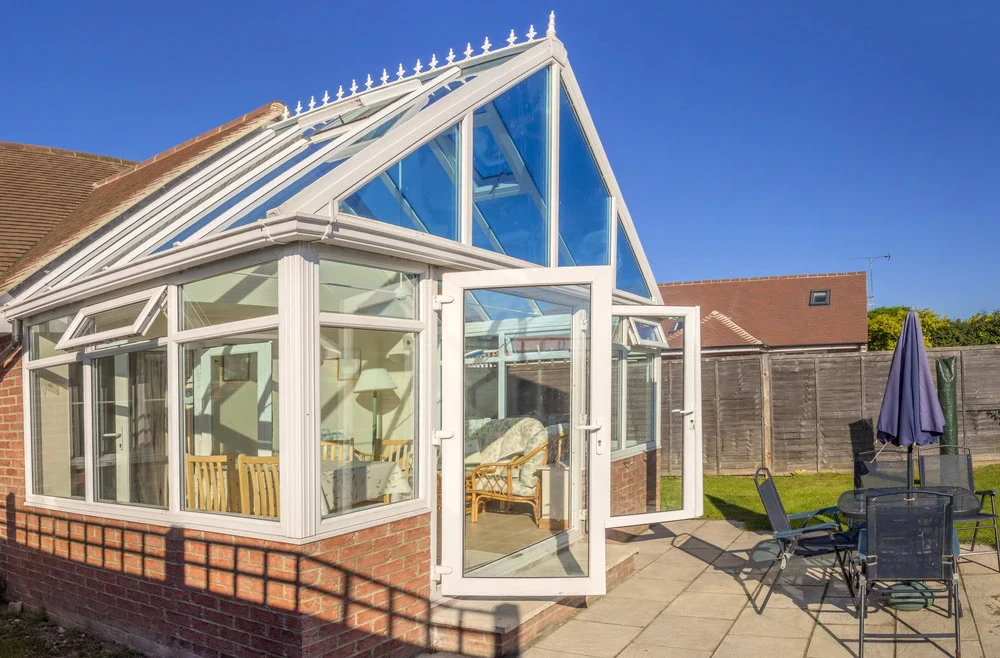
Gabled patio covers work beautifully with Colonial architecture. The pitched roofline echoes the home’s existing roof structure, creating visual continuity. If your Colonial features columns or pilasters, incorporating similar posts into your patio cover design reinforces the architectural theme. The goal is making the addition look like it was part of the original blueprint.
Solid roof patio covers also suit Colonial homes well, especially when the roofing material and color match your existing shingles. This creates a seamless extension rather than a contrasting addition. The cover becomes part of the home’s envelope instead of an afterthought tacked onto the back.
Material choice matters significantly with Colonial architecture. Aluminum patio covers with woodgrain finishes can provide the traditional appearance these homes require while delivering modern durability. White or cream-colored posts with classic trim details honor the Colonial aesthetic without requiring the maintenance that actual wood demands.
Consider the scale carefully. Colonial homes typically feature substantial proportions, so your patio cover needs adequate height and width to feel proportional. A cover that’s too small or delicate will look out of place against the home’s commanding presence. Work with the home’s existing lines—if your roofline sits at a particular pitch, matching that angle in your patio cover creates harmony.
The attachment point deserves attention too. Colonial homes often have detailed trim work around windows and doors. Your patio cover’s ledger board and flashing should integrate cleanly without disrupting these architectural features. Professional patio cover installation ensures the structural connection is sound while preserving the home’s character.
How to Choose Patio Shade Structures for Cape Cod Style Homes
Cape Cod homes present unique opportunities for patio cover design. These homes already embrace outdoor living with their coastal roots, and the right cover enhances that connection to nature.
The steep rooflines that define Cape Cod architecture create a specific challenge and opportunity. A patio cover attached just below the roofline can follow that same steep pitch, creating a natural extension. Alternatively, a lower-pitched cover that contrasts gently with the main roof can define the patio as its own space while still feeling connected.
Pergola-style covers work exceptionally well with Cape Cod homes. The open, airy design complements the style’s New England simplicity without adding visual weight. Cedar or aluminum with a wood finish brings warmth that suits the Cape Cod aesthetic. The filtered light through pergola beams creates that dappled shade perfect for coastal living.
For homeowners wanting more weather protection, solid patio covers can still work if designed thoughtfully. Keep the color palette consistent with your home’s exterior—Cape Cods typically feature neutral tones, weathered shingles, or painted siding in whites, grays, and coastal blues. Your patio cover should pull from this existing palette rather than introducing competing colors.
The casual, unpretentious nature of Cape Cod architecture means your patio cover can embrace simplicity. You don’t need elaborate details or ornate trim. Clean lines, quality materials, and proper proportions matter more than decorative flourishes. The cover should feel like a natural gathering space, not a formal addition.
Dormer windows are common in Cape Cod homes, and your patio cover design needs to work around these features. The cover shouldn’t block light from entering these windows or create awkward visual conflicts. Sometimes a freestanding cover positioned slightly away from the house works better than an attached design, preserving the home’s roofline integrity.
Consider how the patio cover interacts with your yard. Cape Cod homes often feature cottage gardens and natural landscaping. A cover that allows climbing plants or integrates with existing landscape features feels more authentic to the style than something that stands completely separate from its surroundings.
Patio Roofing Materials That Handle Long Island Weather
Long Island’s coastal location brings specific weather challenges that your patio cover needs to handle. Humid summers, occasional nor’easters, salt air near the coast, and temperature swings from season to season all take their toll on outdoor structures.
Material selection isn’t just about appearance—it’s about longevity. A beautiful patio cover that warps, fades, or requires constant maintenance becomes a burden instead of an asset. Understanding which materials hold up in our specific climate helps you make a choice you’ll be happy with years down the road.
The right material also depends on your maintenance preferences and budget. Some homeowners want zero upkeep and are willing to invest more upfront. Others enjoy maintaining wood and appreciate its natural warmth. There’s no universally correct answer, but there are better and worse fits for Long Island conditions.
Why Aluminum Covers Are Popular for Nassau and Suffolk County Homes
Aluminum patio covers have become increasingly popular across Nassau and Suffolk Counties for good reason. They handle Long Island’s climate without the maintenance headaches that other materials require.
The coastal humidity that affects much of Long Island doesn’t bother aluminum. Unlike wood, it won’t rot, warp, or become a home for insects. Salt air near the water can corrode some metals, but quality aluminum patio covers with proper powder-coat finishes resist this corrosion effectively. You’re not dealing with rust or deterioration the way you might with steel or iron.
Modern aluminum patio covers have moved far beyond the industrial look some homeowners remember. Today’s options include woodgrain finishes that mimic cedar, redwood, or oak while delivering aluminum’s practical benefits. You get the warm appearance of wood without the staining, sealing, or replacement that real wood demands. From a distance, many people can’t tell the difference.
Insulated aluminum patio covers take performance further. These systems sandwich foam insulation between aluminum panels, creating a roof that blocks heat more effectively than solid metal alone. During Long Island’s hot summers, this makes a noticeable difference in the comfort level beneath your cover. The space stays cooler, and if the patio is adjacent to your home, you’ll see reduced heat transfer into your interior rooms.
The structural strength of aluminum matters in our area. When storms roll through, your patio cover needs to stay put. Aluminum’s strength-to-weight ratio means you get a structure that’s both sturdy and not overly heavy. Proper engineering and installation are still essential, but the material itself performs well under wind loads and occasional snow.
Color options with aluminum are extensive. Whether your home features traditional white trim, earth-tone siding, or something more distinctive, you can find an aluminum finish that coordinates. The color is baked into the powder-coat finish, so it won’t peel or chip the way paint can. This means your patio cover maintains its appearance without periodic repainting.
Cost-wise, aluminum patio covers sit in the middle range. They’re more expensive than basic fabric awnings but typically less than premium wood construction. When you factor in the longevity and minimal maintenance, the total cost of ownership often makes aluminum the most economical choice over a 20-year period.
Design Features That Work Best for Ranch Home Deck Covers
Ranch homes present different design considerations than their two-story counterparts. These single-level homes emphasize horizontal lines, open floor plans, and a strong connection between indoor and outdoor spaces. Your patio cover should enhance these characteristics rather than fight against them.
The low-pitched rooflines typical of Ranch architecture suggest that your patio cover should follow suit. A flat or gently sloped cover feels more appropriate than a steeply pitched gable. This creates visual continuity with the home’s existing roofline and maintains the horizontal emphasis that defines Ranch style.
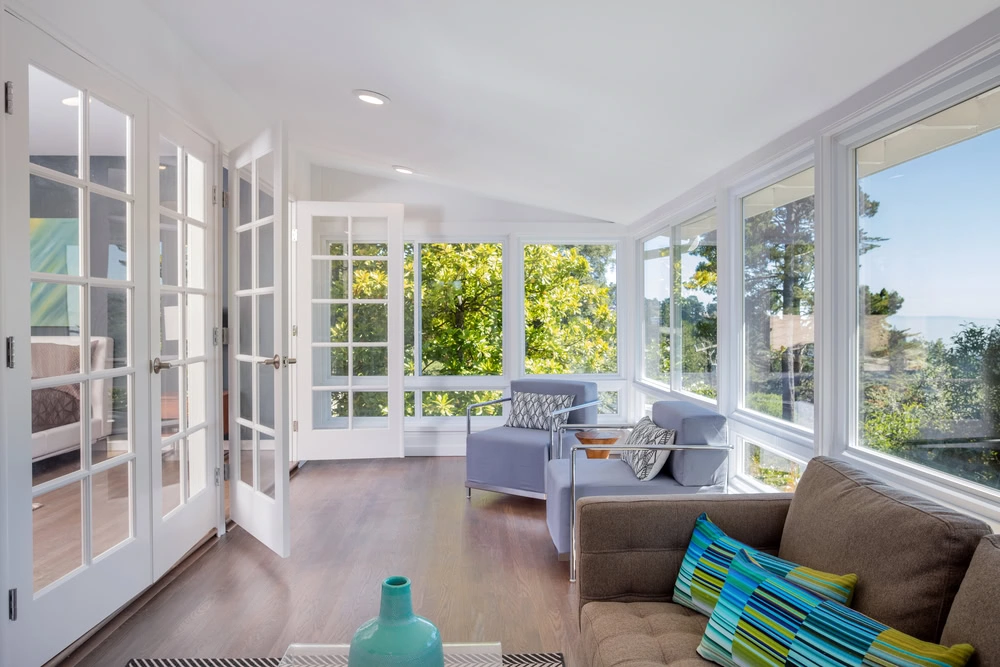
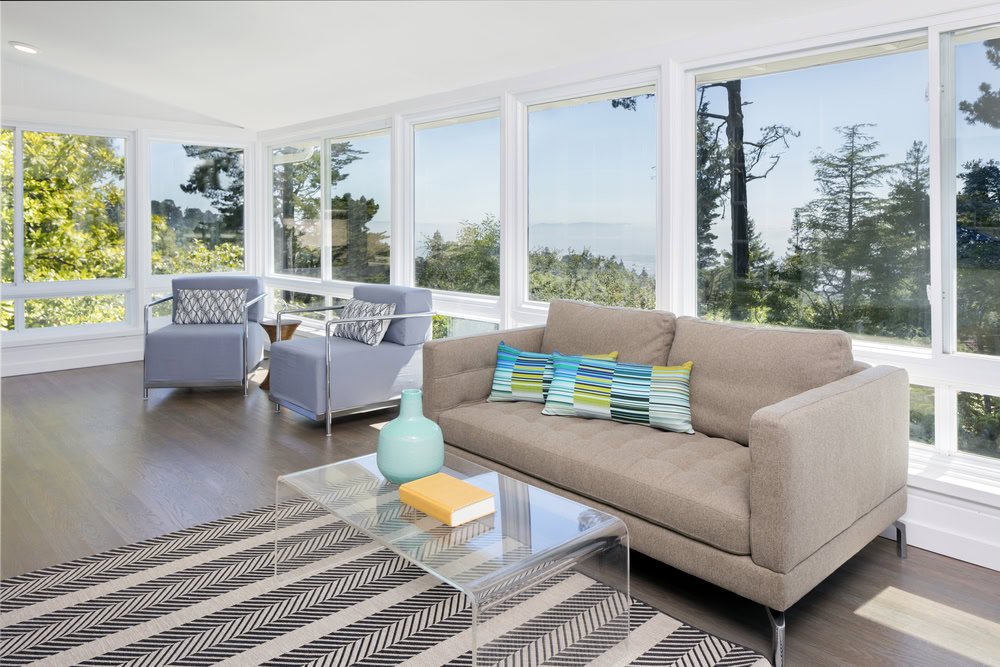
Ranch homes often feature large sliding glass doors or picture windows facing the backyard. Your patio cover becomes an extension of the interior living space visible through this glass. The design should feel like it flows naturally from inside to outside. When you’re sitting in your living room looking out, the patio cover should frame your view rather than blocking it.
Freestanding patio covers sometimes work better with Ranch homes than attached versions, particularly if the home sits low to the ground. An attached cover might feel too close to the roofline, creating a cramped appearance. A freestanding structure positioned a few feet from the house can provide shade and shelter while maintaining visual breathing room.
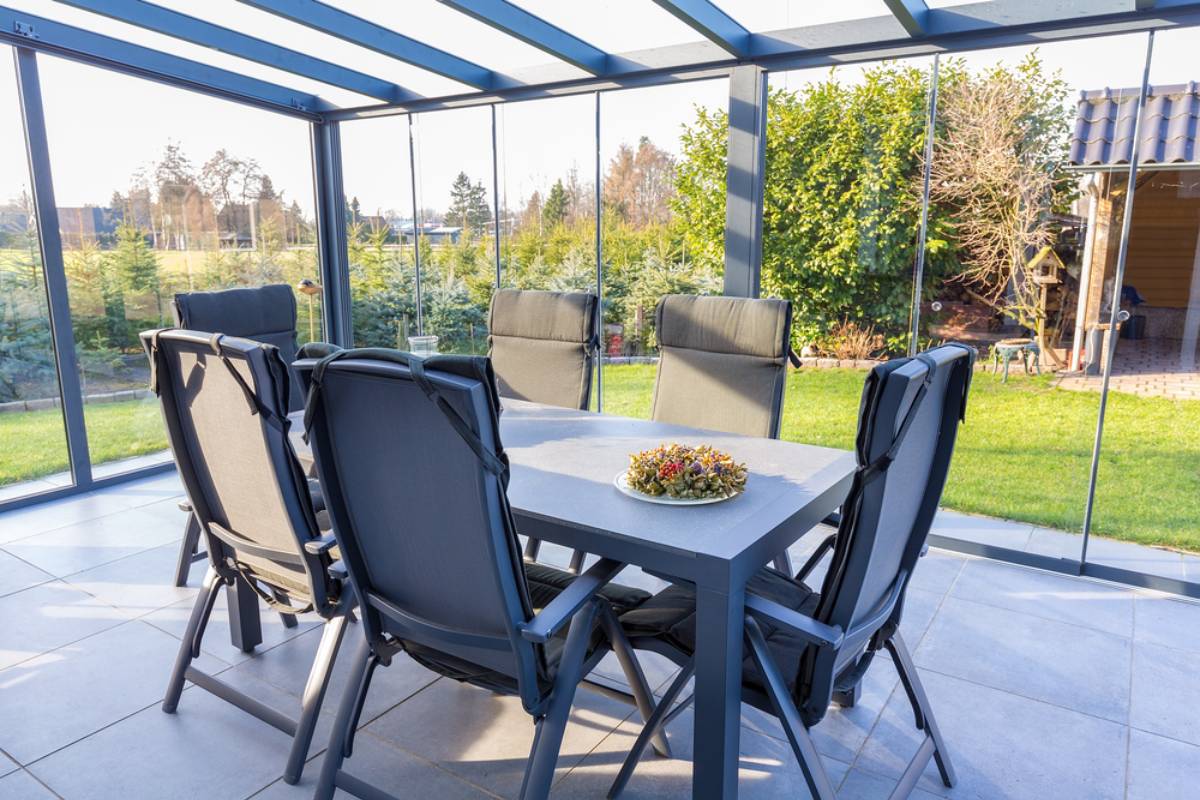
The simplicity that characterizes Ranch architecture means your patio cover doesn’t need elaborate details. Clean lines, minimal trim, and straightforward construction suit the style better than ornate features. A lattice patio cover or modern pergola with simple beams often complements Ranch homes beautifully without adding unnecessary complexity.
Material choices for Ranch-style patio covers should consider the home’s existing exterior. Many Ranch homes feature brick, horizontal siding, or stucco. An aluminum patio cover in a color that coordinates with your trim or siding creates cohesion. If your Ranch has wood siding, a patio cover with wood-tone finishes ties the addition to the original structure.
The open floor plans inside Ranch homes often mean that multiple rooms connect to the outdoor space. Your patio cover might be visible from the kitchen, dining room, and living room simultaneously. This visibility means the cover’s appearance matters from multiple angles and viewpoints. Walk through your home and consider how the patio cover will look from each interior space before finalizing your design.
Lighting integration works particularly well with Ranch-style patio covers because of the strong indoor-outdoor connection. Recessed lights or ceiling fans mounted in the patio cover create an outdoor room that feels like a natural extension of your interior. This makes the covered patio usable during evening hours and enhances the sense that it’s additional living space rather than just a backyard structure.
Finding the Right Patio Cover for Your Home's Style
Your home’s architecture should guide your patio cover choice, not limit it. Whether you’re working with Colonial formality, Cape Cod charm, or Ranch simplicity, there’s a patio cover style and material combination that enhances what you already have.
The investment in a well-designed patio cover pays off in extended outdoor living, increased property value, and years of low-maintenance performance. But those benefits only materialize when the cover actually fits your home’s design and Long Island’s climate demands.
If you’re ready to explore patio cover options that work with your specific home style, we bring nearly 50 years of experience designing custom outdoor living solutions for Long Island homeowners. Our team understands the architectural diversity across Nassau and Suffolk Counties and can help you choose a patio cover that looks like it belongs.