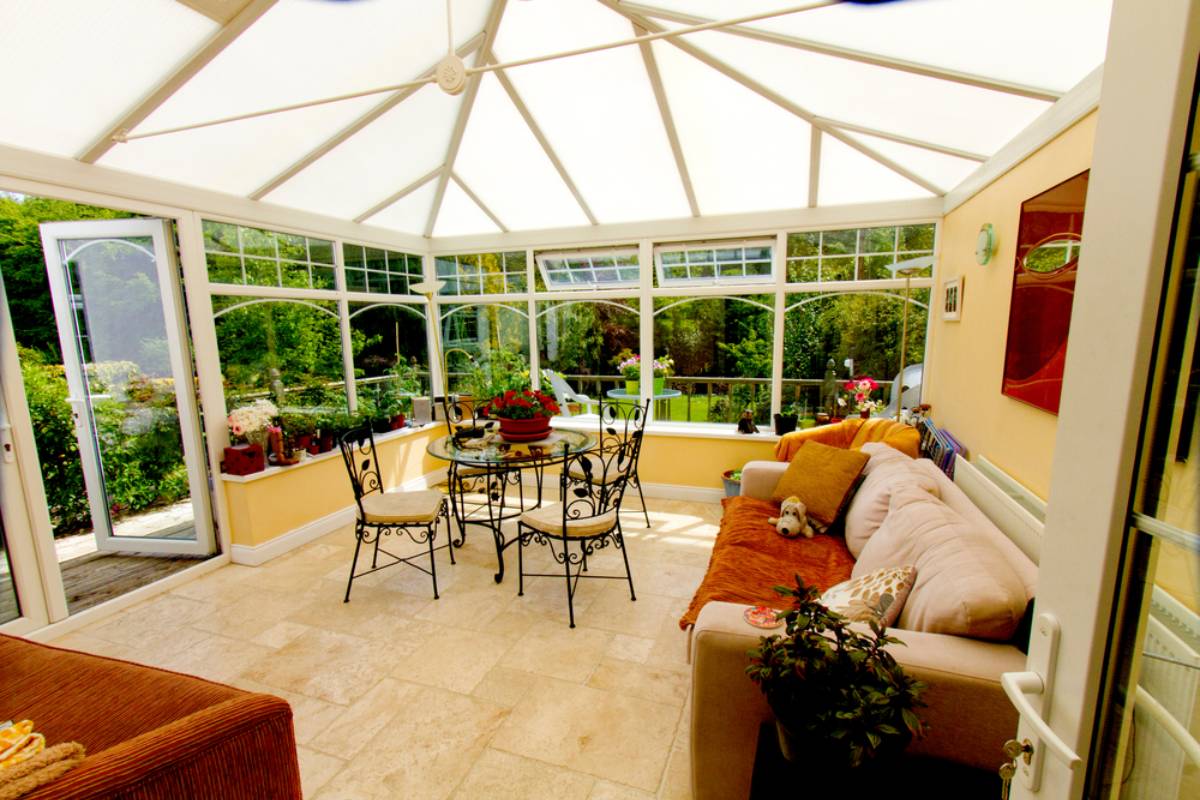
Summary:
What Makes All Season Sunrooms Different from Regular Sunrooms
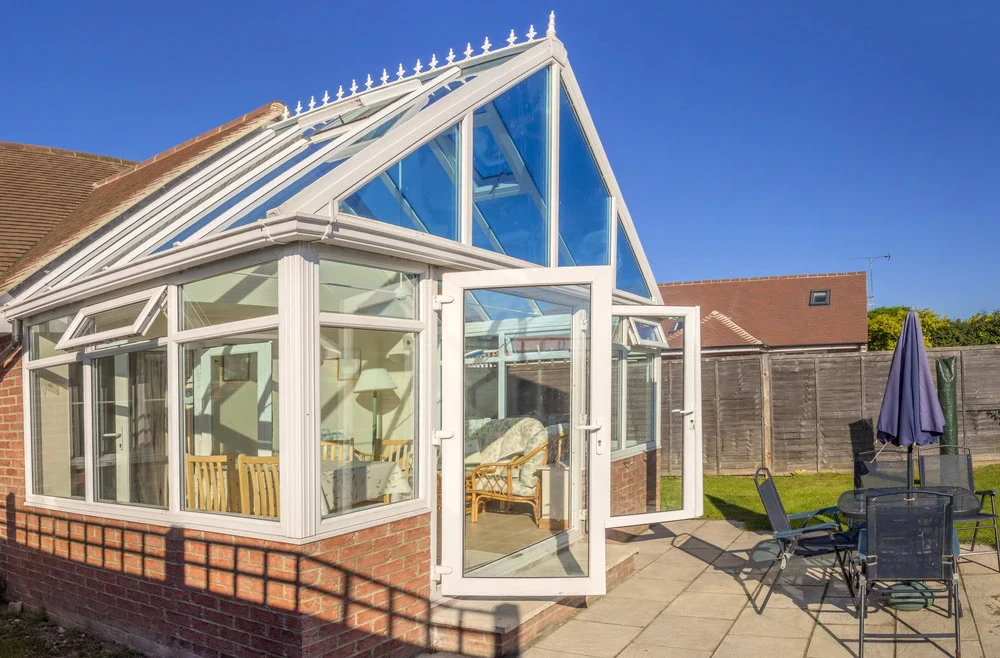
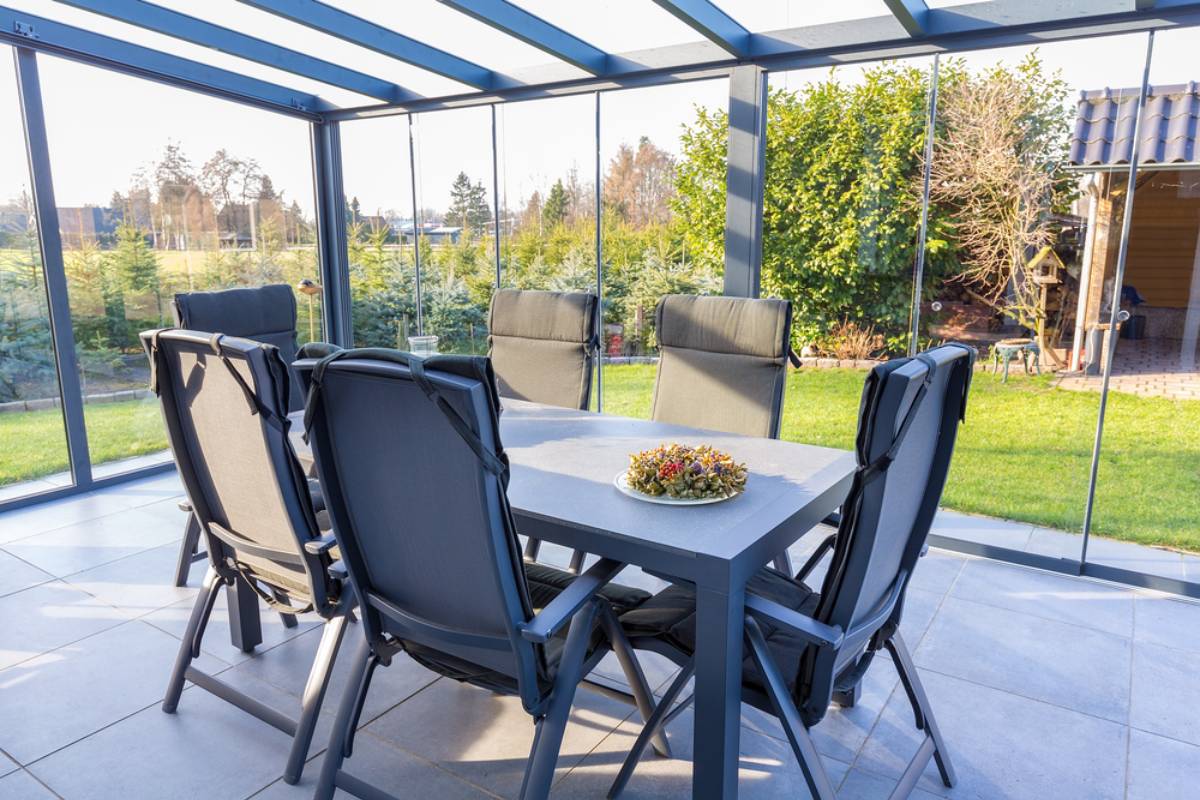
The difference between a regular sunroom and an all season sunroom comes down to one critical factor: climate control. Regular three-season sunrooms work great from spring through fall, but become unusable during Long Island’s harsh winters.
All season sunrooms feature full insulation, weatherproofing, and HVAC integration. This means you can enjoy your morning coffee while watching snow fall, or escape the summer heat without losing that connection to your outdoor space. The investment in proper climate control transforms a seasonal luxury into a year-round living space.
How All Season Sunrooms Handle Long Island's Weather Extremes
Long Island’s weather throws everything at your home. From nor’easters that dump feet of snow to humid summers that make outdoor entertaining miserable, your sunroom needs to handle it all.
All season sunrooms use advanced materials and construction techniques specifically designed for these challenges. High-performance glass helps regulate interior temperature, keeping your space cool during those sweltering July afternoons and warm when February winds are howling outside. Proper insulation in the walls and ceiling ensures your heating and cooling systems work efficiently, not against the elements.
The structural integrity matters too. These rooms are built to withstand heavy snow loads, high winds, and the thermal expansion that comes with temperature swings. You’re not just getting a glass room – you’re getting a properly engineered addition that becomes a true extension of your home’s living space.
Weather protection goes beyond just temperature control. Quality all season sunrooms feature proper drainage systems to handle heavy rains, weatherstripping that prevents drafts, and impact-resistant glass that can handle everything from hail to flying debris during storms.
The Real Cost of Cheaper Three-Season Alternatives
Many homeowners initially consider three-season sunrooms because of the lower upfront cost. But here’s what that “savings” actually costs you over time.
First, you lose four months of usability every year. During Long Island’s coldest months, your three-season room becomes expensive storage space. You’re paying for square footage you can’t actually live in. When you calculate the cost per month of actual use, that “budget-friendly” option starts looking expensive.
Then there’s the comfort factor during shoulder seasons. Even in late fall and early spring, three-season rooms can be uncomfortably cold or require space heaters that drive up your electric bill. You end up with a space that’s only truly comfortable for about six months of the year.
The bigger issue is what happens to your investment. When it’s time to sell your home, buyers recognize the difference. A three-season room is seen as a nice-to-have amenity. An all season sunroom is viewed as additional living space – and priced accordingly. The return on investment reflects this perception, with all season sunrooms typically providing much stronger value appreciation.
Consider the missed opportunities too. How many winter mornings could you have enjoyed with your coffee and the newspaper, watching snow fall while staying perfectly warm? How many spring evenings could you have entertained guests without worrying about the weather? These aren’t just comfort issues – they’re lifestyle benefits that compound over years of ownership.
Maximizing Your Investment: Design and Functionality Considerations
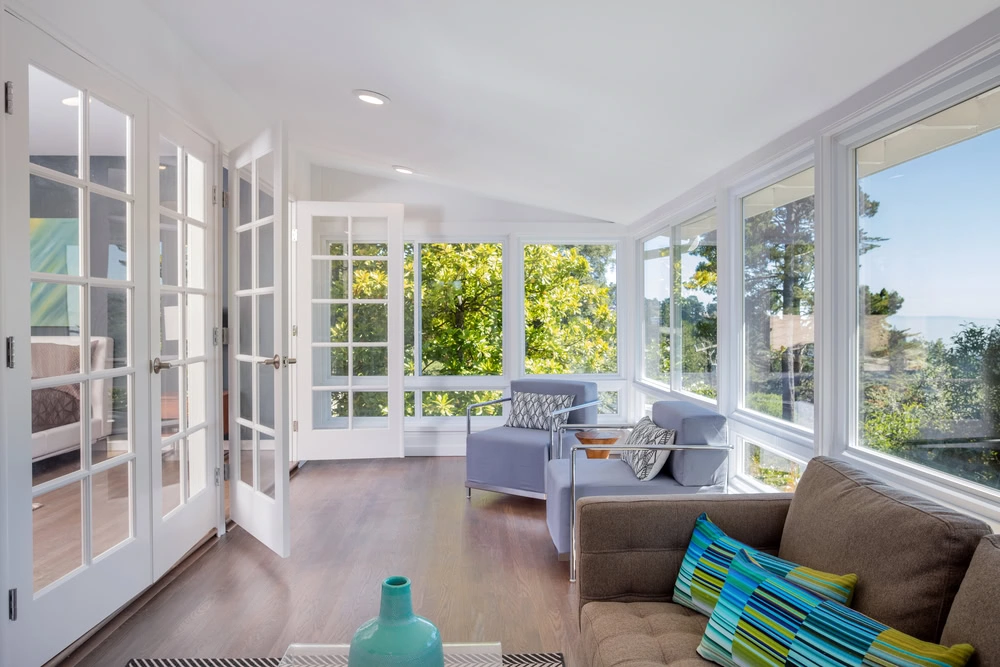
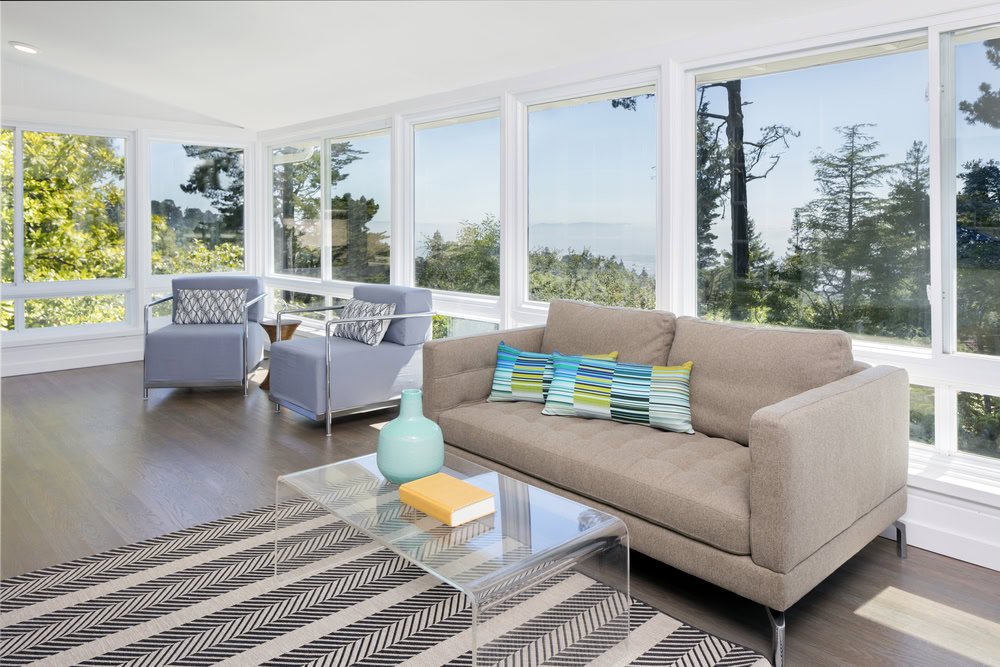
Your all season sunroom should feel like a natural extension of your home, not an obvious add-on. The key is thoughtful design that considers both your home’s architecture and your family’s lifestyle needs.
Start with how you actually plan to use the space. Will this be your morning coffee spot, an entertainment area for guests, a home office with natural light, or a combination? Your intended use drives everything from electrical planning to furniture layout to climate control zones.
Navigating Nassau and Suffolk County Permit Requirements
Every sunroom project in Nassau and Suffolk Counties requires proper permits, and the process can be more complex than homeowners expect. Each township has its own building department with specific requirements, and what’s approved in one area might not fly in another.
The permit process typically involves structural plans, electrical permits for any wiring or outlets, and potentially plumbing permits if you’re adding water features or a wet bar. Some projects also require zoning variances, especially if your sunroom affects setback requirements or lot coverage limits.
Working with experienced contractors who understand local requirements saves you time and prevents costly delays. We know which building officials prefer which types of documentation, how to navigate the approval process efficiently, and how to avoid common pitfalls that can stall your project for weeks.
The cost of permits varies by township but typically ranges from $300 to $1,000 depending on project scope. While this might seem like an unnecessary expense, proper permits protect your investment. Unpermitted work can create problems when you sell your home, potentially requiring expensive retroactive approvals or even removal of the structure.
Don’t underestimate the inspection process either. Building inspectors will check everything from foundation work to electrical connections to final finishes. Having contractors who understand what inspectors look for ensures your project passes each phase without delays or required corrections.
Energy Efficiency and Long-Term Operating Costs
The most expensive sunroom isn’t the one with the highest upfront cost – it’s the one with poor energy efficiency that costs you hundreds of dollars every year in heating and cooling bills.
High-performance glass makes the biggest difference in operating costs. Advanced glazing systems can reduce solar heat gain in summer while retaining warmth in winter. This means your HVAC system doesn’t have to work overtime to maintain comfortable temperatures, keeping your energy bills reasonable year-round.
Proper insulation in walls, ceiling, and even the floor makes a dramatic difference. Many homeowners are surprised to learn that inadequate floor insulation can account for significant heat loss, especially in sunrooms built over concrete slabs or elevated decks.
The orientation of your sunroom affects energy efficiency too. South-facing rooms get maximum winter sun but can overheat in summer without proper shading or glass selection. East-facing rooms are perfect for morning coffee but might need additional heating for evening use. We factor in your home’s positioning and your usage patterns when designing the space.
Consider the integration with your home’s existing HVAC system. Some sunrooms can be effectively heated and cooled by extending your current system, while others benefit from dedicated mini-split systems that provide precise temperature control without affecting the rest of your home’s comfort.
Smart design choices like ceiling fans, operable windows for natural ventilation, and retractable awnings can reduce your reliance on mechanical heating and cooling, further improving your sunroom’s efficiency and your long-term operating costs.
Making Your All Season Sunroom Dream a Reality
An all season sunroom transforms how you experience your Long Island home. It’s the space where you’ll start countless mornings, entertain friends and family, and create memories that last for decades. More than just an addition, it’s an investment in your daily quality of life.
The key to success is working with contractors who understand both the technical requirements and the lifestyle benefits you’re seeking. From navigating local permits to selecting the right materials for Long Island’s climate, every detail matters in creating a space you’ll truly love using year-round.
Ready to explore how an all season sunroom could enhance your home? We bring nearly five decades of experience to every project, ensuring your investment delivers both the comfort and value you deserve.