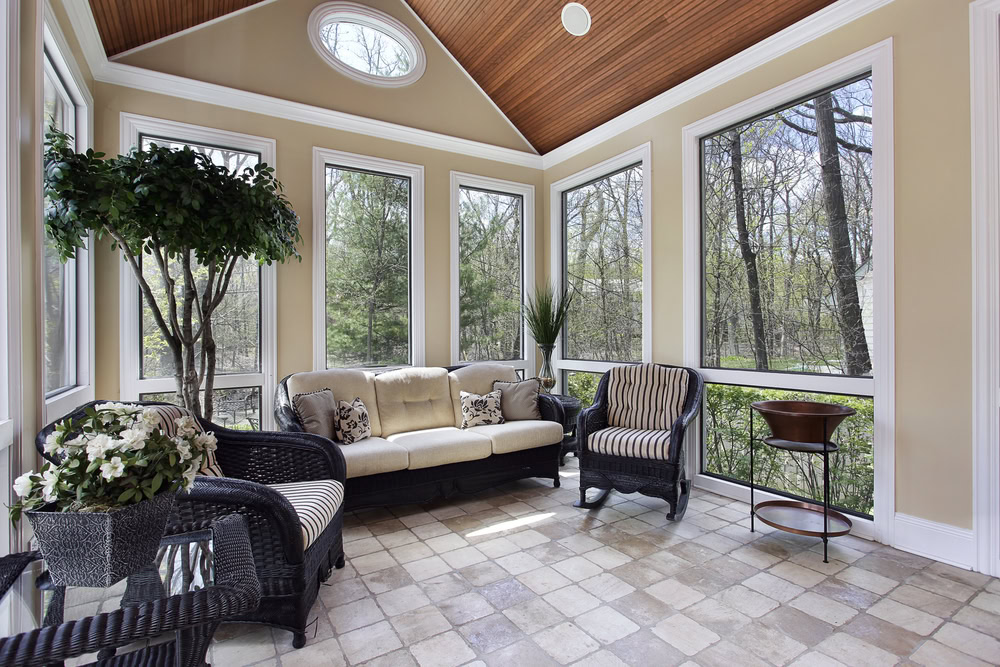
Summary:
You’re tired of watching the seasons change from inside your house. You want space where morning coffee comes with natural light and backyard views—without the bugs, humidity, or unpredictable weather that makes Long Island outdoor living frustrating half the year. A sunroom addition sounds perfect until you start researching what it actually takes.
Suddenly you’re sorting through permit requirements, trying to understand the difference between a three season sunroom and a year-round option, and wondering if the cost of sunroom addition projects makes sense for your budget. Here’s what Nassau County homeowners actually need to know—real costs, permit realities, and how to choose the right type for how you’ll use the space.
All Season Sunroom vs Three Season Sunroom for Nassau County
The biggest decision isn’t about style or size. It’s how many months you want to use your new space, and that choice determines your budget, return on investment, and whether you’ll need HVAC work.
An all season sunroom handles year-round use. Insulated glass, connection to your heating and cooling system, and proper construction for Nassau County’s humid summers and cold winters mean the space stays comfortable every month. A three season sunroom costs less upfront but works spring through fall—it lacks insulation and climate control for winter comfort.
Most Long Island homeowners choose four season options because the climate swings too much to settle for nine months of use. When you’re investing in additional square footage, you want it functional year-round, not sitting empty when temperatures drop.
How to Build a Sunroom for Long Island Coastal Weather
Long Island’s coastal climate challenges outdoor structures. Salt air from the Atlantic, humidity that promotes mold, freeze-thaw cycles, and UV exposure all take their toll. A sunroom that lasts here needs to account for every condition.
Framing material matters more than most people realize. Aluminum holds up better than wood in coastal environments—no rot, minimal maintenance, and it handles salt air without corroding. Look for powder-coated finishes and materials rated for marine applications. We use aluminum with natural wood grain finishes that give you the look of wood without the maintenance headaches.
Glass selection determines whether your space stays comfortable or becomes unusable. Double-pane insulated glass is minimum for Nassau County. Low-E coatings reflect summer heat while keeping warmth inside during winter. Without proper glazing, you’ll spend a fortune on climate control or simply avoid using the space when temperatures swing.
Foundation and drainage make or break long-term performance. Long Island gets significant rainfall, and water needs somewhere to go. Professional installation includes proper grading, integrated gutter systems, and foundation work that prevents settling or water intrusion. Skipping these steps creates expensive problems—leaks, mold, structural issues that cost more to fix than doing it right initially.
Roof design affects both durability and comfort. Solid roofs with proper insulation work better for year-round use than glass ceilings, which create temperature nightmares in our climate. If you want maximum natural light, strategically placed skylights work better than fully glass roofs that turn your sunroom into a greenhouse.
HVAC integration separates true four season additions from glorified porches. That means running ductwork, which requires planning during construction—not something you can easily retrofit. Electrical work for lighting, outlets, and ceiling fans needs to meet code and requires licensed professionals who understand Nassau County requirements.
3 Season Sunroom Cost vs 4 Season: What You're Paying For
The price difference between three season and four season sunrooms isn’t just materials. It’s complexity, functionality, and how the space integrates with your home. Understanding where money goes helps you decide what’s worth it.
A 3 season sunroom cost in Nassau County runs $80 to $230 per square foot. That includes single or double-pane glass, aluminum framing, a roof, and basic construction. You’re not paying for insulation, HVAC connections, or engineering required for year-round climate control. For 200 square feet, expect $16,000 to $46,000.
Four season sunrooms cost $200 to $400 per square foot because you’re building an actual room addition. The same 200 square feet runs $40,000 to $80,000, including insulated glass, thermal breaks in framing, proper wall and ceiling insulation, HVAC integration, and electrical work meeting building codes for conditioned living space.
Installation costs also depend on your starting point. Building on existing concrete patios saves thousands compared to pouring new foundations. Tying into your home’s roofline adds structural complexity. More foundation work, roof modifications, or HVAC extensions mean higher totals.
Long Island labor costs run 30 to 50 percent higher than national averages. You’re paying for licensed contractors who understand local codes, handle permits correctly, and know coastal construction. That expertise prevents mistakes that cost more to fix than hiring professionals initially.
Hidden costs add up without preparation. Nassau County permits run $300 to $1,000 depending on scope. Site prep might include tree removal, grading, or utility work. If your HVAC system can’t handle additional square footage, you might need upgrades.
The sun porch addition cost typically runs lower than full sunrooms because they’re less enclosed and don’t require the same climate control. But for year-round Nassau County functionality, you’ll wish you’d invested in the four season option.
Sunroom Addition Cost in Nassau County: Real Project Numbers
The cost of sun room addition projects in Nassau County ranges from $25,000 to $80,000 for most homeowners, with high-end custom builds exceeding $100,000. Where you land depends on size, type, materials, and property-specific work requirements.
Size drives cost more than anything. A 12×12 sunroom (144 square feet) at $200 per square foot runs $28,800. A 16×24 space (384 square feet) at the same rate costs $76,800. Most Nassau County projects fall between 150 and 300 square feet, putting typical four season investments at $30,000 to $75,000.
Material choices create significant price differences. Standard aluminum framing with vinyl windows costs less than premium options with wood-grain finishes and top-tier glass packages. But in Long Island’s coastal environment, cheaper materials mean more maintenance and shorter lifespan.
Cost of Sunroom Installation: What's Included vs What's Extra
Understanding what’s in your sunroom cost estimates prevents surprises when final bills arrive. Professional quotes should break down materials, labor, permits, and site work separately so you know exactly what you’re paying for.
Materials typically account for 40 to 60 percent of total cost—framing, glass, roofing, insulation, doors, and finishing materials. Labor makes up 25 to 40 percent: framing, installation, HVAC work, electrical, and finishing. The remaining percentage covers permits, site prep, and project management.
Foundation work varies dramatically. Building on existing concrete patios in good condition might cost nothing extra. New foundations run $4,000 to $8,000 for 200-square-foot slabs including grading and gravel base. Pier foundations or elevated decks cost more.
HVAC integration isn’t just running a duct. It might require extending systems, adding zones, or upgrading capacity if current setups can’t handle additional square footage. That work runs $1,500 to $5,000 depending on complexity and distance from existing equipment.
Electrical work includes outlets, lighting, switches, and possibly ceiling fan wiring. Basic electrical runs $800 to $2,000 for most projects. Adding features like built-in speakers, smart home integration, or extensive lighting increases costs.
Permits and inspections in Nassau County aren’t optional. Budget $300 to $1,000 for building permits, plus time for plan review and inspections at various stages. We handle this process for you, but it affects timeline and total cost.
Site preparation might include removing existing structures, clearing vegetation, addressing drainage, or dealing with underground utilities. Costs vary based on property condition. Simple, clear sites might need nothing. Challenging locations could add $5,000 or more.
Finishing touches—flooring, paint, trim, window treatments—sometimes get left out of initial quotes. Clarify whether estimates include everything for move-in ready spaces or if you’ll handle some finishing separately.
Sunroom Cost Estimates: Getting Accurate Numbers for Your Project
Generic online calculators give ballpark figures, but accurate sunroom prices estimate for your specific project requires professional evaluation. Your home’s layout, existing conditions, and local requirements all affect final numbers.
Start by understanding goals. Do you want a morning coffee spot or full family room? Year-round use or seasonal? How the space connects to your home matters—sunrooms flowing from kitchens or living rooms add more value than ones accessed through back hallways.
Get multiple quotes, but don’t just compare bottom lines. Look at what’s included, material quality, warranty coverage, and whether contractors handle permits and inspections. Lowest bids often leave out things you’ll pay for anyway.
Ask about financing before assuming projects are out of reach. We offer financing options that make investments manageable. Our programs include 100% unsecured financing with competitive rates as low as 6.49%, no application fees, and quick approvals. That can turn $50,000 projects into affordable monthly payments.
Consider return on investment beyond resale value. Sunroom additions typically recoup 49 to 70 percent of cost when selling homes. But real value is years of use before selling—extra living space, natural light, places your family wants to spend time. That daily benefit has value even if it doesn’t show in appraisals.
Factor in what you’re not spending on alternatives. Traditional room additions cost significantly more per square foot. Building out instead of up avoids some foundation costs but still requires full construction. Sunrooms deliver similar square footage at lower cost because they use pre-engineered glass systems and simpler construction.
Think about property tax implications. Adding square footage increases assessed value, affecting property taxes. In Nassau County, that’s real. But you’re also getting more usable space and home value, so it’s investment that changes what your property offers, not just expense.
Custom Sunroom Options: Solariums, Conservatories & Room Extensions
Not all sunroom additions look the same. Understanding different styles helps you choose what fits your home’s architecture and how you’ll use the space. Each option offers distinct benefits and comes with different cost considerations.
Custom sunroom designs range from simple three season rooms to elaborate conservatories. The right choice depends on your budget, climate control needs, and aesthetic preferences. Most Nassau County projects fall into a few main categories, each with specific features and price points.
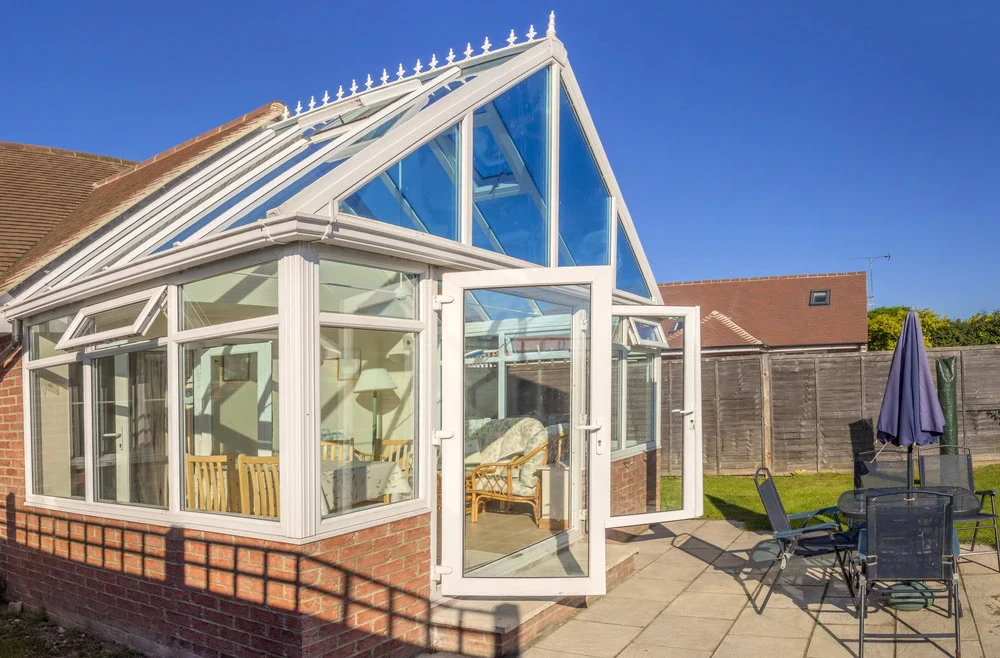
Solarium additions feature glass roofs in addition to glass walls, creating greenhouse-like spaces with maximum natural light. They’re beautiful and dramatic but require careful planning for temperature control in Long Island’s climate. The abundance of glass means higher heating and cooling costs unless you invest in premium glazing and proper HVAC integration.