Summary:
What's the Real Difference Between a Solarium and a Sunroom?
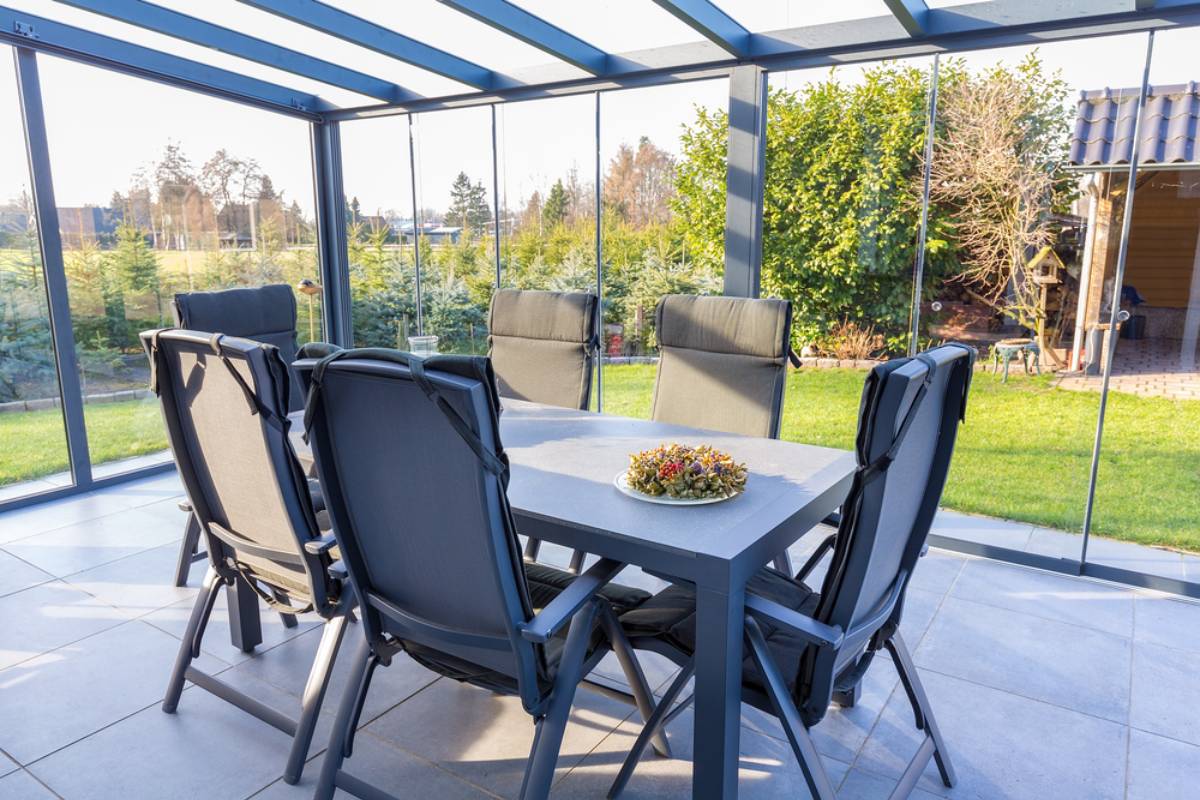
The terms sound fancy, but the difference comes down to how much glass you’re dealing with and what that means for actually using the space. A solarium is essentially a glass box—walls, roof, everything. It’s designed to maximize sunlight from every angle. A sunroom, on the other hand, blends large windows with insulated walls and typically features a solid or partially glass roof.
That distinction matters more than you might think, especially in Long Island’s climate. Solariums let in maximum light and give you unobstructed views, which sounds great until you’re dealing with humid July afternoons or freezing January mornings. Four-season sunrooms balance natural light with temperature control, using structural walls and proper insulation to keep the space comfortable year-round. Most sunrooms are easier to maintain too, simply because there’s less glass to clean and fewer surfaces exposed to the elements.
If you want a space that feels like you’re outside while still being inside, both options can deliver. But one does it with built-in climate control, and the other requires significant investment in HVAC systems just to make it livable beyond spring and fall.
How Solariums Handle Nassau and Suffolk County's Climate
A solarium is built for maximum sun exposure. The entire structure—walls and roof—is made of glass, which means you’re getting natural light from every direction. It’s stunning to look at and creates an immersive outdoor experience without stepping outside. The glass is typically thicker than what you’d find in a greenhouse, designed to let the sun warm the space even during colder months.
But here’s the reality for Long Island homeowners. Nassau County and Suffolk County don’t have mild climates. Summers get hot and humid, with temperatures regularly hitting the 80s and 90s. Winters can drop below freezing for weeks at a time. A solarium without serious climate control becomes a greenhouse in July and an icebox in January.
That all-glass construction creates real challenges. You’re losing and gaining heat faster than in any other part of your house. More glass means more energy transfer, which translates to higher heating and cooling costs if you want to use the space comfortably. You’ll need advanced HVAC systems to maintain a livable temperature, and that’s an ongoing expense on top of your initial investment.
Maintenance is another factor that catches homeowners off guard. Every surface is glass, which means every surface shows dirt, water spots, and fingerprints. If you’ve got trees nearby—common in Long Island’s residential neighborhoods—you’re cleaning constantly. Pollen in spring, leaves in fall, salt spray if you’re near the water. If you don’t stay on top of it, the space starts looking neglected fast, and those stunning views you paid for get obscured.
Solariums work beautifully as a showpiece—a space for plants, a bright spot to read on a spring morning, or a dramatic architectural feature that impresses guests. But if you’re planning to use this as a dining room, home office, or everyday living space, you need to factor in the cost and effort of keeping it functional year-round. It’s possible, but it’s not passive. You’re committing to active climate management and regular upkeep.
Why Four-Season Sunrooms Work Better for Year-Round Use in Long Island
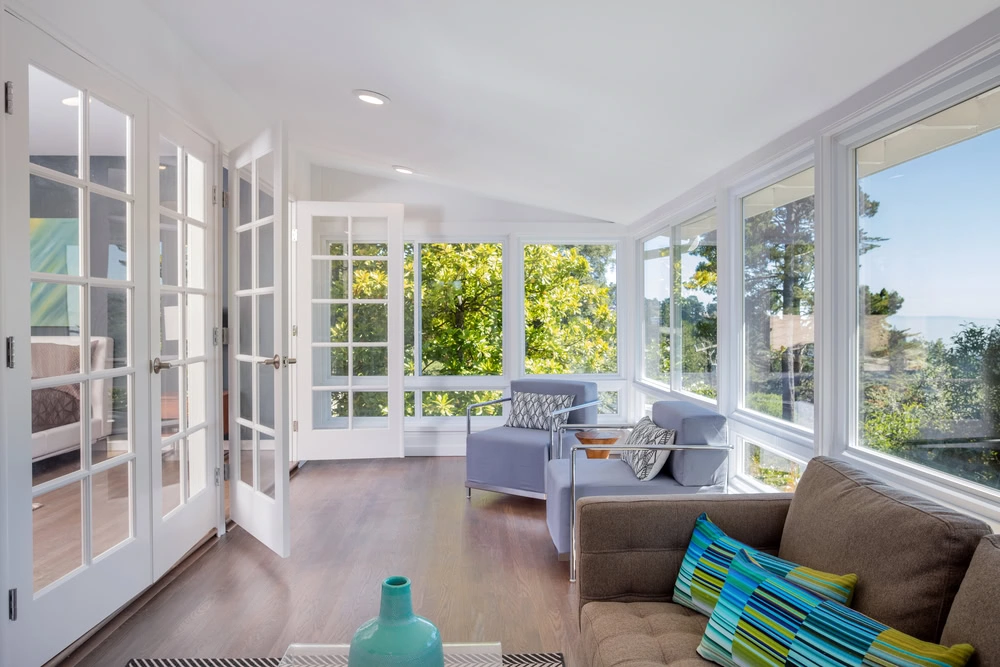
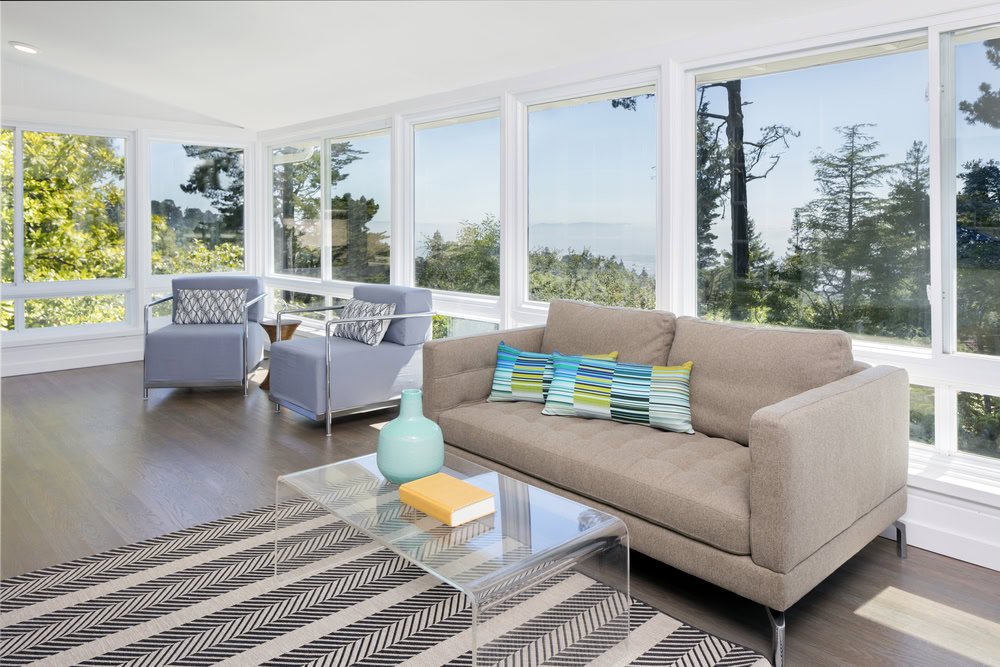
A four-season sunroom is built differently from the ground up. Instead of glass everywhere, you’re working with insulated walls, energy-efficient windows, and a solid or partially glazed roof. The goal isn’t just flooding the space with light—it’s creating a patio enclosure that functions like the rest of your home, regardless of what’s happening outside.
The insulation makes all the difference. Four-season sunrooms are designed to be heated and cooled just like any other room in your house. You can tie them into your existing HVAC system, which means the temperature stays consistent without spiking your utility bills. You’re not fighting Long Island’s weather—you’re controlling it. That matters when you’re dealing with humid summers and cold winters that can last from November through March.
That makes these spaces genuinely usable all year. You can set up a dining table and host Thanksgiving dinner with a view of your backyard. You can turn it into a home office and work comfortably through a snowstorm without worrying about frozen pipes or drafts. You can use it as a family room where the kids play in February without everyone bundling up in sweaters. It’s not a seasonal bonus—it’s actual living space that adds value to how you use your home every single day.
The construction also tends to hold up better in Long Island’s climate. With less exposed glass and more structural support, four-season sunrooms handle weather swings without as much wear and tear. You’re not constantly cleaning glass or worrying about leaks during heavy rain or nor’easters. The materials are built to last, and the maintenance is closer to what you’d expect from a regular room addition—minimal and manageable.
There’s also the privacy factor that matters in Nassau County and Suffolk County’s residential neighborhoods. All that glass in a solarium can make you feel exposed, especially if you have neighbors nearby or your property faces the street. Sunrooms give you the option to balance windows with solid walls, so you still get the light and views without feeling like you’re living in a fishbowl.
If your goal is to add functional square footage that you’ll actually use—not just admire—a four-season sunroom delivers. It’s comfortable, practical, and designed for real life, not just perfect weather days.
Understanding Conservatories and Three-Season Rooms for Long Island Homes
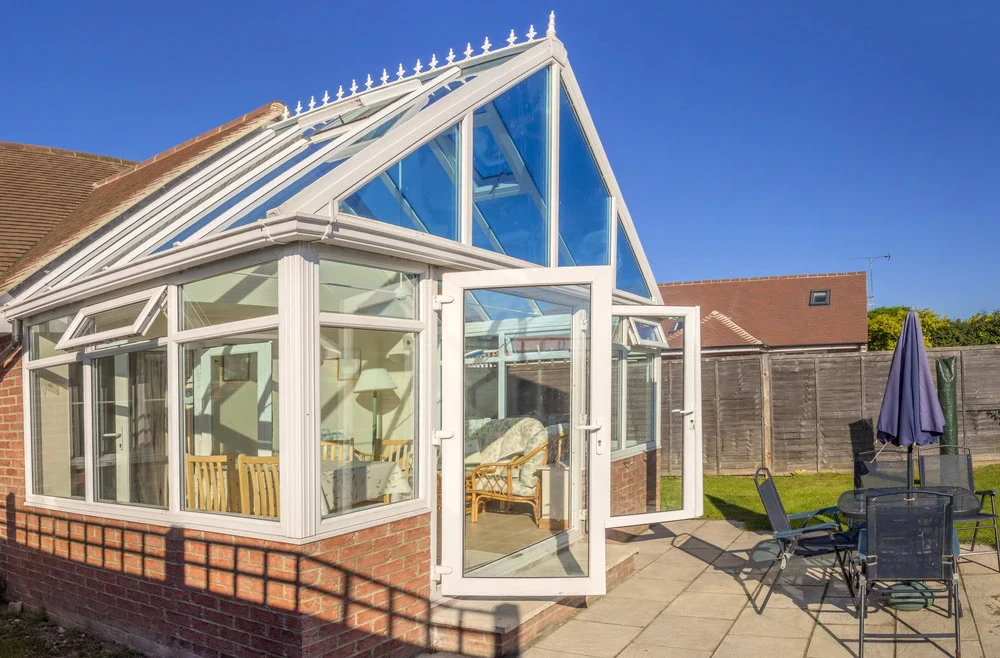
Conservatories and three-season rooms sit somewhere between solariums and four-season sunrooms, and they each have their place depending on what you’re trying to accomplish with your patio enclosure. A conservatory is glass-forward—usually full-height windows and a glass roof—but it’s more about elegant design and architectural character than pure sunlight exposure. Think European charm with a focus on aesthetics and creating a distinctive space.
Three-season rooms are simpler and more budget-friendly. They’re designed for spring, summer, and fall use, with enough insulation and windows to be comfortable when the weather’s mild. But once winter hits in Long Island, they’re too cold to use without adding space heaters, and even then, it’s not ideal for extended periods. They’re a middle-ground option if you want more space without the full investment of a year-round sunroom addition.
Both have their appeal, but they come with limitations. If you’re spending money on a glass addition in Nassau County or Suffolk County, you want to use it more than half the year. That’s where understanding the real-world performance of these options becomes critical.
When a Conservatory Makes Sense for Your Long Island Property
A conservatory is about style as much as function. These structures are known for their bright, airy feel and elegant architectural character that can make your home stand out in the neighborhood. You’re getting more natural light than a typical sunroom, but less insulation than a true four-season space. The glass roof and full-height windows create a stunning visual impact, but they also mean you’re dealing with more temperature fluctuations throughout the year.
Conservatories can work year-round in Long Island, but only if you invest in the right materials and systems upfront. You’ll need insulated glass, proper HVAC integration, and careful attention to how the space connects to your home’s existing heating and cooling. Without that, you’re looking at a room that’s gorgeous in May and unbearable in August when the afternoon sun turns it into a greenhouse.
The maintenance is similar to a solarium—lots of glass means lots of cleaning. You’ll also need to think about UV protection for furniture and flooring, because all that sunlight can cause fading over time. It’s not a dealbreaker, but it’s something to plan for when you’re choosing materials and furnishings for the space.
Where conservatories shine is in creating a distinct space that feels special and adds architectural interest to your property. If you want a sunroom installation that stands out visually and you’re willing to put in the effort to make it functional year-round, a conservatory can be a beautiful addition. But it’s not a low-maintenance choice, and it’s not the most practical option if your priority is everyday usability without constant upkeep.
For most Long Island homeowners, a conservatory makes sense when aesthetics are the top priority and you’re prepared to invest in the climate control systems that make it livable. If you’re looking for something simpler and more straightforward that you can use without thinking about it, a four-season sunroom is the better bet.
Why Three-Season Rooms Fall Short in Long Island's Climate
Three-season rooms are popular because they’re more affordable than four-season options, and they give you a comfortable space for most of the year. The problem is “most of the year” in Nassau County and Suffolk County still leaves you with several months where the room sits empty and unused.
These patio enclosures typically have large windows or screens and some basic insulation, but they’re not built for extreme temperatures. They work well from April through October, giving you a solid six or seven months of use. But once November rolls around, the room gets too cold to enjoy comfortably. And if you try to heat it with space heaters, you’re fighting a losing battle because the insulation isn’t designed to hold warmth efficiently.
The same issue happens in reverse during the hottest summer days in Long Island. Without proper cooling and ventilation, a three-season room can turn into a sauna by mid-afternoon when the sun is beating down. You’re limited to using it during the cooler parts of the day, which defeats the purpose of having extra living space available whenever you want it.
If you’re investing in a patio enclosure or sunroom addition, you want it to add value and functionality to your home. A three-season room does that for part of the year, but it’s not a space you can count on every day. You’re paying for square footage that sits unused for months at a time, which doesn’t make financial sense when you consider the initial investment.
For Long Island’s climate, where winters are genuinely cold and summers can be humid and uncomfortable, a three-season room is a compromise that doesn’t quite deliver on its promise. You’re better off spending a bit more upfront for a four-season sunroom that you’ll actually use twelve months a year, or saving money and sticking with a screened porch if you only care about warm-weather use. The middle ground sounds appealing when you’re looking at price quotes, but in practice, it leaves you wishing you’d gone all the way with proper insulation and climate control.
Choosing the Right Glass Addition for Your Nassau or Suffolk County Home
The right choice comes down to how you plan to use the space and what you’re willing to manage long-term. Solariums are stunning and light-filled, but they require serious climate control and ongoing maintenance to function comfortably year-round. Four-season sunrooms offer the best balance of natural light, temperature control, and usability, making them the most practical option for Long Island homeowners who want a space they can actually live in every day. Conservatories bring elegance and architectural style but need careful planning and investment to handle Long Island’s temperature swings. Three-season rooms work if you’re okay with seasonal use, but they leave you with months of unused space that doesn’t justify the investment.
If you’re ready to move forward with a sunroom installation, patio enclosure, or solarium in Nassau County or Suffolk County, you want a team that understands Long Island’s building codes, climate challenges, and what it takes to deliver a quality installation that lasts. We’ve been helping homeowners create functional, beautiful outdoor living spaces for nearly 50 years, handling everything from permits and town hearings to final installation with the kind of experience that makes the process straightforward instead of stressful.