Summary:
What Makes a Sunroom Different from Other Outdoor Spaces
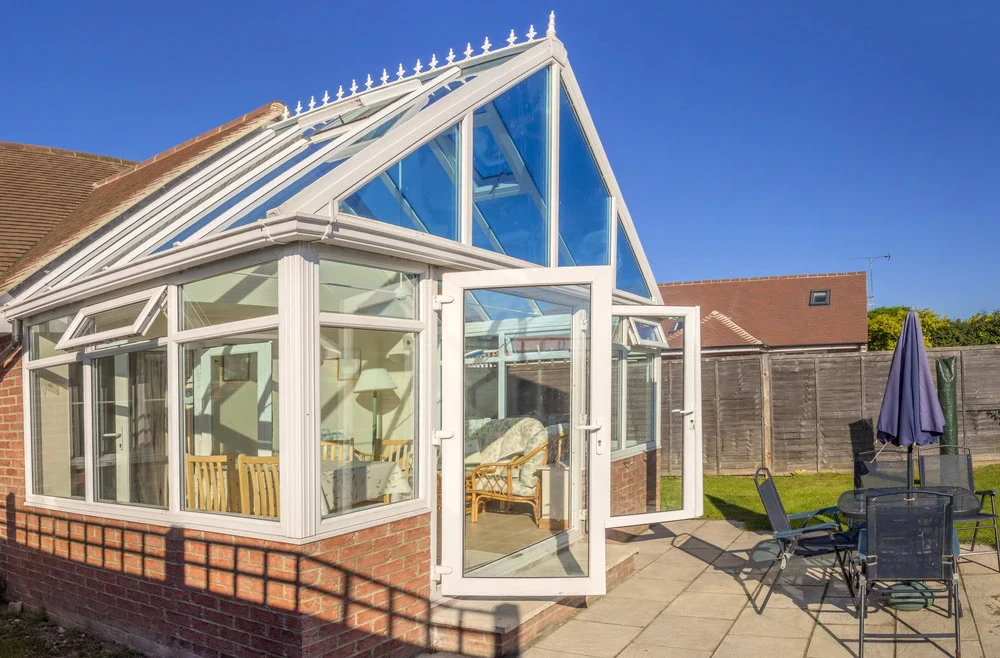
A sunroom is a fully enclosed room added onto your home, complete with finished walls, insulation, a finished interior, and usually some type of heating and cooling system. Think of it as a true extension of your home’s interior space rather than just an outdoor addition.
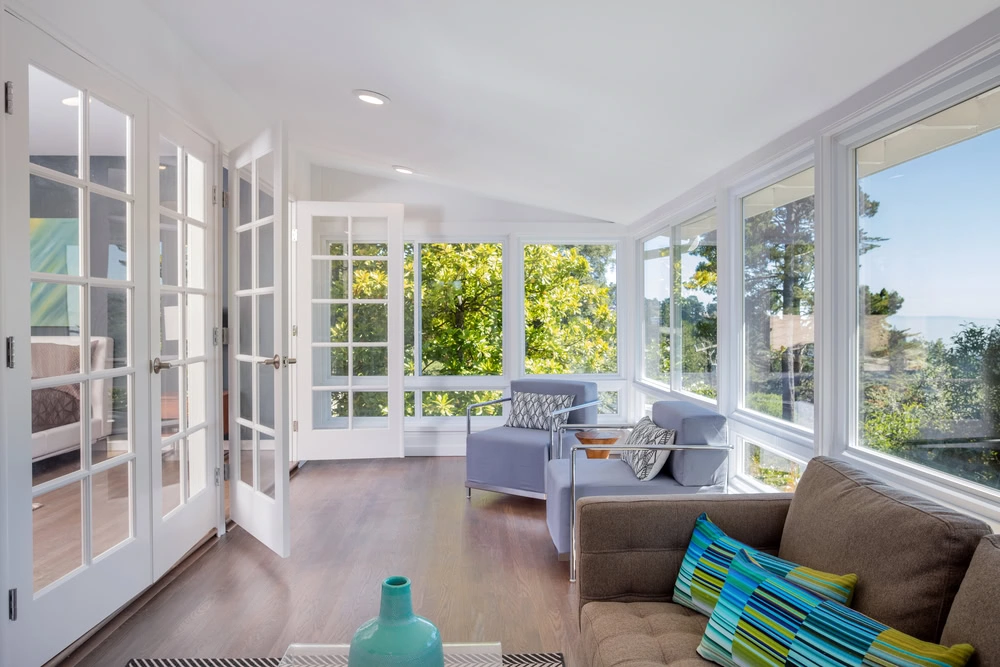
A sunroom is fully enclosed with insulated walls and lots of windows, usually on three sides, and often with skylights. It can be temperature controlled and utilized year-round, even in the dead of winter. This makes sunrooms particularly valuable for Long Island homeowners who want to enjoy their outdoor views regardless of the season.
If a porch is enclosed with windows instead of screens, or if an entirely new addition is built that features a predominance of windows, it’s called a sunroom. In addition to providing protection from sun, wind, rain, and insects, sunrooms also allow for a greater degree of climate control.
Four-Season vs Three-Season Sunrooms: Understanding Your Options
Not all sunrooms are created equal, and understanding the difference between four-season and three-season options will help you make the right investment for your Long Island home.
Four-season sunrooms are heated and cooled by the same system used in the rest of the house. These enclosures are fully incorporated extensions of the main building and are not usually separated from the rest of the building by an exterior wall. A four-season sunroom offers the highest level of comfort and usability, especially for homeowners in harsher climates, but they are also the most expensive.
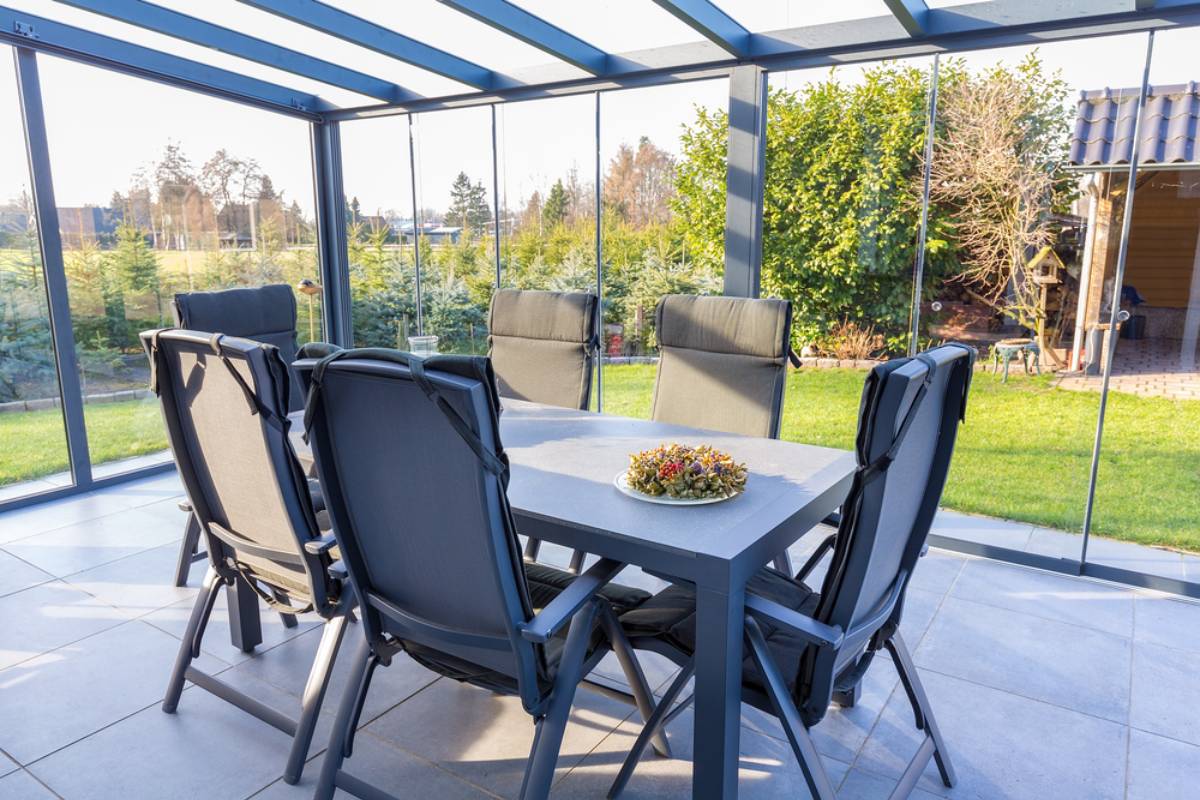
A three-season sunroom has windows, but is not climate controlled by a home’s HVAC unit. While more expensive than a screened-in porch, it is more affordable than a four-season sunroom and so offers a middle ground between the two. For Long Island’s climate, three-season sunrooms work well from spring through fall, giving you extended outdoor enjoyment without the full year-round investment.
The choice between these options often comes down to how you plan to use the space. All-season sunrooms are typically more versatile in terms of their use compared to three-season sunrooms. They can be used as a living room, dining room, home office, or even a greenhouse, providing a functional living space that can be used year-round. If you’re working from home or want a space that serves multiple purposes throughout the year, a four-season sunroom might be worth the additional investment.
Sunroom Construction and Materials: What You're Actually Getting
Not all sunrooms are created equal, and understanding the difference between four-season and three-season options will help you make the right investment for your Long Island home.
Four-season sunrooms are heated and cooled by the same system used in the rest of the house. These enclosures are fully incorporated extensions of the main building and are not usually separated from the rest of the building by an exterior wall. A four-season sunroom offers the highest level of comfort and usability, especially for homeowners in harsher climates, but they are also the most expensive.
A three-season sunroom has windows, but is not climate controlled by a home’s HVAC unit. While more expensive than a screened-in porch, it is more affordable than a four-season sunroom and so offers a middle ground between the two. For Long Island’s climate, three-season sunrooms work well from spring through fall, giving you extended outdoor enjoyment without the full year-round investment.
The choice between these options often comes down to how you plan to use the space. All-season sunrooms are typically more versatile in terms of their use compared to three-season sunrooms. They can be used as a living room, dining room, home office, or even a greenhouse, providing a functional living space that can be used year-round. If you’re working from home or want a space that serves multiple purposes throughout the year, a four-season sunroom might be worth the additional investment.
How Screened Porches and Patios Compare to Sunrooms
A screened porch has columns that support the roof, but the walls aren’t finished like they are in a sunroom or the rest of your home. This fundamental difference affects everything from cost to year-round usability.
A screened porch is the simplest option, since it’s basically a roof and screened walls over a deck or patio. It keeps bugs out and gives you a covered spot to enjoy those summer and fall nights to the fullest, regardless of a slight drizzle, but it is not a year-round option. For many Long Island homeowners, this seasonal limitation is a significant consideration.
Patios represent the most basic outdoor living option – typically just a concrete, stone, or brick surface with no overhead protection or enclosure. While patios are the most affordable option, they offer the least protection from weather and insects.
Cost Differences: What You Can Expect to Invest
Understanding the cost differences between these options will help you set realistic expectations and make the right choice for your budget.
If you install a porch kit with basic screens, you might only spend $1,800 to $2,500. A sunroom costs around $47,000 on average, and the lowest price you can expect is around $5,000. If a budget-friendly addition is your goal, a screened porch is the better option.
For Long Island specifically, sunroom cost ranges from $17,000 to $127,000. Sun porch cost ranges from $120 to $211 per square foot. These costs reflect the significant difference in construction complexity and materials between the options.
A screened room can be less than half the cost of a sun room, as screened panels are very cheap to make. An 18′ x 24′ sun room costs around $36,000 while a 10′ x 15′ sun room costs around $18,000. The size and features you choose will significantly impact your final investment.
It’s important to consider the long-term value as well. Property value is also a key factor when weighing sunrooms versus screened porches. Adding a sunroom to your home can potentially increase its market value. Sunrooms are often considered desirable features for home-buyers as they offer additional living space, natural light, and a connection with the outdoors. A well-designed and well-maintained sunroom can be an attractive selling point.
Year-Round Usability: Which Option Works Best for Long Island Weather
Long Island’s climate presents unique challenges for outdoor living spaces. Nassau County tends to be a bit warmer since it is closer to the mainland and more densely populated, causing a heat island effect. Suffolk County benefits from breezes off the Atlantic and Long Island Sound, which moderate its summertime highs. Understanding how each option performs in these conditions is crucial.
Screened porches don’t provide comprehensive climate control. Although it’s common for screened-in porches to have ceiling fans to mitigate excessive heat during warmer months, they are usually too cold to use during frigid weather without at least a space heater. This means your screened porch investment may only be useful for part of the year.
If you want a space to keep house plants year-round, a screened porch isn’t it. A sunroom is the better option for keeping plants — and people — comfortable in the winter. For Long Island homeowners who want to enjoy their outdoor space during winter months, this is a significant advantage.
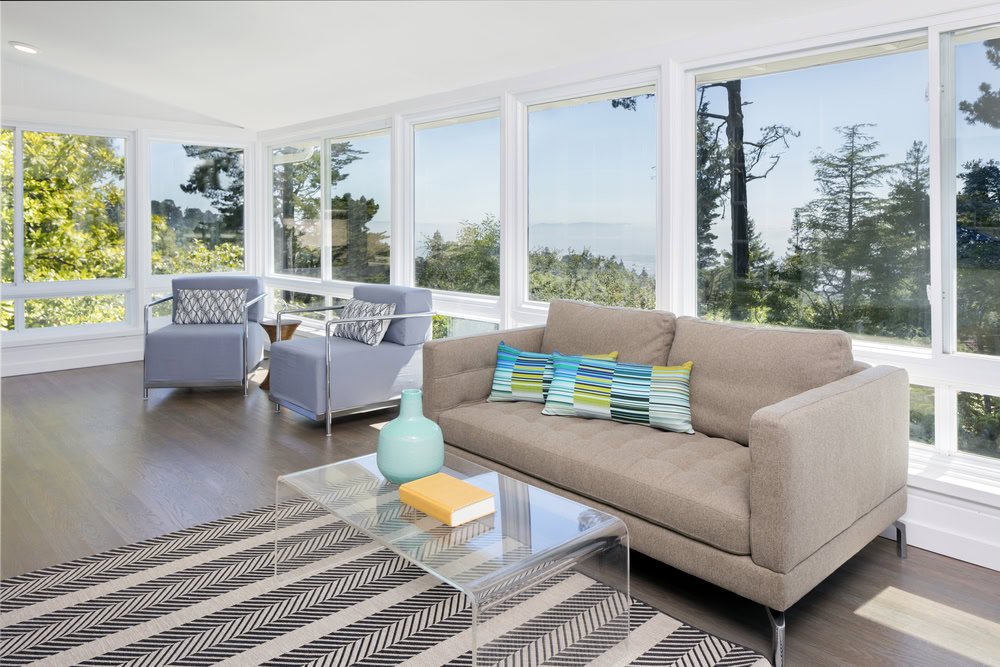
All-season rooms provide levels of insulation and protection that make it easy to read during summer thunderstorms, watch snowflakes fall in the middle of winter, and enjoy spring’s beautiful blooms without sneezes and sniffles. This year-round functionality makes sunrooms particularly valuable for Long Island’s varied climate.
The versatility extends beyond just weather protection. A sunroom offers a bright and airy space where you can enjoy natural light and scenic views year-round. It enhances both your living area and home value, creating the perfect spot for relaxation or entertaining. This makes sunrooms a worthwhile investment for homeowners who want maximum usability from their outdoor living space.
Choosing the Right Option for Your Long Island Home
The decision between a sunroom, screened porch, or patio ultimately depends on your budget, lifestyle, and long-term goals for your home. When debating a sunroom versus screened porch, the first question to ask yourself is how you will use it. Both types of living spaces offer different benefits, but considering your specific lifestyle needs or wants can help you hone in on what’s most advantageous and cost-effective for your family.
If you want year-round enjoyment and are willing to invest in a permanent addition to your home, a sunroom offers the best value and functionality. For seasonal use and budget-conscious homeowners, a screened porch provides excellent protection from insects while maintaining that outdoor feel.
Ready to explore your options? We’ve been helping Long Island homeowners create their perfect outdoor living spaces for decades. Our team can help you determine which option best fits your home, budget, and lifestyle needs.