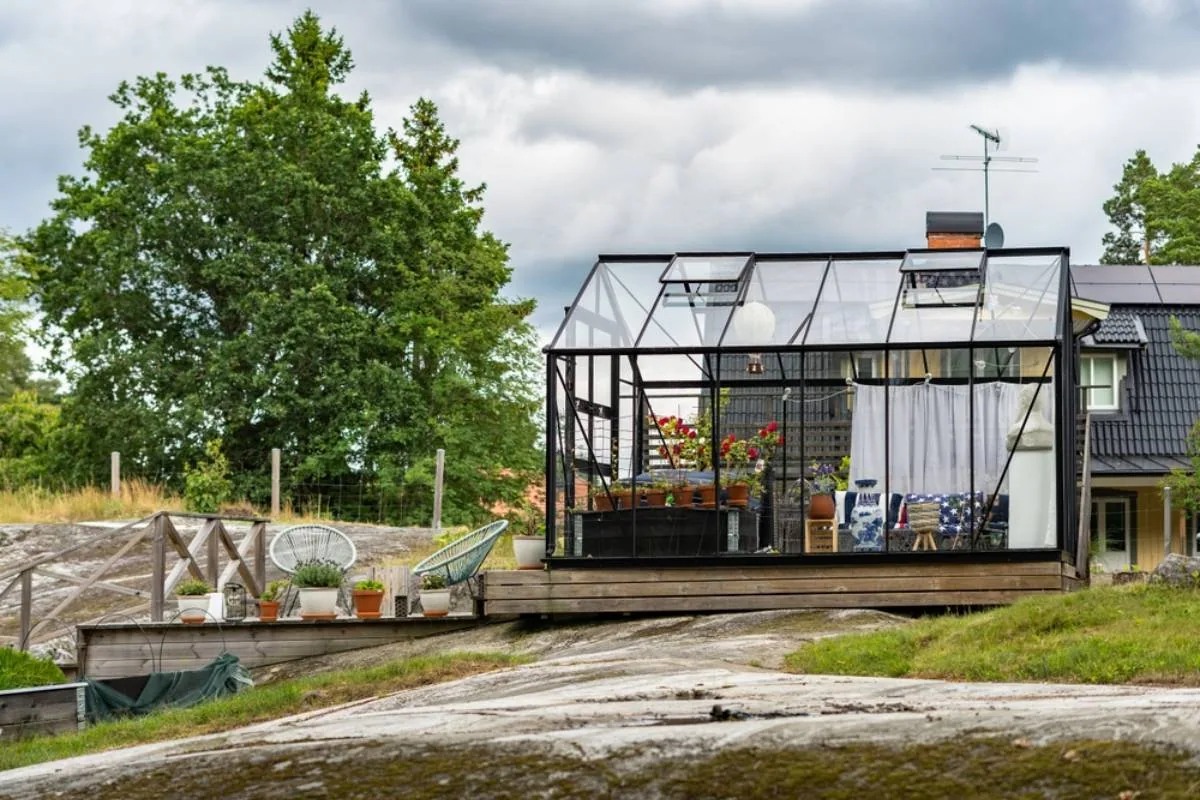
Summary:
What Makes a Conservatory Different From a Standard Sunroom
Walk into a sunroom and you’ll notice windows. Walk into a conservatory and you’ll feel like you’re outside—without actually being outside.
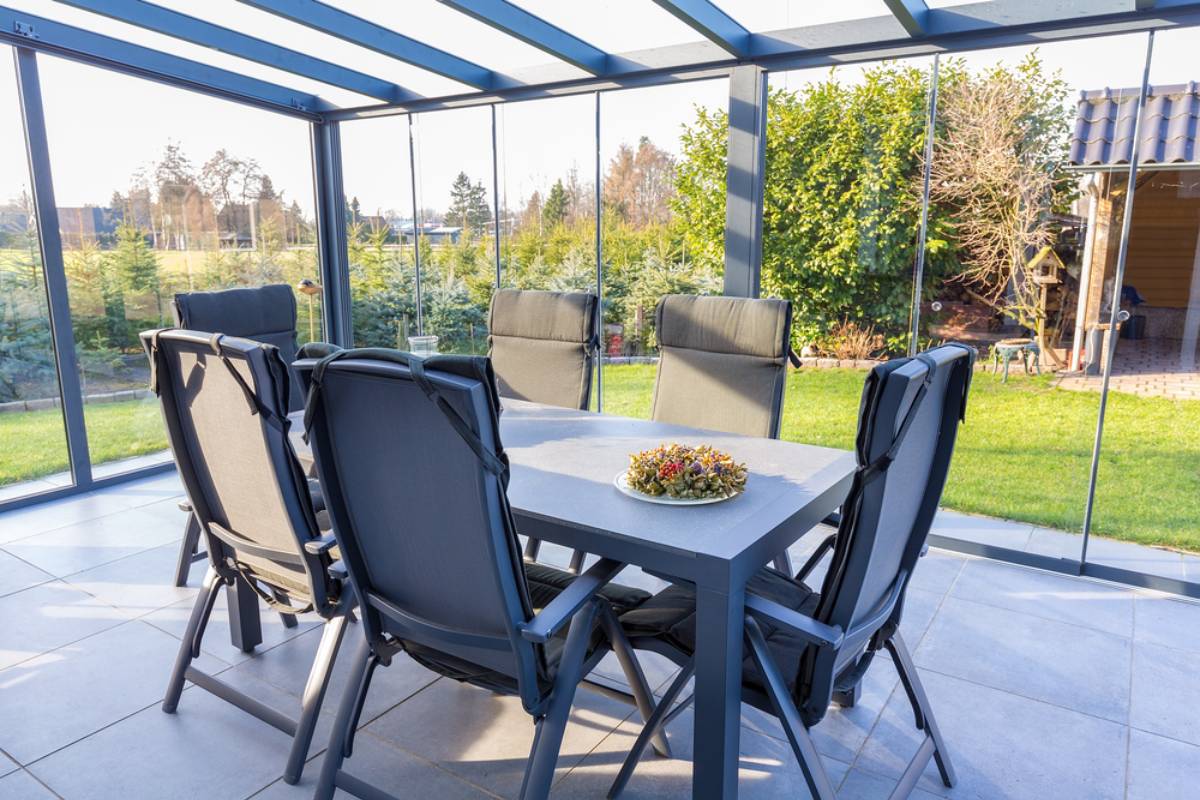
The difference comes down to glass. Sunrooms typically have solid roofs and fewer glass panels, designed primarily as additional living space. Conservatories embrace an all-glass approach that creates a true indoor-outdoor experience. We’re talking glass walls, glass roof, sometimes even glass doors. The whole point is maximum light from every direction.
For Long Island homeowners, this distinction matters because conservatories offer unique benefits that align perfectly with the climate and lifestyle here. You’re not just adding square footage. You’re creating an environment where plants that normally wouldn’t stand a chance in New York can flourish. Where natural light floods in during those gray winter months when seasonal depression hits hardest. Where you can watch snow fall while sitting comfortably in 70-degree warmth, surrounded by blooming citrus trees and tropical palms.
How Victorian Style Conservatories Blend With Long Island Architecture
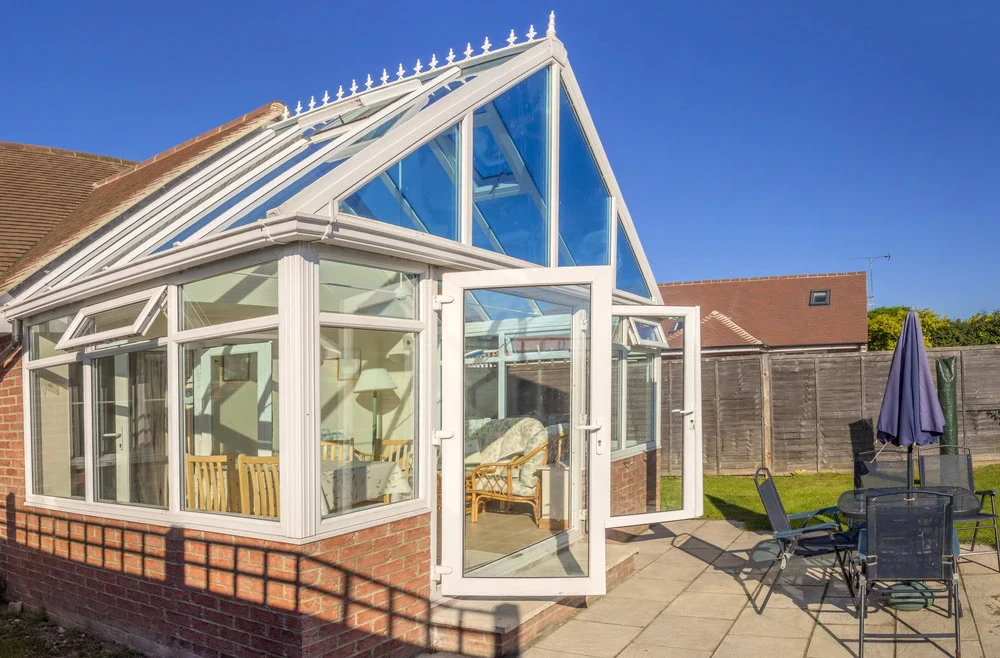
Victorian conservatories remain the most popular choice among Long Island homeowners, and there’s a good reason for that. These classic designs feature ornate details, curved glass panels, and decorative ridge cresting that adds timeless elegance to any property. They work beautifully with the traditional colonial and Tudor-style homes you see throughout Nassau and Suffolk Counties.
The Victorian style isn’t just about looks, though that’s certainly part of the appeal. The multi-faceted design—typically three or five curved sections at the front—creates interesting angles that maximize light penetration throughout the day. As the sun moves across the sky, different sections catch and distribute that light, giving your plants more consistent exposure than a flat-wall design would provide.
Modern Victorian conservatories also incorporate today’s thermal technology while maintaining that classic aesthetic. You get the elegant appearance of a 19th-century glasshouse combined with low-E glass, proper insulation, and climate control systems that actually work. The ornate detailing, finials, and decorative ironwork remain, but the structure underneath uses durable aluminum frames and advanced glazing options built to handle Long Island’s temperature swings.
If your home leans more contemporary, lean-to or Edwardian styles offer cleaner lines while still providing that crucial all-glass environment. The key is choosing a style that feels like a natural extension of your home rather than an obvious add-on. When the conservatory complements your existing architecture, it enhances your property’s overall appeal and value instead of looking like an afterthought.
This matters for resale too. In Nassau County’s competitive real estate market, where median sale prices run significantly higher than national averages, a well-integrated conservatory becomes a selling point rather than a question mark. Buyers see a thoughtfully designed space that adds both function and beauty.
Understanding Thermal Performance in Modern Glass Conservatories
Here’s the thing about older conservatories: they were basically unusable for half the year. Too hot in summer, freezing in winter, and your heating bills went through the roof trying to compensate. That’s changed completely with modern thermal technology.
Today’s conservatories use advanced glazing that manages heat transfer in both directions. Low-E glass coatings minimize heat loss in winter while reducing heat gain in summer. The glass reflects infrared light—which carries heat—back into your conservatory when it’s cold outside, and reflects it away when temperatures climb. You’re not fighting against the glass anymore. It’s actually working with you to maintain comfortable temperatures.
Solar control glass takes this further by reducing glare and blocking up to 80% of solar heat while still allowing visible light through. This matters tremendously in a space that’s essentially all glass. Without proper solar control, a south-facing conservatory in July becomes unbearable. With it, you can actually use the space comfortably even during Long Island’s hottest stretches.
The frame system plays an equally important role. Aluminum framing provides strength and stability while requiring minimal maintenance, but thermal breaks within the frame prevent heat from conducting through the metal. Older conservatory frames acted like giant heat sinks, pulling warmth right out of your space. Modern thermally-broken frames stop that transfer cold.
Long Island’s climate demands this level of performance. You’re dealing with winter temperatures that can drop to the low 20s and summer days that push into the low 80s, sometimes higher. That’s nearly a 60-degree swing your conservatory needs to handle while keeping plants happy and your energy bills reasonable.
Proper insulation extends beyond just the glass and frames. Floor insulation, roof insulation, and even insulated wall panels where they connect to your home all contribute to creating a stable environment. When all these elements work together, you end up with a space that maintains steady temperatures without constantly running heaters or fans.
The payoff shows up in multiple ways. Your plants get consistent conditions that promote healthy growth. You can actually use the space year-round instead of abandoning it for months at a time. And your energy costs stay manageable because the structure itself is doing most of the work, not your HVAC system.
What You Can Actually Grow in a Year-Round Conservatory
This is where conservatories get exciting for gardeners. Suddenly, plants that you could only dream about growing in Long Island become completely feasible.
Citrus trees top the list. Lemons, oranges, calamondins—they all thrive in conservatory conditions where they get bright light and protection from cold. You get fragrant white blossoms in spring and actual fruit that takes nearly a year to form and ripen. Not easy plants by any means, but absolutely possible in a proper conservatory setup.
Palms bring that tropical feel without requiring a trip to Florida. Sago palms handle cooler temperatures well and can cope with some neglect, making them ideal for conservatory growing. They’re hardy, slow-growing, and their feathery foliage adds instant drama to the space. Other varieties like the Blue Hesper palm prefer full sun and dry air, thriving in conservatory conditions that would stress typical houseplants.
Best Plants for Hot Conservatory Environments
Even with solar control glass, conservatories get warm. Some plants love that.
Succulents and cacti are naturals for hot, sunny conservatories. Hardy succulents can withstand high temperatures and are often best suited for conservatory conditions where temperature swings happen. Varieties like jade plants, echeveria, and string of pearls add visual interest while requiring minimal watering. Cacti like the brittle cactus will survive all year round, flowering in summer months when conditions are right.
Bougainvillea adds vibrant bursts of color with its pink, purple, and red papery bracts. These tropical climbers are ideally suited to sunny, humid conservatories since they’re frost-tender and can’t be grown outdoors year-round in New York. They’re excellent mood lifters and also contribute to healthier indoor environments by improving air quality through absorption of pollutants.
Mandevilla offers another tropical option with large, colorful trumpet-shaped blooms. These evergreen climbers flower in late summer and need light misting daily. Water them moderately in spring and sparingly through winter. As conservatory plants go, mandevilla is beautiful and relatively low-maintenance.
Hibiscus brings those classic tropical trumpet-shaped flowers in vibrant colors. They handle conservatory heat well and provide that resort-like atmosphere many homeowners want.
The key with hot-loving plants is understanding they still need some protection during peak summer sun. Even heat-tolerant species can burn if exposed to intense direct sunlight all day through glass. Strategic shading during the hottest part of summer afternoons helps prevent stress while still giving plants the light they crave.
Humidity also matters for tropical plants. Conservatories can become quite dry, especially in winter when heating systems run. Sitting pots on saucers filled with water and pebbles, or misting leaves regularly, increases humidity levels when needed. This simple step makes a significant difference in how well tropical species perform.
Managing Temperature Variations for Different Plant Species
Not every plant wants the same temperature, which creates an interesting challenge in a conservatory where conditions are relatively uniform.
The solution comes from understanding microclimates within your space. Areas closer to exterior glass walls will be cooler in winter and warmer in summer than spots near the connection to your main house. The floor level stays cooler than higher shelves. North-facing sections receive less intense light than south-facing areas.
You can use these natural variations to your advantage. Place heat-loving tropical plants in the brightest, warmest spots. Position plants that prefer cooler conditions—like certain orchids or ferns—in shadier areas or closer to the floor. Group plants with similar needs together so you can adjust watering and care routines efficiently.
Temperature requirements vary significantly among conservatory plants. Many citrus plants are hardy down to around 45°F, though some varieties prefer it warmer. Palms generally need heated conservatory conditions with minimum winter temperatures around 50-55°F. Hardy succulents can tolerate temperatures down to 40°F, while tropical species need it warmer.
Seasonal adjustments matter too. Most conservatory plants benefit from a slight temperature drop in winter—not cold, but cooler than summer conditions. This mimics their natural environment and often triggers flowering cycles. Citrus trees particularly need cool winter rest periods around 50-55°F to set fruit properly.
Ventilation plays a crucial role in temperature management. Opening windows and roof vents allows hot air to escape during summer while bringing in fresh air circulation. Good airflow prevents humidity from becoming excessive and helps regulate temperature naturally without relying entirely on mechanical systems.
During Long Island’s coldest stretches when temperatures drop into the 20s, supplemental heating may be necessary depending on your conservatory’s insulation and your plants’ requirements. Electric heaters with thermostats work well, allowing you to set minimum temperatures that prevent cold damage without overheating. The investment in proper heating pays off when you can maintain a collection of plants worth far more than the energy costs.
Monitor conditions closely, especially during extreme weather. A few inexpensive temperature and humidity sensors placed throughout your conservatory give you the data you need to make smart adjustments before plants show stress signs.
Making Your Conservatory Vision a Reality in Nassau or Suffolk County
Modern glass conservatories offer Long Island homeowners something genuinely valuable: a year-round connection to gardening and nature that our climate normally doesn’t allow. You get to grow plants that fascinate you, enjoy natural light even during gray winter months, and add functional square footage that increases your property value by 5-15%.
The key is working with experienced professionals who understand both the technical requirements and the local building codes specific to Nassau and Suffolk Counties. Proper thermal performance, quality materials, and thoughtful design that complements your home’s architecture make the difference between a conservatory that becomes your favorite space and one that sits unused.
If you’re ready to explore how a custom conservatory could transform your home and extend your growing season indefinitely, we bring nearly 50 years of expertise to every project. We handle everything from design and permits to installation and finishing touches, creating spaces that work beautifully year-round.