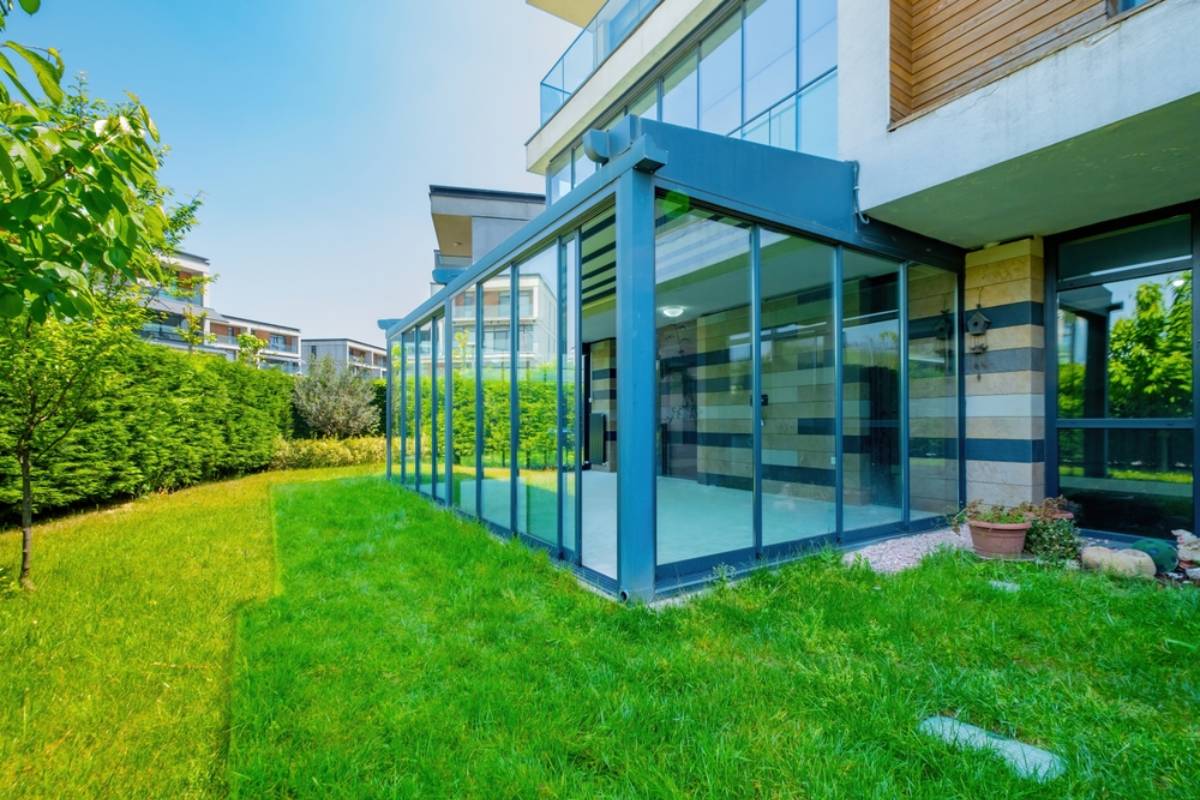
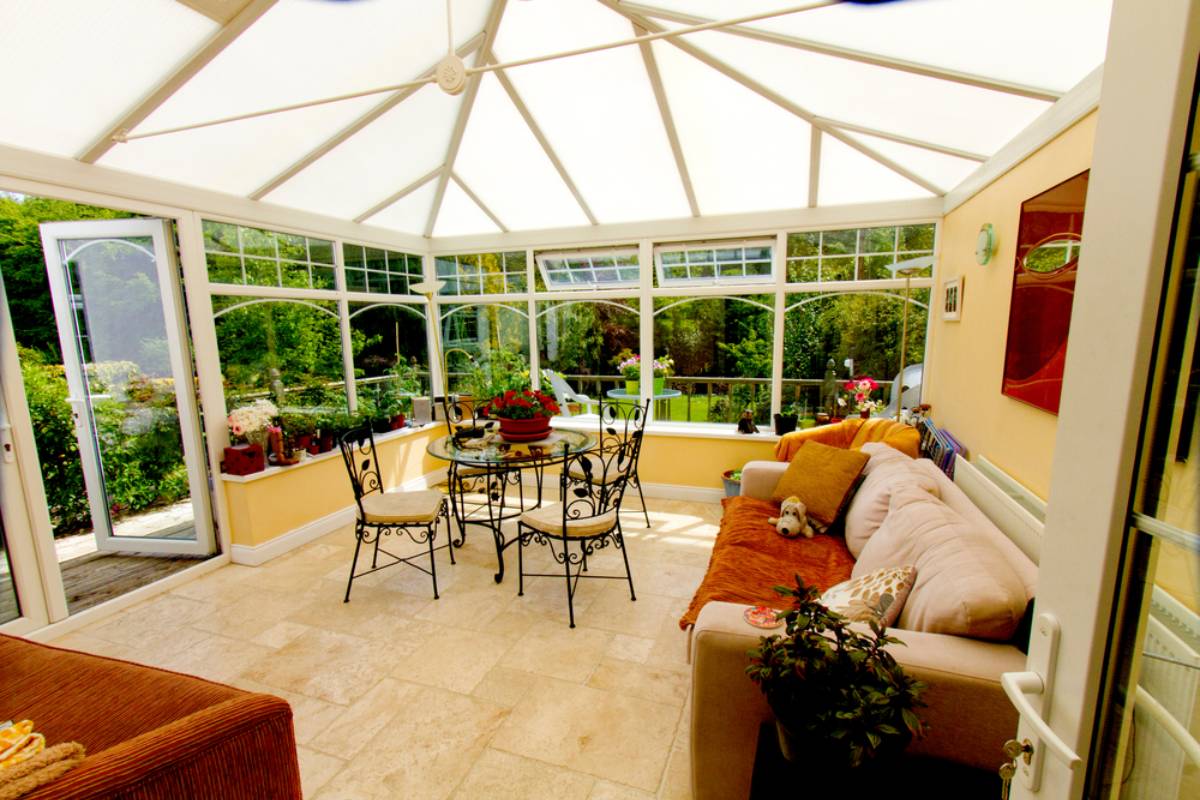
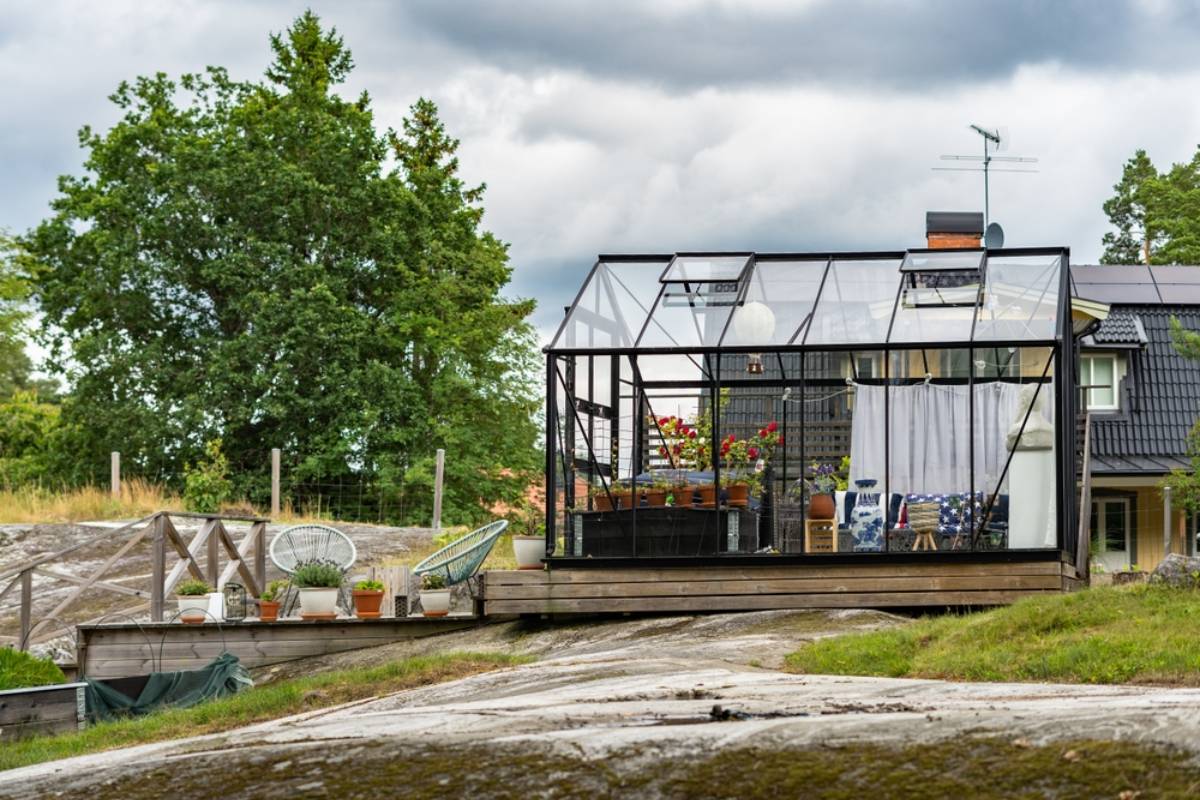
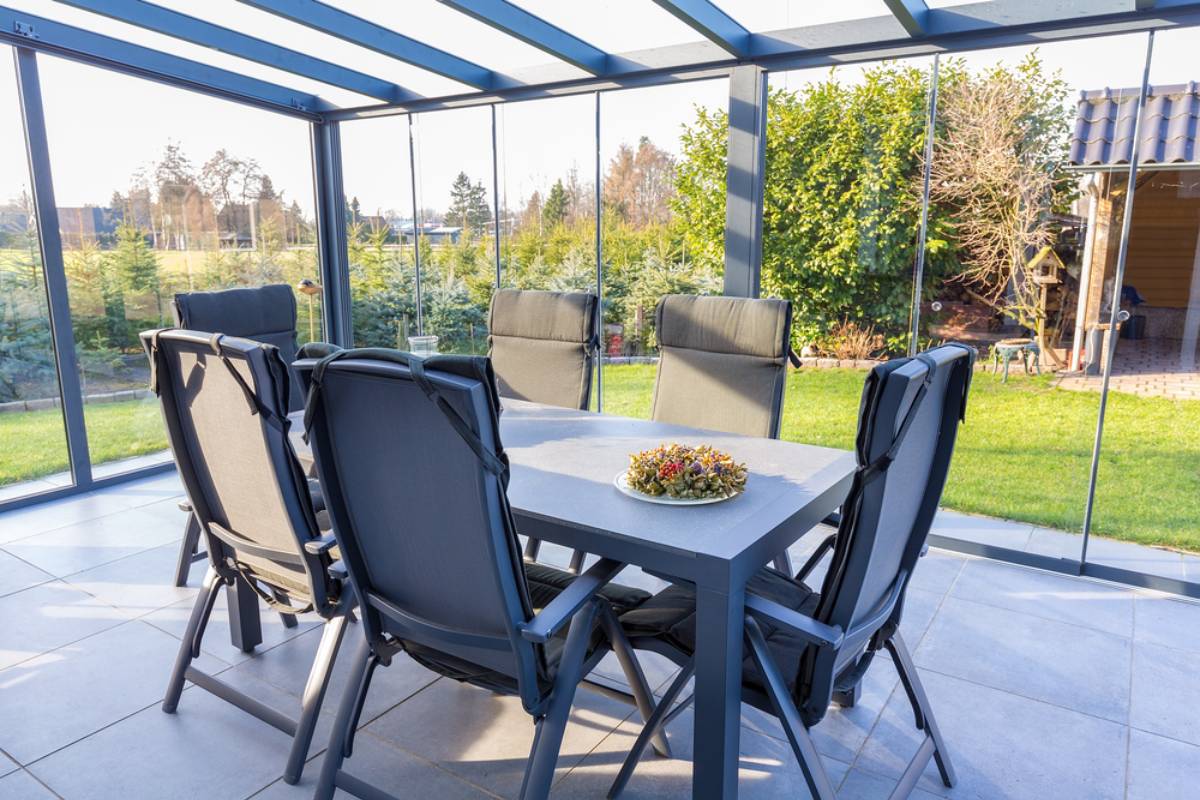
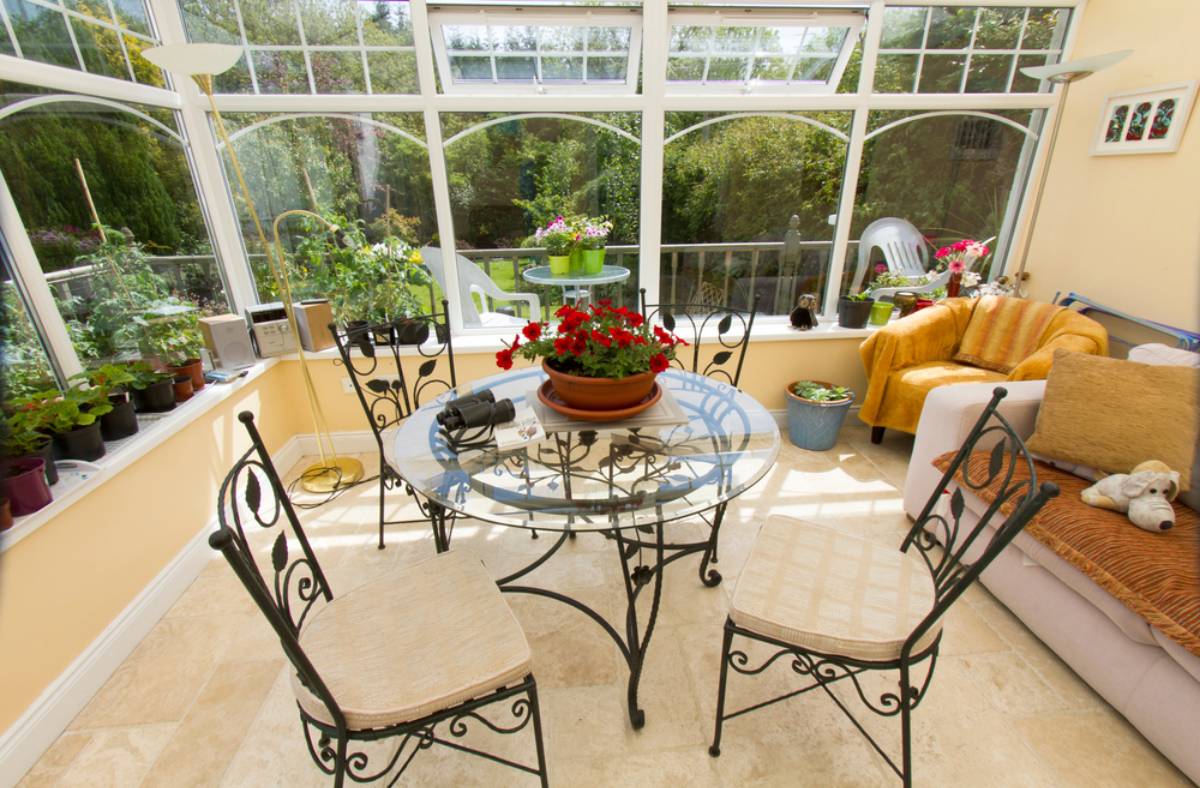
Picture a space where light dances across your floors, a seamless connection between your home and the outdoors. Four Seasons Sunroom in Wyandanch, NY designs conservatories that are not just additions, but extensions of your lifestyle. Why settle for a standard room when you can have a luminous retreat?
I had an exceptional experience with Four Seasons Sunrooms. They were customer satisfaction oriented and their prices were by far the most reasonable. They came out to assess my needs right away, and I had received great design advice and prompt appointments.
Daniel Ciano
They are professional and friendly people who took the time to explain how the steps leading up to the completion of the sunroom and kept up with communication along the way. I would highly recommend them to any of my friends and family!
Berta Portigiani
We love our new sunroom! Four Seasons worked with us to get all the necessary permits and town hearings to move forward. The workers were hard working and courteous, in very cold weather! We are enjoying our new beautiful living space.
Alexa Bauman
Their products are beautiful, plus there's so many sunroom styles to choose from. I'm really impressed by the impeccable work they've done. In addition, their staff members are super friendly!
Conservatories in Wyandanch
Reasons to Choose Four Seasons Sunroom for a Conservatories in Wyandanch
Expand your living space with a versatile area suitable for any occasion.
Increase the value of your home with a custom conservatory design.
Maximize energy efficiency with modern glazing and insulation.
Enjoy a year-round space crafted from resilient, locally appropriate materials.
Four Seasons Sunroom builds conservatories that reflect your personal style and enhance your home’s architecture. In Wyandanch, the right materials are essential. We select thermally efficient composite materials and robust, double-glazed panels to provide comfort and durability. These choices are made to withstand NY’s varying weather. Our aim is to create conservatories in Wyandanch that are both beautiful and functional.
Augment your home with Four Seasons Sunroom in Suffolk County
Imagine a space filled with natural light, perfect for relaxation or entertaining in your Wyandanch home. With Four Seasons Sunroom, you can transform your living space. We bring experience and a commitment to quality to every project. Don’t delay adding value and enjoyment to your home. Contact Four Seasons Sunroom, and let’s begin planning your ideal conservatory.
This hamlet is named after Chief Wyandanch, a leader of the Montaukett Native American tribe during the 17th century. Formerly known as Half Way Hollow Hills, West Deer Park (1875), and Wyandance (1893), the area of scrub oak and pine barrens south of the southern slope of Half Hollow terminal moraine was named Wyandanch in 1903 by the Long Island Rail Road (LIRR) to honor Chief Wyandanch and end confusion between travelers getting off at the West Deer Park and Deer Park railroad stations. The history of the hamlet has been shaped by waves of immigrants.
No archaeological evidence of permanent Native American settlements in Wyandanch has been discovered. Native Americans hunted and gathered fruits and berries in what is now Wyandanch/Wheatley Heights.
The Massapequa Indians deeded the northwest section of what now is the town of Babylon to Huntington in the Baiting Place Purchase of 1698. The northeast section of the town of Babylon “pine brush and plain” was deeded to Huntington by the Secatogue Indians in the Squaw Pit Purchase of 1699. What is now Wyandanch is located in the Squaw Pit Purchase area. Lorena Frevert reported in 1949 that in the Baiting Place Purchase the Massapequa Indians “reserved the right of fishing and ‘gathering plume and hucel bearyes’.”