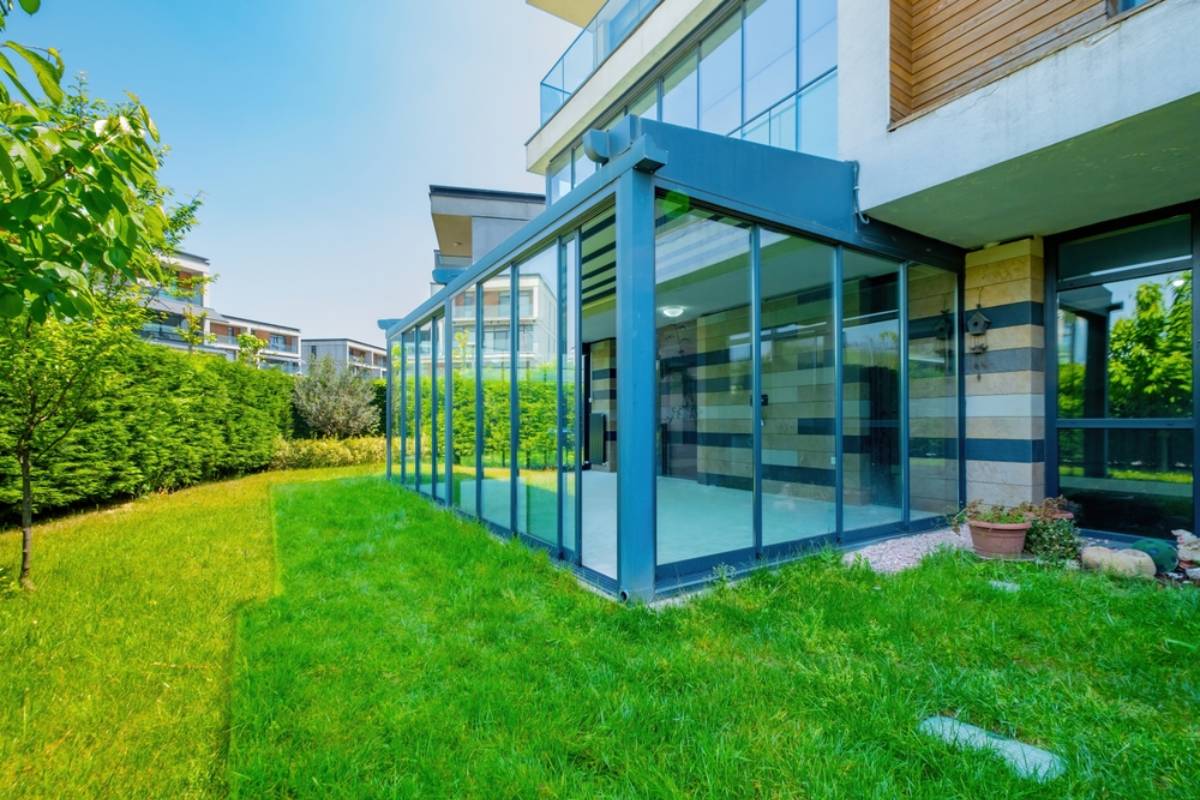
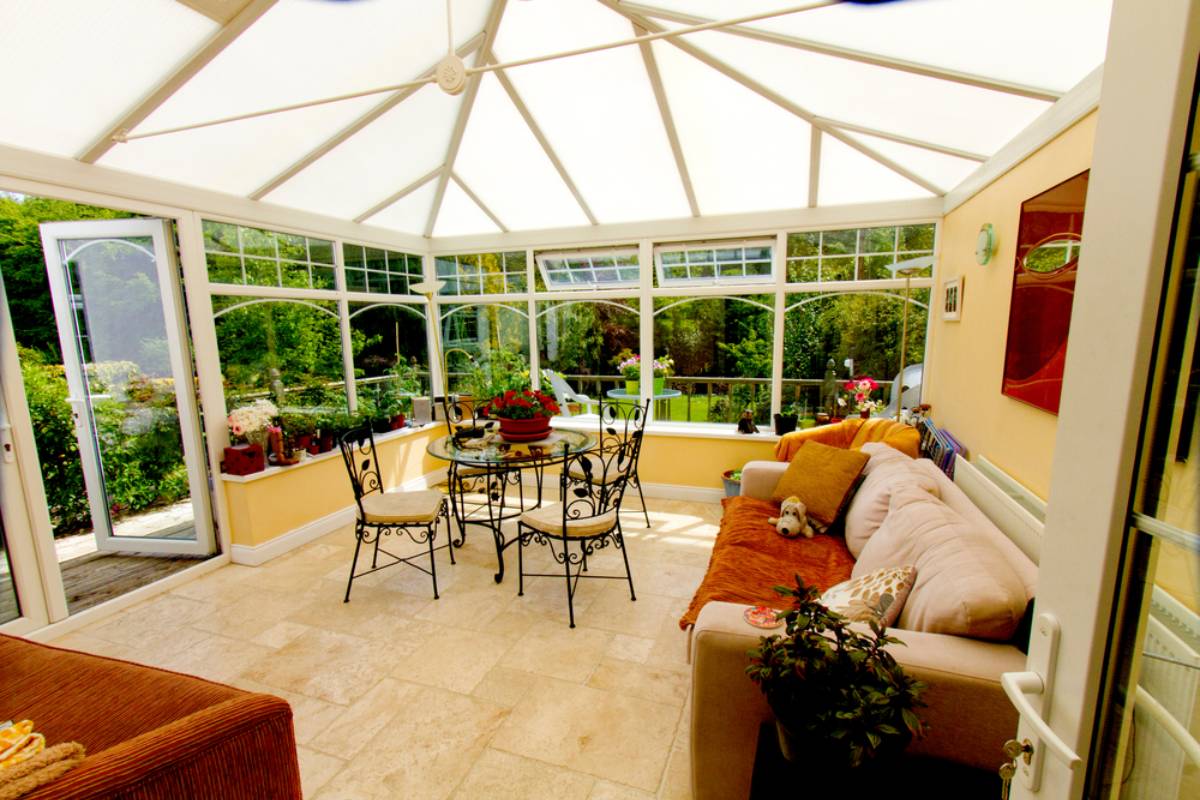
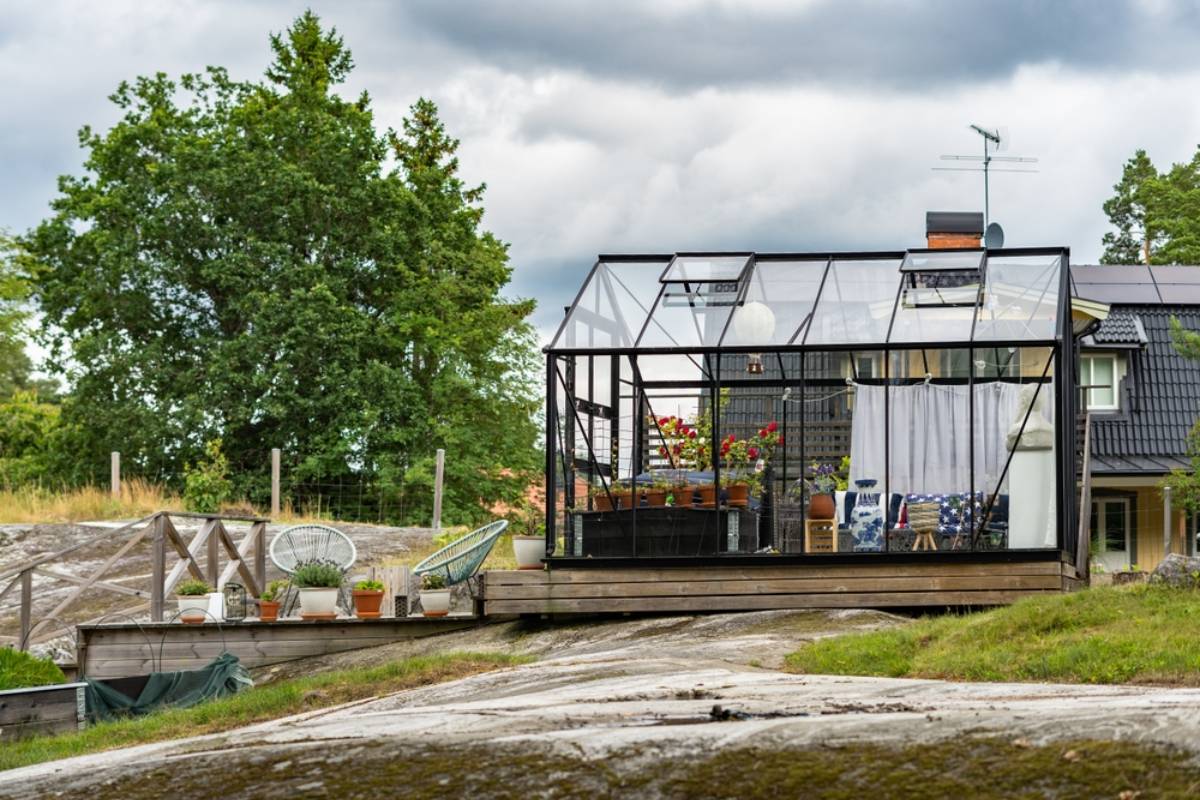
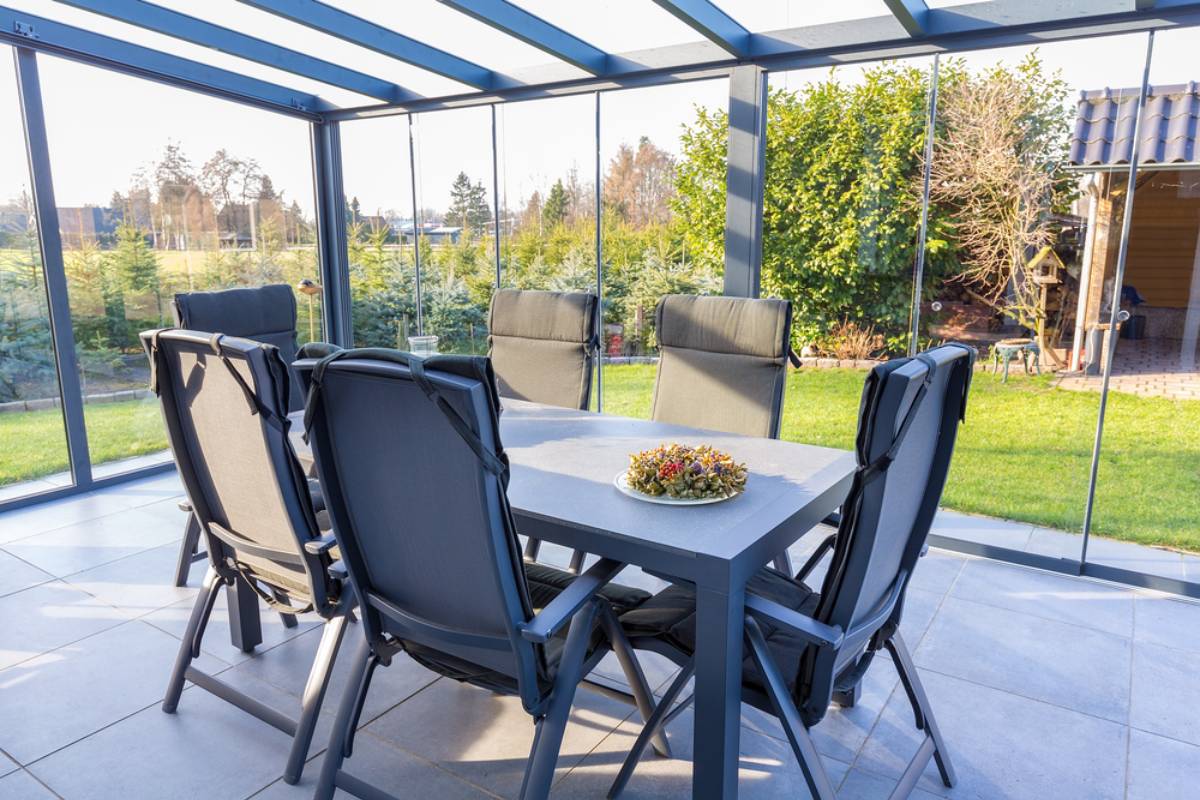
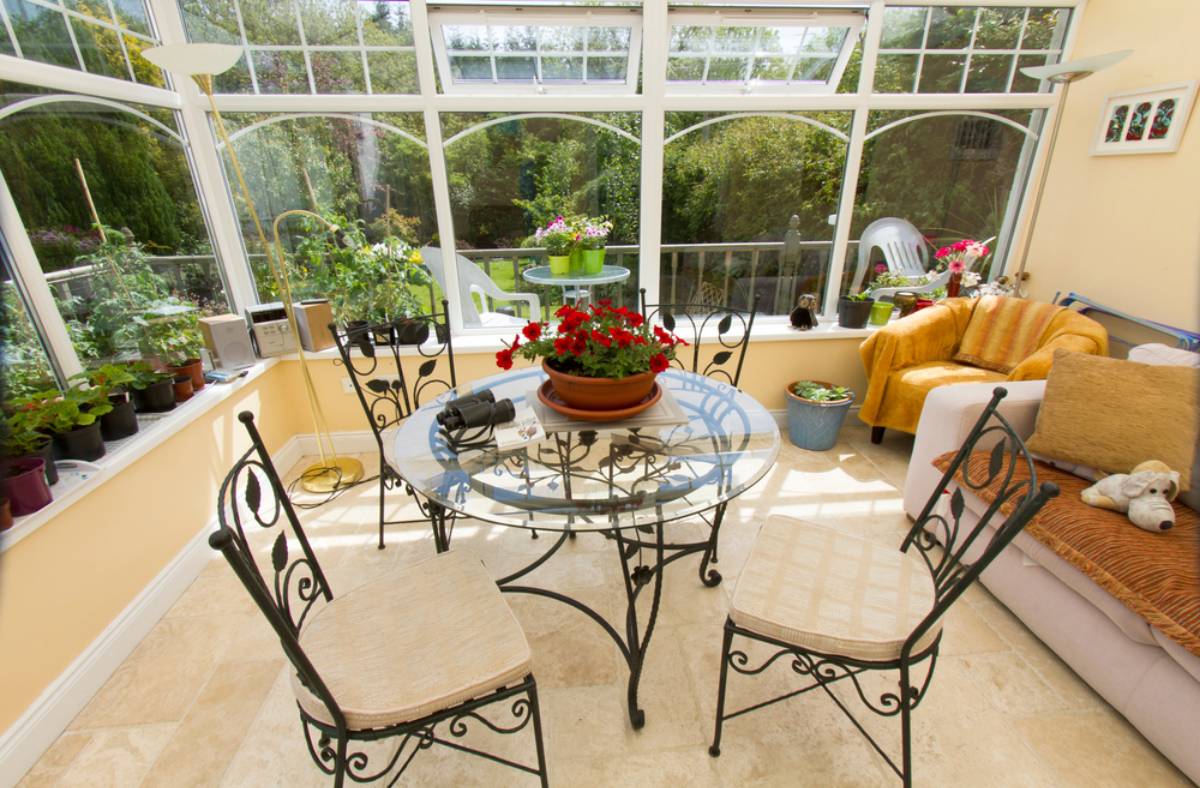
Picture a space where light dances across your floors, a seamless connection between your home and the outdoors. Four Seasons Sunroom in Ridge, NY designs conservatories that are not just additions, but extensions of your lifestyle. Why settle for a standard room when you can have a luminous retreat?
I had an exceptional experience with Four Seasons Sunrooms. They were customer satisfaction oriented and their prices were by far the most reasonable. They came out to assess my needs right away, and I had received great design advice and prompt appointments.
Daniel Ciano
They are professional and friendly people who took the time to explain how the steps leading up to the completion of the sunroom and kept up with communication along the way. I would highly recommend them to any of my friends and family!
Berta Portigiani
We love our new sunroom! Four Seasons worked with us to get all the necessary permits and town hearings to move forward. The workers were hard working and courteous, in very cold weather! We are enjoying our new beautiful living space.
Alexa Bauman
Their products are beautiful, plus there's so many sunroom styles to choose from. I'm really impressed by the impeccable work they've done. In addition, their staff members are super friendly!
Conservatories in Ridge
Reasons to Choose Four Seasons Sunroom for a Conservatories in Ridge
Expand your living space with a versatile area suitable for any occasion.
Increase the value of your home with a custom conservatory design.
Maximize energy efficiency with modern glazing and insulation.
Enjoy a year-round space crafted from resilient, locally appropriate materials.
Four Seasons Sunroom builds conservatories that reflect your personal style and enhance your home’s architecture. In Ridge, the right materials are essential. We select thermally efficient composite materials and robust, double-glazed panels to provide comfort and durability. These choices are made to withstand NY’s varying weather. Our aim is to create conservatories in Ridge that are both beautiful and functional.
Augment your home with Four Seasons Sunroom in Suffolk County
Imagine a space filled with natural light, perfect for relaxation or entertaining in your Ridge home. With Four Seasons Sunroom, you can transform your living space. We bring experience and a commitment to quality to every project. Don’t delay adding value and enjoyment to your home. Contact Four Seasons Sunroom, and let’s begin planning your ideal conservatory.
In 1693, William “Tangier” Smith, who owned a homestead in Setauket, was allowed to purchase a large tract of land on the South Shore of Long Island in recognition of his being mayor of Tangier in Africa. The land, called Manor St. George, stretched from the Carmans River (then called the Connecticut River) in the west to the edge of the town of Southampton in the east, with a northern border around present-day New York State Route 25, as much as 81,000 acres (330 km2) of land. He made his manor seat on the South Shore in present-day Mastic, and the northern part, now the south side of Ridge, was called “The Swamp” or “Longswamp”. A house wasn’t built at Longswamp until after the American Revolution. In 1817, William Sydney Smith inhabited the house and changed the name to Longwood.
In 1955, what then remained of William Smith’s original manor was primarily located in Ridge and was surrounded by the world growing up around it, in the form of the Brookhaven National Laboratory and the surrounding areas becoming increasingly populated. Longwood’s 750 acres (300 ha) fell into the hands of Elbert Clayton Smith, who immediately moved his family from California to live there. He seems to have been very generous to his new community; his donations included 51 acres (21 ha) to the school board for the construction of Longwood High School and 6 acres (2.4 ha) to Middle Island Presbyterian Church. In 1967, Elbert Smith died, and the Longwood Estate was carved into housing developments and nearly destroyed until enough noise was made about preservation to have the house and 35 acres (14 ha) of land given to the Town of Brookhaven in 1974. The Smith Estate was added to the National Register of Historic Places in 1981.
In 1738, northern Ridge was settled by widower Samuel Randall of North Stonington, Connecticut; his only son Stephen Randall and his descendants farmed a 4,000-acre (1,600 ha) plot of ground that Samuel had always referred to as “the Ridge” based on the geographical terrain. First called “Randallville”, Ridge was the name selected by its residents for postal delivery. The Randall burial plot near the William Floyd Parkway includes the grave of Lt. Stephen Randall (1736-1818), patriot of the American Revolution and a Suffolk County Militia veteran of the Battle of Long Island. Graves of Randall’s wife Elizabeth Swezey (1747-1834) and several descendants are also within the plot.