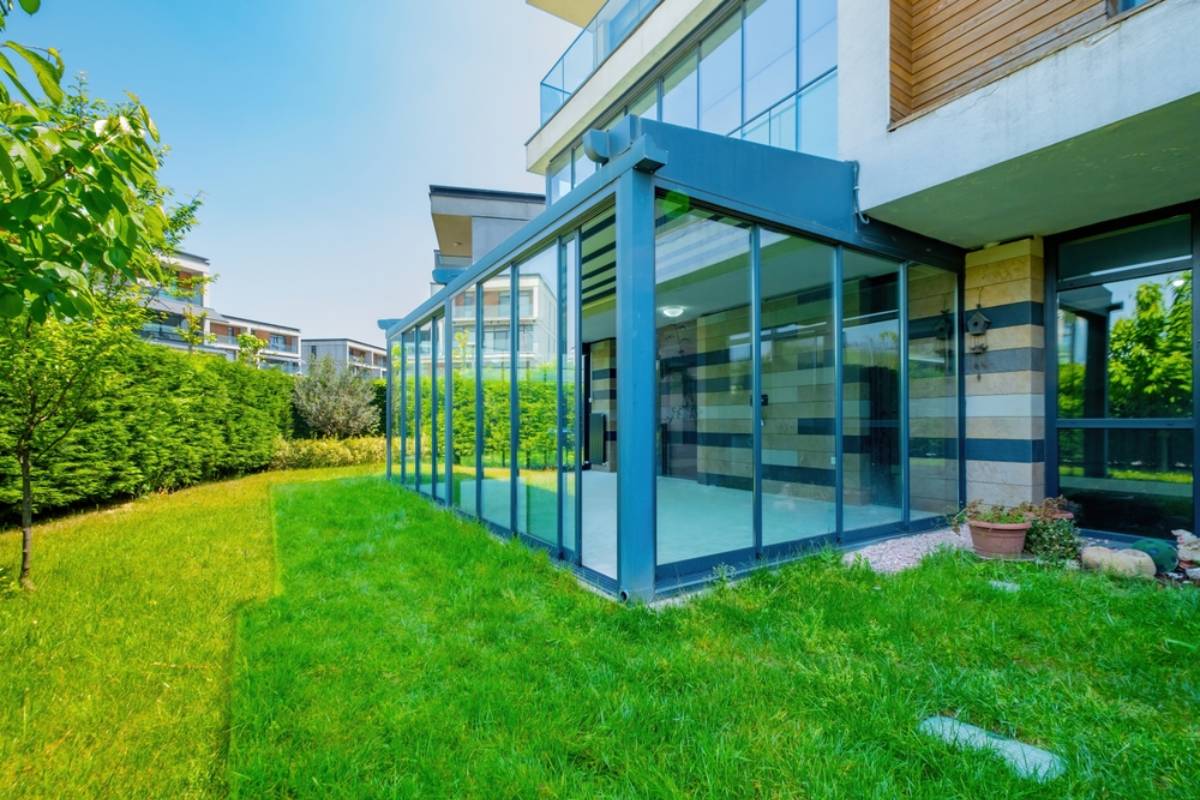
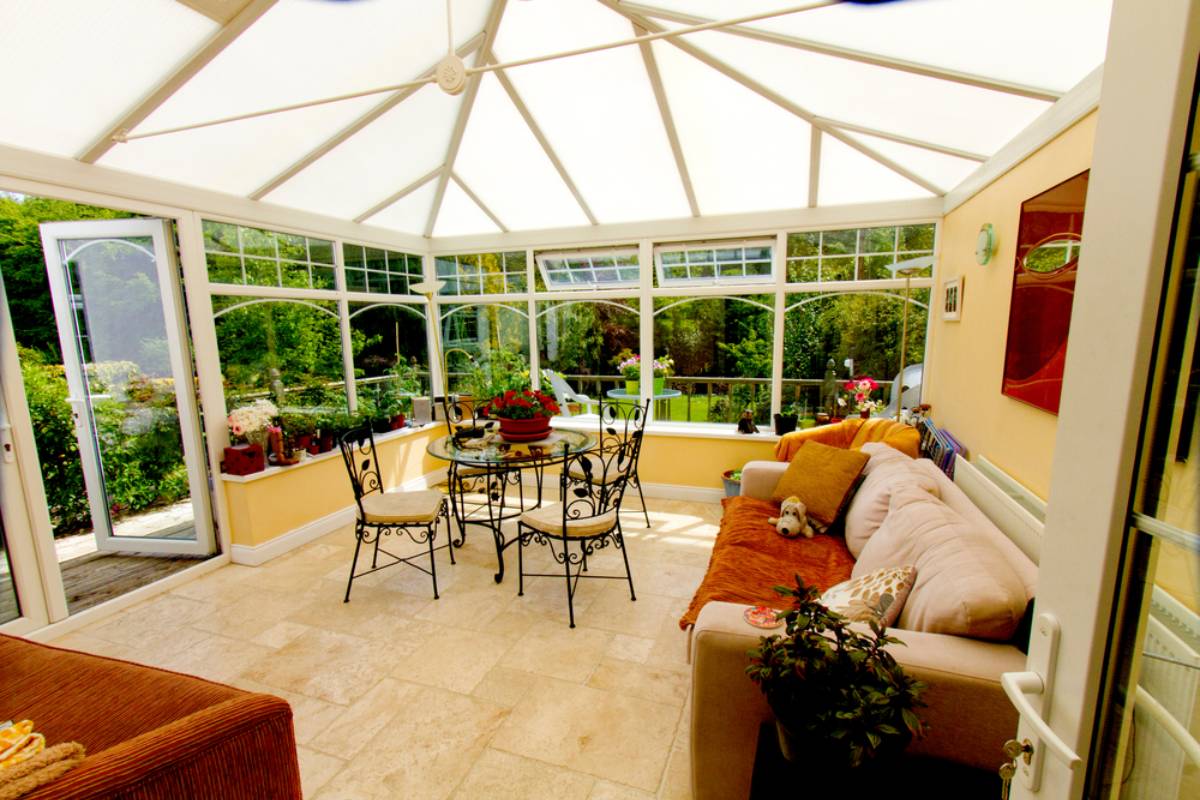
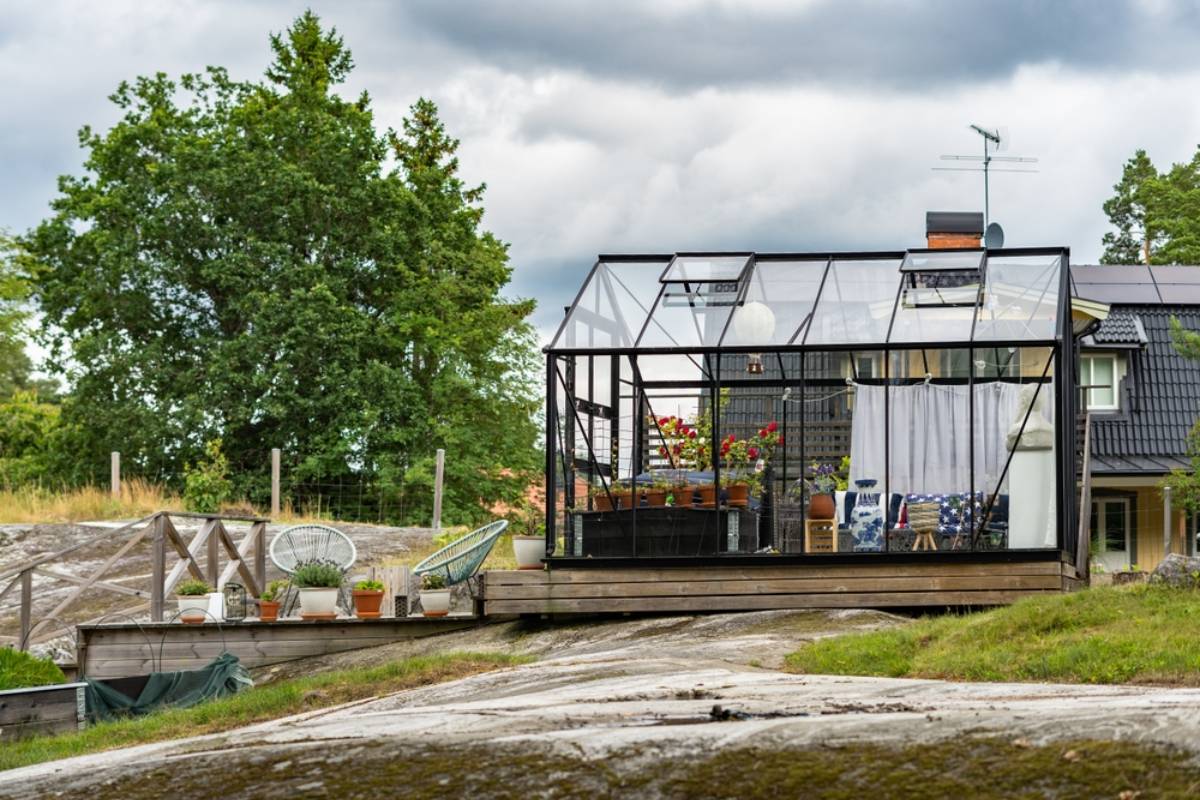
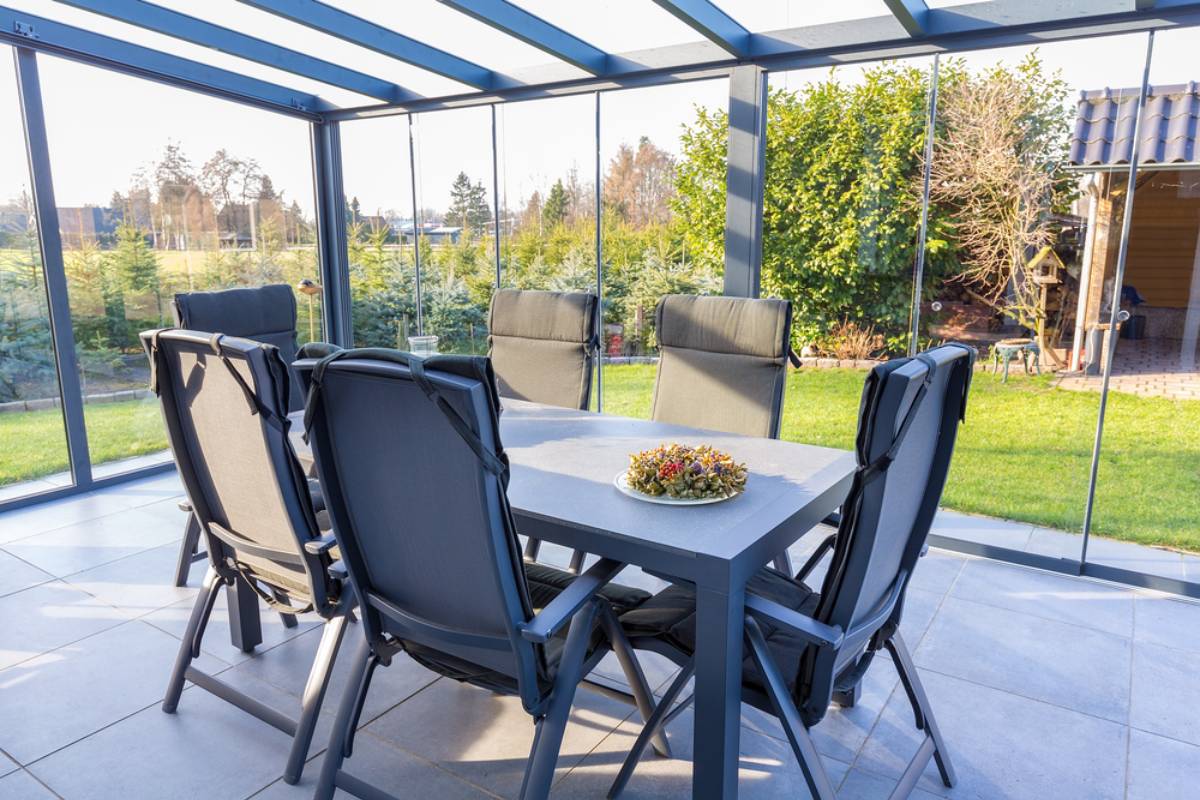
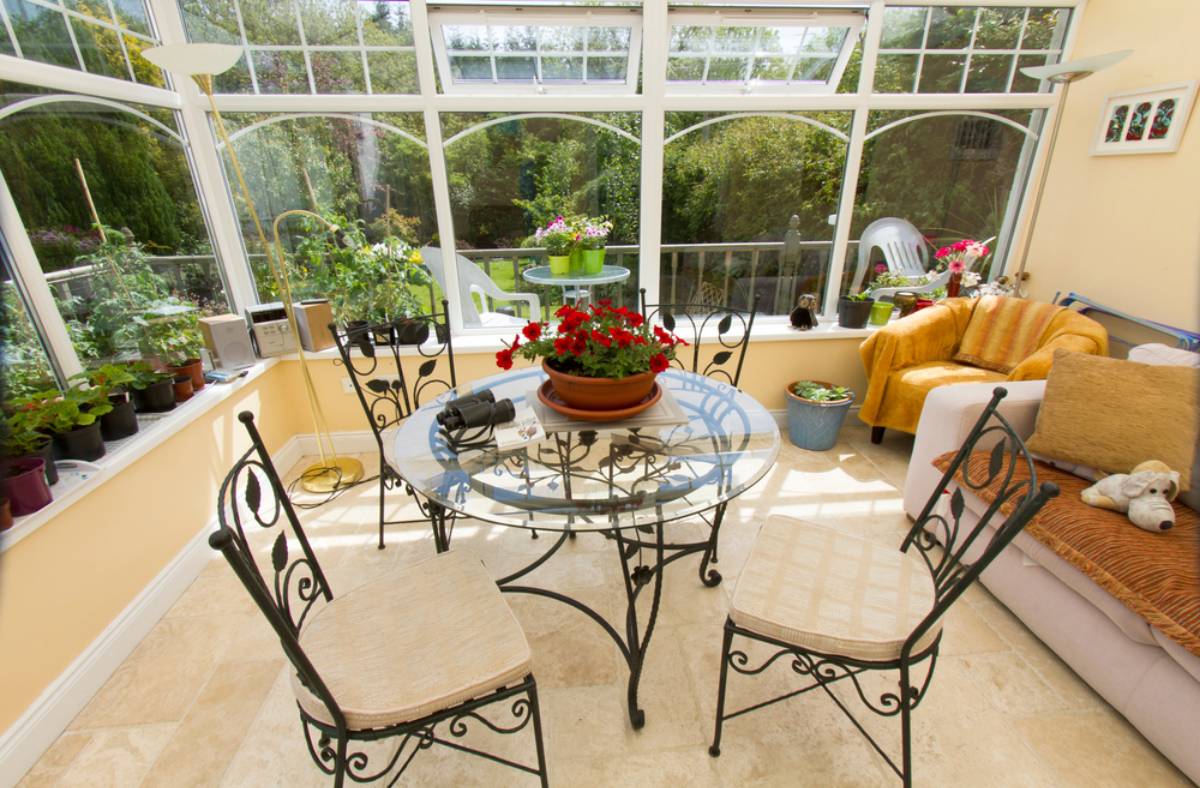
Ready to expand your home with a conservatory? Four Seasons Sunroom offers various styles, from traditional to contemporary, in East Hampton. Learn how a conservatory can transform your living space.
I had an exceptional experience with Four Seasons Sunrooms. They were customer satisfaction oriented and their prices were by far the most reasonable. They came out to assess my needs right away, and I had received great design advice and prompt appointments.
Daniel Ciano
They are professional and friendly people who took the time to explain how the steps leading up to the completion of the sunroom and kept up with communication along the way. I would highly recommend them to any of my friends and family!
Berta Portigiani
We love our new sunroom! Four Seasons worked with us to get all the necessary permits and town hearings to move forward. The workers were hard working and courteous, in very cold weather! We are enjoying our new beautiful living space.
Alexa Bauman
Their products are beautiful, plus there's so many sunroom styles to choose from. I'm really impressed by the impeccable work they've done. In addition, their staff members are super friendly!
Conservatories in East Hampton: Space and Style
Reasons to Choose Four Seasons Sunroom for a Conservatories in East Hampton
Add extra living space for family gatherings or relaxation.
Infuse your home with natural light, creating a bright atmosphere.
Increase your property’s value with a custom-designed conservatory.
Enjoy a versatile space that adapts to your changing needs.
Four Seasons Sunroom brings experience to every conservatory project in East Hampton. We focus on designs that match the architectural character of your home, using materials like durable glass and sturdy frames. Our approach prioritizes your vision, confirming the final product is both functional and aesthetically pleasing. Each project is handled with a focus on your needs.
A conservatory is more than an addition; it’s a space where memories are made. Four Seasons Sunroom helps you create a space that fits your lifestyle. Imagine a bright, airy space for morning coffee or a cozy spot for evening relaxation. Our team works to make your vision a reality. Get in touch to discuss your conservatory needs in East Hampton, NY, and let’s build your dream space together.
This area had been inhabited for thousands of years by wandering tribes of indigenous peoples. At the time of European contact, East Hampton was home to the Pequot people, part of the culture that also occupied territory on the northern side of Long Island Sound, in what is now Connecticut of southern New England. They belong to the large Algonquian-speaking language family. Bands on Long Island were identified by their geographic locations. The historical people known to the colonists as the Montaukett, who were Pequot, controlled most of the territory at the east end of Long Island.
Indians inhabiting the western part of Long Island were part of the Lenape nation, whose language is also in the Algonquian family. Their territory extended to lower New York, western Connecticut and the mid-Atlantic coastal areas into New Jersey and Pennsylvania. Their bands were also known by the names of their geographic locations but did not constitute distinct peoples.
In the late-17th century Chief Wyandanch of the Montaukett negotiated with English colonists for the land in the East Hampton area. The differing concepts held by the Montaukett and English about land and its use contributed to the Montaukett losing most of their lands over the ensuing centuries. Wyandanch’s elder brother, the grand sachem Poggaticut, sold an island to English colonist Lion Gardiner for “a large black dog, some powder and shot, and a few Dutch blankets.” The next trade involved the land extending from present-day Southampton to the foot of the bluffs, at what is now Hither Hills State Park, for 24 hatchets, 24 coats, 20 looking glasses and 100 muxes.