Summary:
Why Long Island Weather Demands Smart Patio Cover Solutions
Long Island weather doesn’t mess around. You’ve got brutal summer heat that makes your patio unusable by noon, sudden thunderstorms that send everyone scrambling inside, and winter conditions that pile snow on your outdoor furniture for months.
Most homeowners here know the frustration. You invest in a beautiful patio, then watch it sit empty because it’s either too hot, too wet, or too uncomfortable to use. That’s where a quality patio cover makes the difference.
The right cover extends your outdoor season by months. You can host that barbecue even when there’s a light drizzle. Your kids can play outside without you worrying about sunburn. And when winter hits, your outdoor furniture stays protected instead of getting buried under snow.
How Quality Patio Covers Handle Nassau and Suffolk County Weather Extremes
Long Island throws everything at your outdoor spaces. Summer temperatures that hit the 90s, humidity that makes it feel even worse, and sudden storms that can dump inches of rain in an hour. Then winter arrives with snow loads that can crush inadequate structures.
Quality patio covers built for this area are engineered differently. They’re designed to handle snow loads of 30-50 pounds per square foot, depending on whether you’re in Nassau or Suffolk County. The materials matter too – aluminum won’t rust from the coastal humidity, and proper drainage systems route water away from your foundation instead of letting it pool.
The smart homeowners here choose covers with adjustable features. Louvered systems let you control exactly how much sun or shade you want. When that afternoon storm rolls in, you can close the louvers completely. When you want to enjoy a beautiful fall day, you can open them up and still have overhead protection.
Temperature control becomes a real benefit too. Lighter colored covers reflect heat away from your space, which can drop the temperature by 15-20 degrees compared to sitting in direct sun. That means your patio stays comfortable even during those August heat waves, and you’ll notice the difference in your air conditioning costs during hot summer days.
Patio Cover Materials That Actually Survive New York Winters
You’ve probably seen plenty of patio covers that look great in the showroom but fall apart after one Long Island winter. The material you choose determines whether your investment lasts five years or fifty.
Aluminum stands out as the most practical choice for this climate. It won’t rust from the coastal air, doesn’t rot like wood, and handles temperature swings without cracking. Modern aluminum systems come with powder-coated finishes that resist fading and can withstand thousands of hours of salt spray testing.
Wood looks beautiful, but it demands constant maintenance here. You’re looking at sanding, staining, and sealing every few years. Plus, the humidity creates perfect conditions for rot and insect damage. If you love the wood look, consider aluminum systems with wood-grain finishes that give you the appearance without the headaches.
Vinyl offers a middle ground – it’s more affordable than premium aluminum and requires minimal maintenance. However, it can become brittle in extreme cold and may not handle heavy snow loads as well as metal alternatives.
The key is matching the material to your specific needs. If you want something that looks great with zero maintenance, aluminum wins. If budget is the main concern and you don’t mind some upkeep, vinyl works. Just avoid the temptation to go with the cheapest option if you want something that actually lasts through multiple Long Island seasons.
Custom Patio Cover Designs That Actually Complement Your Home
Your patio cover needs to work with your home’s architecture, not against it. Too many homeowners end up with covers that look like afterthoughts instead of integrated parts of their outdoor living space.
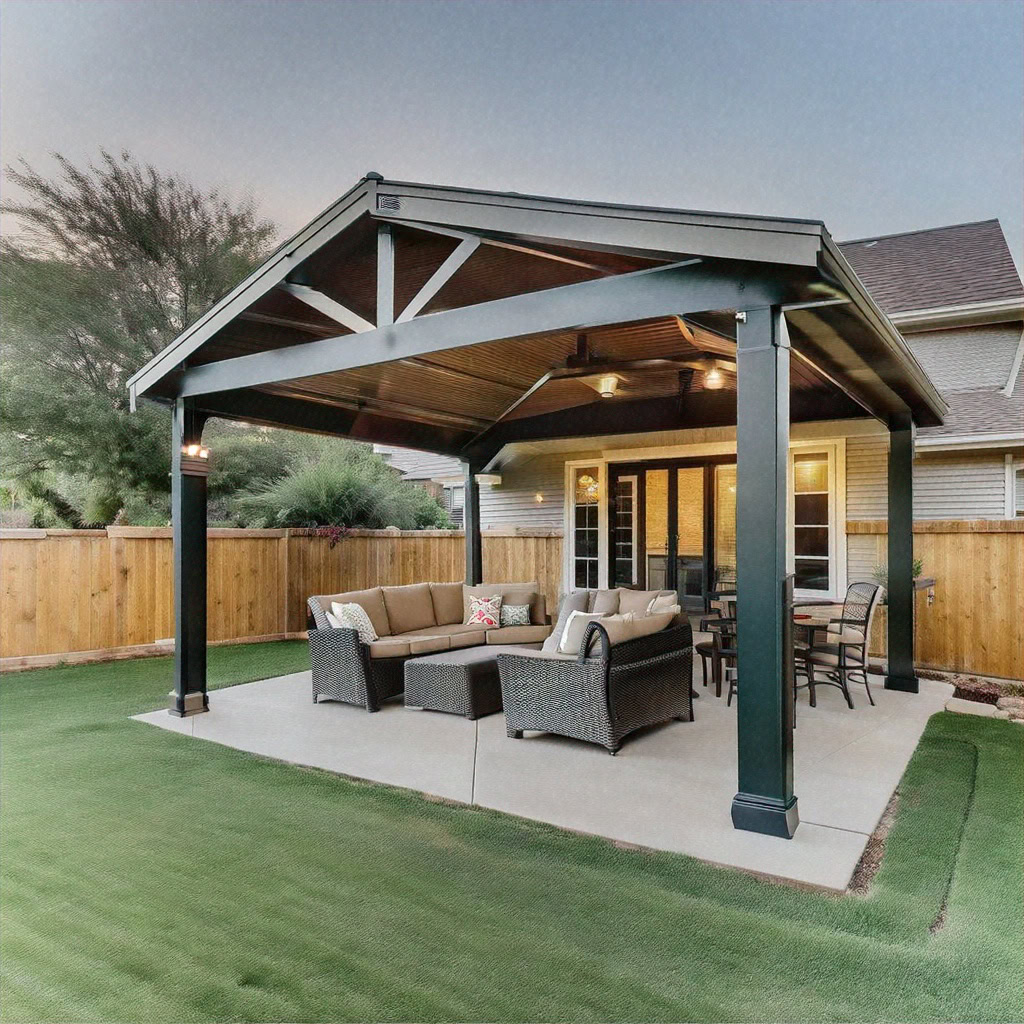
The style of your home dictates a lot of your options. Traditional colonial homes work well with pergola-style covers or lattice designs that complement the classic lines. Modern homes can handle sleeker aluminum systems with clean, geometric shapes.
Size matters more than most people realize. A cover that’s too small leaves you with inadequate protection, while one that’s too large can overwhelm your space and look disproportionate. The general rule is to extend beyond your seating area by at least three feet on all sides to ensure real protection from angled sun and rain.
Attached vs Freestanding Covers: What Works Best for Long Island Homes
You have two main approaches when adding a patio cover: attach it to your house or build it as a standalone structure. Each has advantages depending on your situation.
Integrated covers that attach to your home’s existing structure typically cost less and provide seamless protection. They use your house wall as one support point, which reduces the number of posts needed and creates a more connected feel between indoor and outdoor spaces. The challenge is ensuring proper flashing and waterproofing where the cover meets your house.
Freestanding systems give you more flexibility in placement and design. You can position them anywhere in your yard, create multiple covered areas, or build them away from the house if you want a separate entertainment zone. They require more structural support since they can’t lean on your house, but they also don’t risk any potential water issues at the attachment point.
For most Long Island homes, integrated systems make the most sense. They’re more cost-effective, provide better weather protection, and create that seamless indoor-outdoor flow that increases your home’s value. The key is working with installers who understand proper flashing techniques and local building codes.
Your lot layout also influences this decision. If your patio sits close to property lines, an integrated system might be your only option to stay within setback requirements. If you have a large yard, a freestanding structure might give you more design freedom.
Smart Patio Cover Features That Extend Your Outdoor Season
Modern patio covers go way beyond basic shade. The features you choose can turn a simple cover into a true outdoor room that you use twelve months a year.
Motorized louvered systems top the list for Long Island homeowners. With a remote control, you can adjust your coverage based on weather conditions, time of day, or how you’re using the space. Want full sun for a winter afternoon? Open the louvers completely. Need protection from a summer storm? Close them with the push of a button.
Integrated lighting extends your outdoor season into the evening hours. LED systems built into the cover structure provide ambient lighting without the need for separate fixtures or running extension cords. Some systems include dimming controls so you can adjust the mood for different occasions.
Drainage systems might not be glamorous, but they’re critical in our climate. Quality covers include gutters and downspouts that direct water away from your patio and foundation. This prevents pooling, reduces humidity under the cover, and protects your outdoor furniture.
Heating options turn your covered patio into a three-season space. Infrared heaters mounted in the cover structure can extend your outdoor entertaining well into fall and even mild winter days. Combined with wind protection, you can comfortably use your space when the temperature drops.
The key is thinking about how you actually want to use your outdoor space, then choosing features that support those activities. Don’t get caught up in every available option – focus on what will genuinely improve your outdoor living experience.
Getting Your Perfect Patio Cover Installation Right the First Time
Choosing a patio cover comes down to matching the right solution to your specific needs, budget, and home. You want something that handles our challenging weather, complements your home’s style, and gives you years of reliable use.
Start with your primary goals. Are you mainly looking for sun protection during summer entertaining? Do you want to extend your outdoor season into fall and spring? Or are you trying to create a true outdoor room that works year-round? Your answer shapes everything from material choices to feature selection.
Don’t forget about the installation process. Quality matters more than price when you’re dealing with structures that need to withstand Long Island weather. Look for contractors who understand local building codes, have experience with permits, and stand behind their work with solid warranties.
When you’re ready to move forward, we bring nearly five decades of experience to every project. We handle everything from design consultation to permit processing, ensuring your patio cover integrates seamlessly with your home and lifestyle.