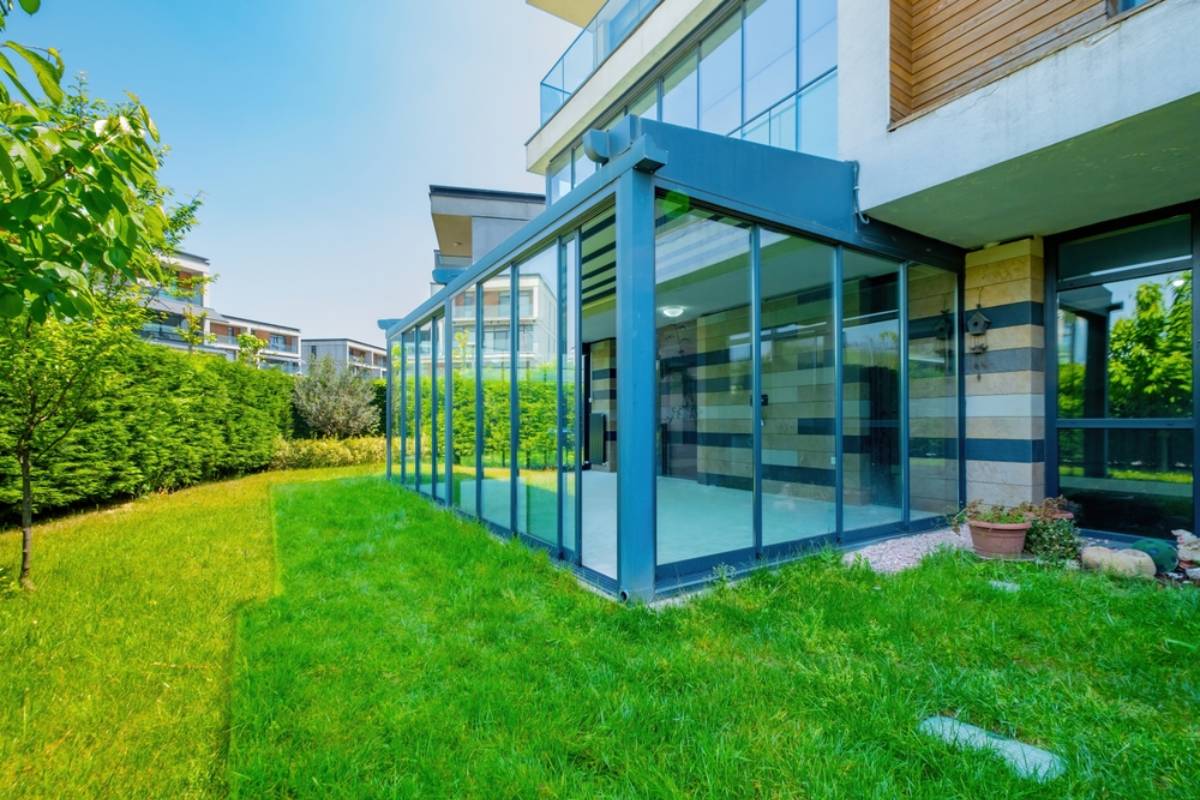
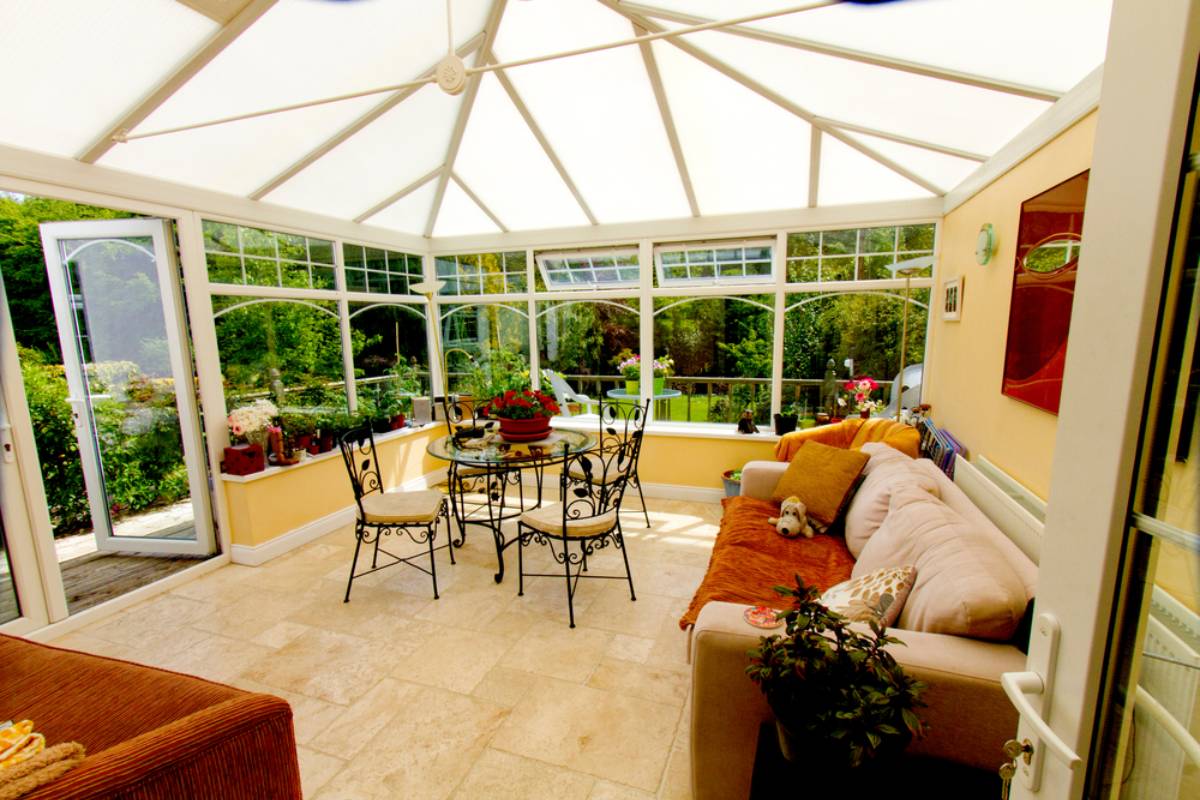
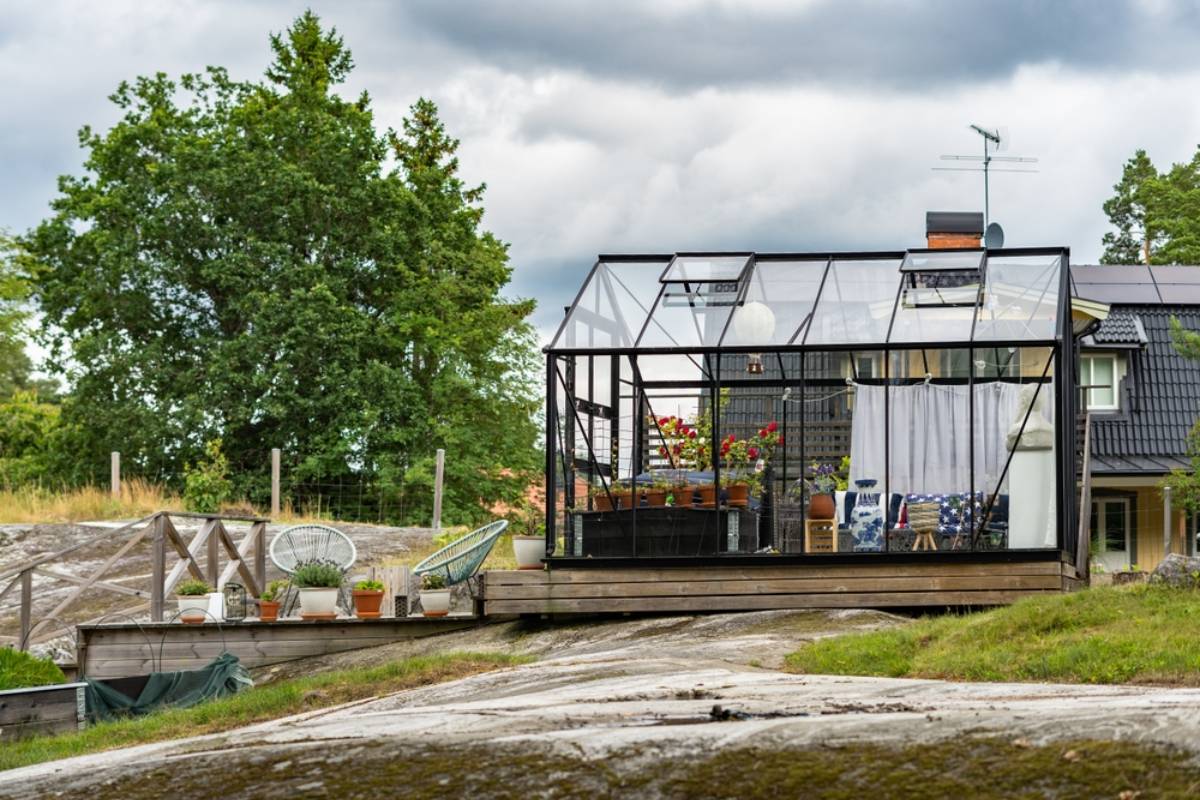
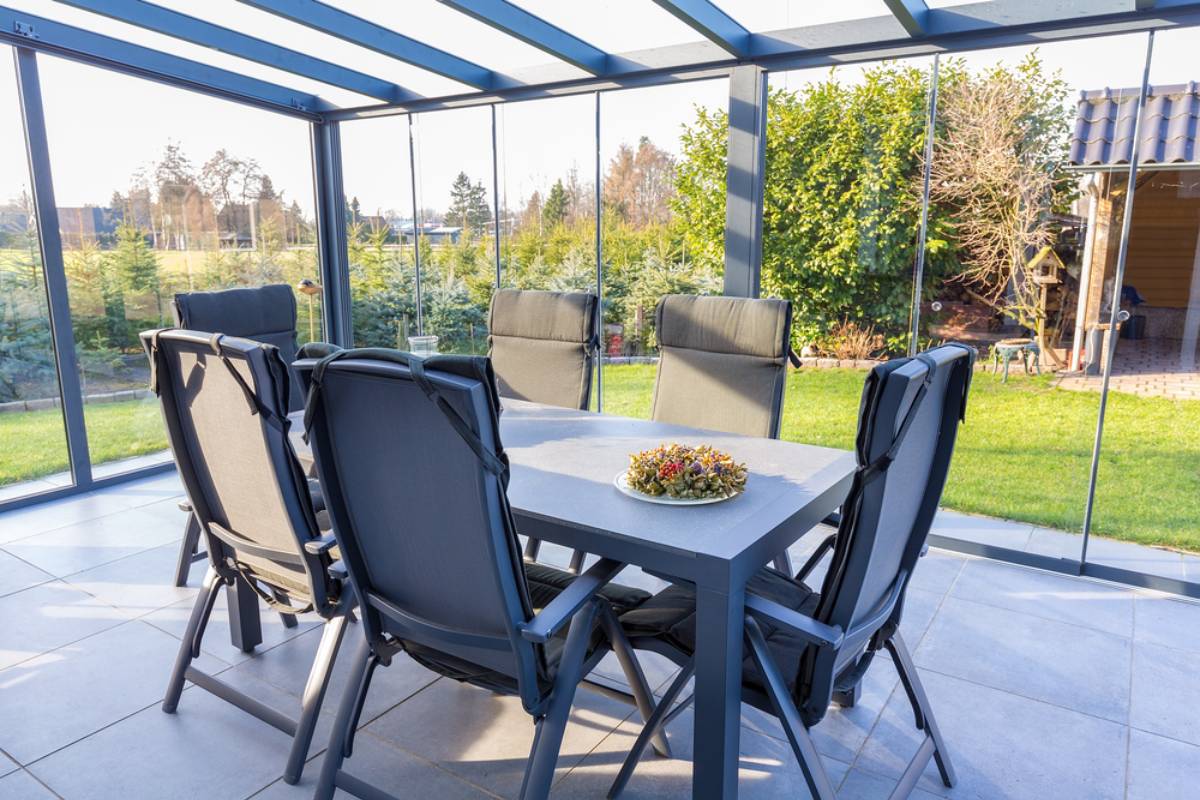
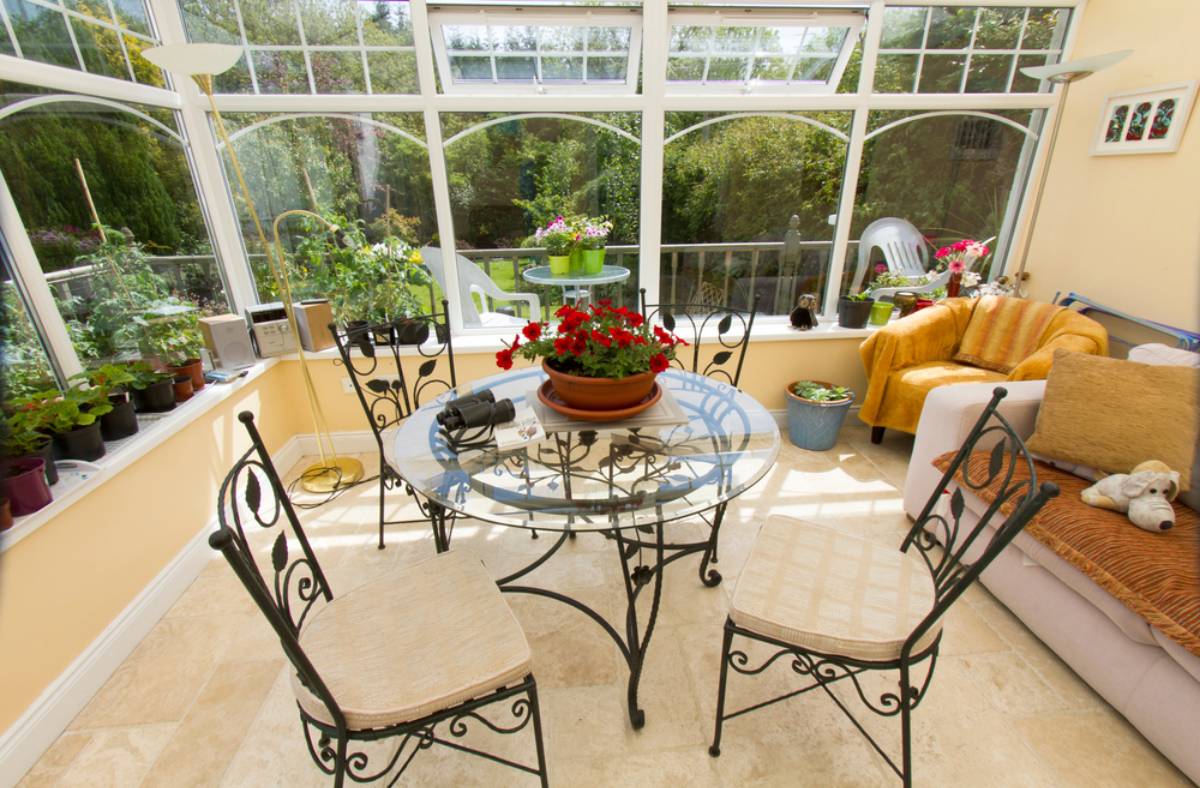
Ready to expand your home with a conservatory? Four Seasons Sunroom offers various styles, from traditional to contemporary, in Montauk. Learn how a conservatory can transform your living space.
I had an exceptional experience with Four Seasons Sunrooms. They were customer satisfaction oriented and their prices were by far the most reasonable. They came out to assess my needs right away, and I had received great design advice and prompt appointments.
Daniel Ciano
They are professional and friendly people who took the time to explain how the steps leading up to the completion of the sunroom and kept up with communication along the way. I would highly recommend them to any of my friends and family!
Berta Portigiani
We love our new sunroom! Four Seasons worked with us to get all the necessary permits and town hearings to move forward. The workers were hard working and courteous, in very cold weather! We are enjoying our new beautiful living space.
Alexa Bauman
Their products are beautiful, plus there's so many sunroom styles to choose from. I'm really impressed by the impeccable work they've done. In addition, their staff members are super friendly!
Conservatories in Montauk: Space and Style
Reasons to Choose Four Seasons Sunroom for a Conservatories in Montauk
Add extra living space for family gatherings or relaxation.
Infuse your home with natural light, creating a bright atmosphere.
Increase your property’s value with a custom-designed conservatory.
Enjoy a versatile space that adapts to your changing needs.
Four Seasons Sunroom brings experience to every conservatory project in Montauk. We focus on designs that match the architectural character of your home, using materials like durable glass and sturdy frames. Our approach prioritizes your vision, confirming the final product is both functional and aesthetically pleasing. Each project is handled with a focus on your needs.
A conservatory is more than an addition; it’s a space where memories are made. Four Seasons Sunroom helps you create a space that fits your lifestyle. Imagine a bright, airy space for morning coffee or a cozy spot for evening relaxation. Our team works to make your vision a reality. Get in touch to discuss your conservatory needs in Montauk, NY, and let’s build your dream space together.
Montauk derives its name from the Montaukett tribe, an Algonquian-speaking tribe who lived in the area. In 1614, Dutch explorer Adriaen Block encountered the tribe at Montauk Point, which he named Hoeck van de Visschers, or “Point of the Fishers”. Two decades later, in 1637, the Montauketts sided for their own protection with the New England settlers in the Pequot War in Connecticut. In the aftermath the Montauketts were to sell Gardiners Island. In 1648 what would become the Town of Easthampton (first Maidstone) was sold to settlers by the colony of Connecticut and the colony of New Haven while retaining the lands to the east, from the hills rising above where the first fort stood (Napeague, New York) to Montauk Point. The western boundary of today’s Hither Hills State Park is also known as the 1648 purchase line.
In 1653, the Narragansett-Montaukett War started. Narragansetts under Ninigret attacked and burned the Montaukett village, killing 30 and capturing one of Chief Wyandanch’s daughters. The daughter was recovered with the aid of Lion Gardiner (who in turn was given a large portion of Smithtown, New York in appreciation). The Montauketts, ravaged by smallpox and fearing extermination by the Narragansetts, were provided temporary refuge by white settlers in East Hampton. Many short but famous battles ensued. The skirmishes ended in 1657. Fort Pond Bay derives its name from a Montaukett “fort” on its shore. A deed was issued in 1661 titled “Ye deed of Guift” which granted all of the lands east of Fort Pond to be for the common use of both the indigenous people and the townsmen.
Further purchase agreements were entered into in 1661, 1672 and 1686 which, among other things, allowed a group of Easthampton townsmen to graze cattle on the Montaukett lands. While some lands were protected in the agreements as forest land, for the most part, all of Montauk was maintained by the townsmen as a private livestock and fisheries operation. As a result of Montauk being operated as a livestock operation, it is considered to be the oldest cattle ranch in the United States.