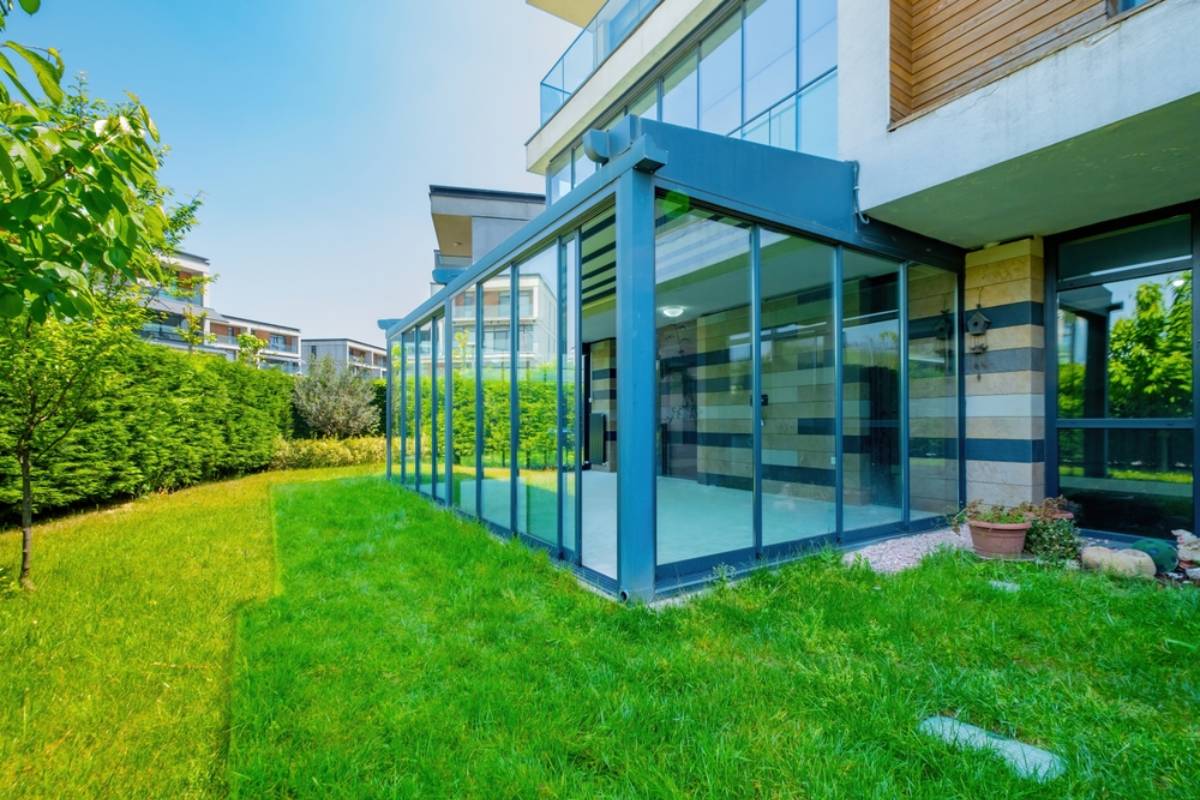
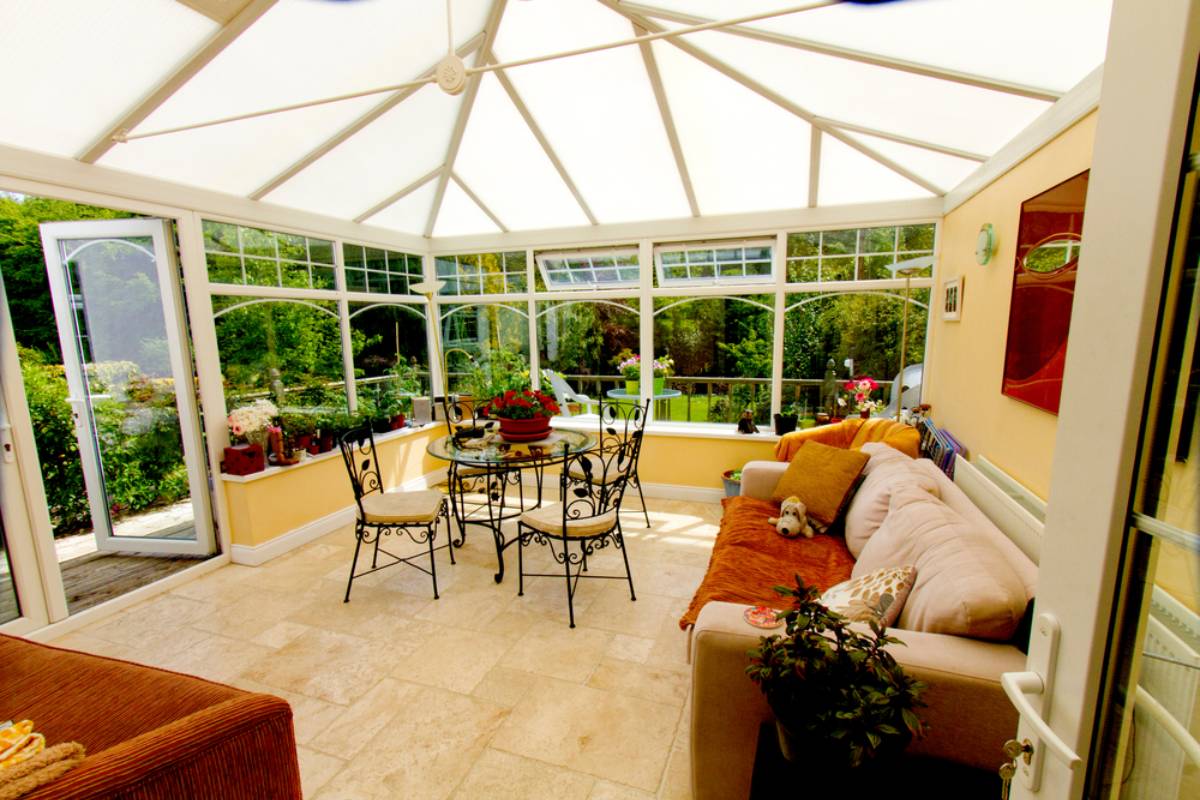
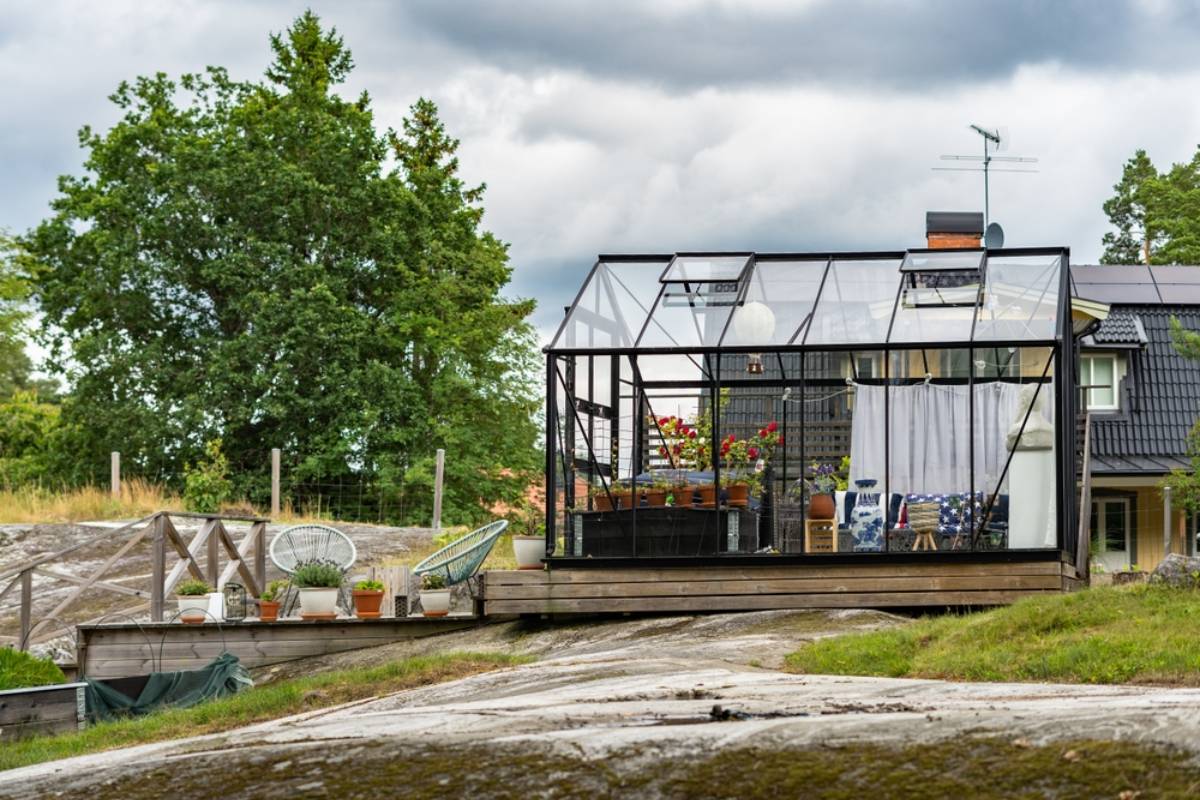
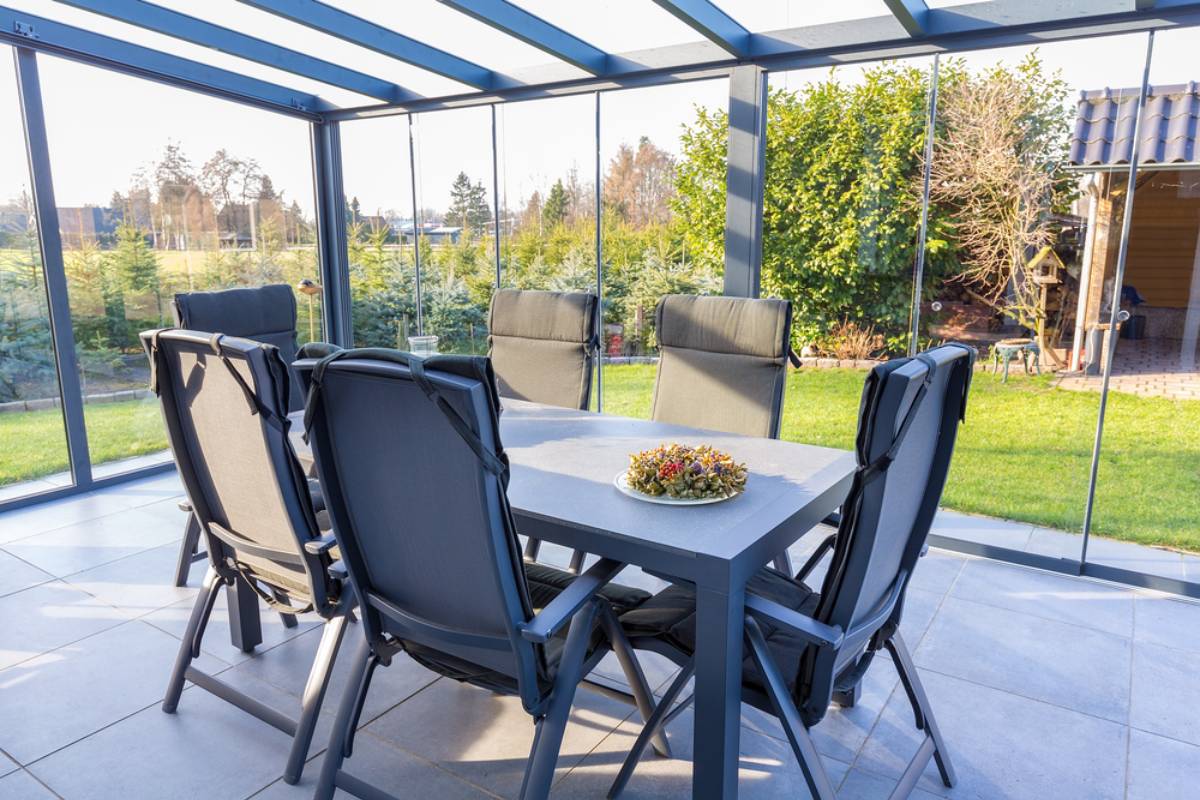
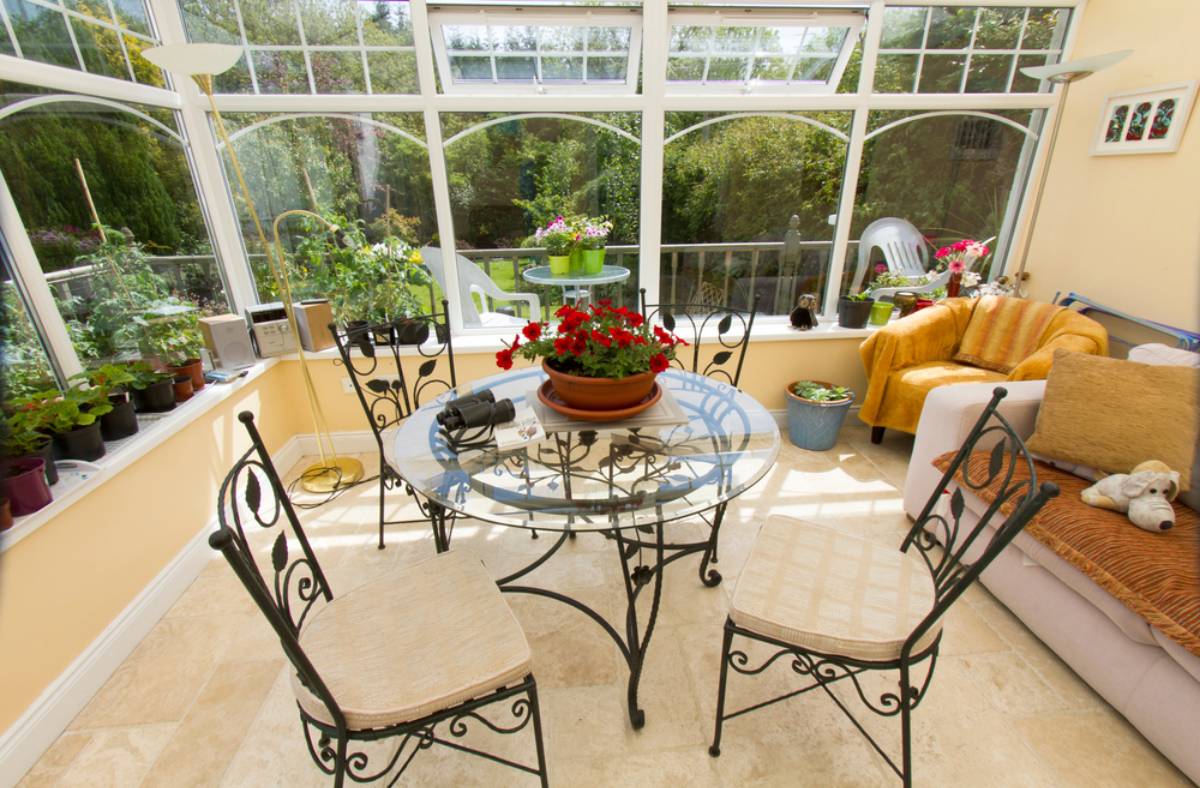
Looking to expand your living space? Conservatories in Islip, NY provide a bright, versatile addition. Four Seasons Sunroom offers designs that complement any home. If you want more natural light and a connection to the outdoors, consider a conservatory.
I had an exceptional experience with Four Seasons Sunrooms. They were customer satisfaction oriented and their prices were by far the most reasonable. They came out to assess my needs right away, and I had received great design advice and prompt appointments.
Daniel Ciano
They are professional and friendly people who took the time to explain how the steps leading up to the completion of the sunroom and kept up with communication along the way. I would highly recommend them to any of my friends and family!
Berta Portigiani
We love our new sunroom! Four Seasons worked with us to get all the necessary permits and town hearings to move forward. The workers were hard working and courteous, in very cold weather! We are enjoying our new beautiful living space.
Alexa Bauman
Their products are beautiful, plus there's so many sunroom styles to choose from. I'm really impressed by the impeccable work they've done. In addition, their staff members are super friendly!
Suffolk County Conservatories in Islip
Reasons to Choose Four Seasons Sunroom for a Conservatories in Islip
More natural light fills your home, creating a cheerful atmosphere.
Adaptable spaces allow you to use the conservatory for various purposes.
The value of your property can increase with a well-constructed addition.
Modern materials and techniques help maintain comfortable temperatures year-round.
Four Seasons Sunroom builds custom conservatories in Islip, NY. We use strong materials like tempered glass and durable aluminum frames. These choices withstand the elements and provide lasting beauty. Our approach focuses on understanding your needs. We work to create spaces that reflect your lifestyle. Materials like composite and high-grade sealants are chosen for their resilience in NY’s varying weather.
Four Seasons Sunroom in Suffolk County: The Right Choice
A conservatory provides a special space to enjoy the outdoors from inside. Four Seasons Sunroom provides conservatories that match your home’s style and meet your needs in NY. Imagine enjoying a morning coffee surrounded by sunlight or hosting gatherings in a beautiful, light-filled space. Consider the long-term enjoyment and property value a conservatory adds. Contact Four Seasons Sunroom in Islip to explore options for your home today.
Matthias Nicoll relocated to New York from Islip, Northamptonshire, England, in 1664.
His son, William Nicoll, became a royal patentee of the east end of what is now the Town of Islip, and his domain reached from East Islip to Bayport and included Sayville, West Sayville, Oakdale, Great River, Islip Terrace, Central Islip, Hauppauge, Holbrook, Bohemia, Brentwood, Holtsville and a portion of Ronkonkoma. All of this land was bought from Winne-quaheagh, Sachem (chief) of Connetquot in 1683. The yearly fee paid to Governor Thomas Dongan of New York was five bushels of quality winter wheat or 25 shillings. Other early land patentees were Andrew Gibb (Islip Hamlet), John Mowbray (Bay Shore, originally Awixa), Stephan Van Cortlandt (Sagtikos Manor), and Thomas Willets (West Islip).
By 1710, the colonial government passed an act to enable the precinct of Islip in the County of Suffolk to elect two assessors, a collector, a constable and a supervisor. The people had a voice. Growth, however, remained at a standstill until the Revolutionary War ended when, in the 17 years that followed, there was more progress than in the 50 years preceding. This activity was partly due to the impact of American shipping.
By 1825, it was necessary to install a Fire Island light across the Great South Bay and regular ferry service between Bay Shore and Fire Island began in 1862. In 1867[?] the Long Island Rail Road came to Islip and the first depot was built. People were discovering Islip and the tourist trade soon took hold.